 5 Ide Oleh-Oleh dari Jakarta yang Bisa Jadi Buah Tangan
  Case Valker Luggage Gains Momentum Among Malaysian Travelers with Durable, TSA-Approved Designs
  Carziqo Launches ER-BX Autonomous Ride-Hailing Operations in San Francisco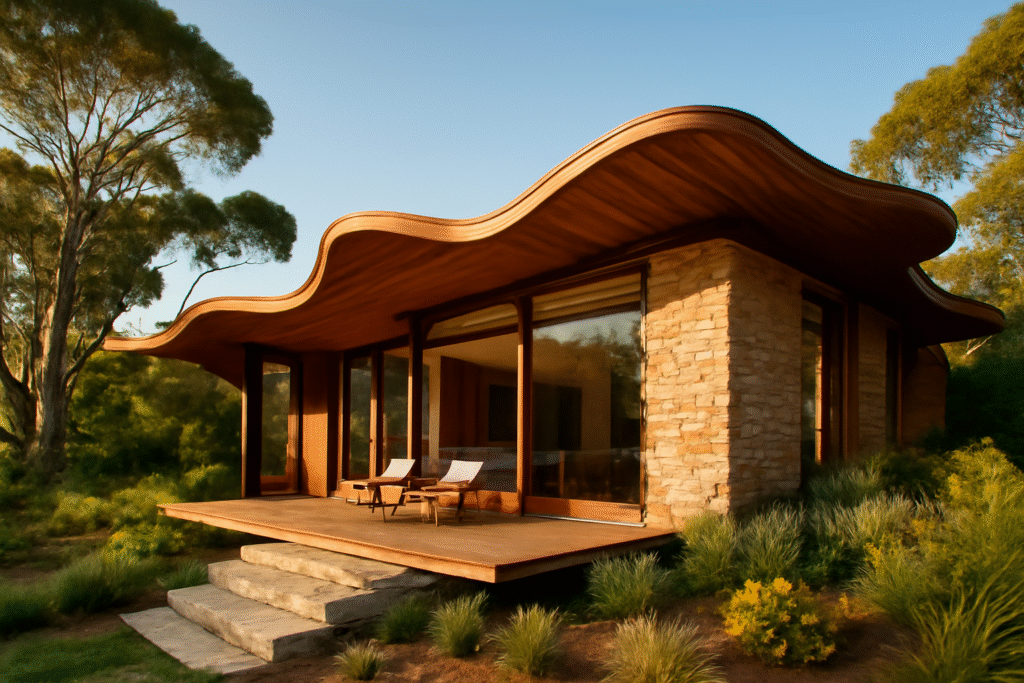
In the world of architecture, Australia is often celebrated for its ability to merge contemporary design with a deep appreciation for the environment. This approach reflects the country’s cultural identity and commitment to sustainability, with architects striving to create buildings that not only respond to the natural surroundings but also reduce their impact on the environment. The integration of nature and modern design is a defining characteristic of Australian architecture.
A key feature of Australian architecture is the use of natural materials, such as timber, stone, and glass. These materials are carefully chosen for their environmental benefits and their ability to blend seamlessly with the landscape. Timber is often used in both structural and decorative elements, providing warmth and texture while also being a sustainable resource. Stone is incorporated for its durability and connection to the earth, while glass allows for maximum natural light and offers unobstructed views of the surrounding landscape.
Modern Australian architects are also highly focused on energy efficiency. By incorporating passive design principles, they ensure that buildings are naturally heated, cooled, and ventilated. These designs make use of the natural climate to maintain comfortable indoor temperatures without relying heavily on energy-consuming systems like air conditioning or heating. Proper building orientation, the use of thermal mass materials, and well-designed shading devices all contribute to the overall energy efficiency of the structure.
Another important aspect of Australian homes is the emphasis on outdoor living. The country’s temperate climate and laid-back lifestyle have contributed to the popularity of outdoor spaces, such as verandas, patios, and courtyards. These spaces are often treated as extensions of the interior, offering places to relax, entertain, or enjoy the natural beauty that surrounds the home. By creating strong connections between the indoors and outdoors, these designs celebrate Australia’s outdoor lifestyle and make it an essential part of daily life.
Sustainability in Australian architecture is not just about energy efficiency but also the use of eco-friendly technologies and materials. Many buildings now feature solar panels, rainwater collection systems, and green roofs. These elements help reduce a home’s carbon footprint, conserve natural resources, and enhance the overall environmental performance of the building. Australian cities like Sydney and Melbourne have become leaders in incorporating green building technologies into new developments, setting an example for other parts of the world to follow.
Indigenous Australian culture has also played a significant role in shaping modern architecture. Many architects incorporate Aboriginal art, motifs, and design principles into their work, helping to create structures that reflect the country’s rich cultural heritage. By honoring the connection between the land and its original inhabitants, these designs add an important cultural dimension to the built environment.
In coastal areas, the integration of nature and design is particularly evident. Coastal homes are designed to offer breathtaking views of the ocean while maintaining a strong connection to the surrounding landscape. These homes typically feature open, airy floor plans, large windows, and natural materials that allow the beauty of the coastline to become part of the living space. Sustainability is also a key consideration in coastal architecture, with materials and design features that can withstand the challenges of coastal living, such as salt corrosion and harsh weather conditions.
Modern Australian architecture exemplifies a harmonious blend of cutting-edge design and respect for nature. By embracing sustainable practices, incorporating natural materials, and creating homes that connect with the environment, architects in Australia have crafted a unique architectural identity that continues to evolve and inspire.
You may also like
-
The Missing Breastfeeding Conversation: What Happens Six Months After Discharge?
-
The finishing touches on George Street’s transformation
-
Momcozy and Midwife Bianca Burge Call for Breastfeeding Support Built Around Real Life
-
UNSW Sydney launches first Enterprise Data Strategy
-
K-BEAUTY IS LANDING AT COLES AS SUPERMARKET SKINCARE GETS A GLOW-UP