 Perkuat Keandalan Jalan Tol, PT Jasamarga Tollroad Maintenance Laksanakan Rekonstruksi Perkerasan di Ruas Tol Jagorawi
  Mengelola Uang Makan Harian agar Keuangan Tetap Teratur
  Bitcoin Bangkit Lagi! BTC Tembus US$81.000, Level Ini Jadi Penentu Berikutnya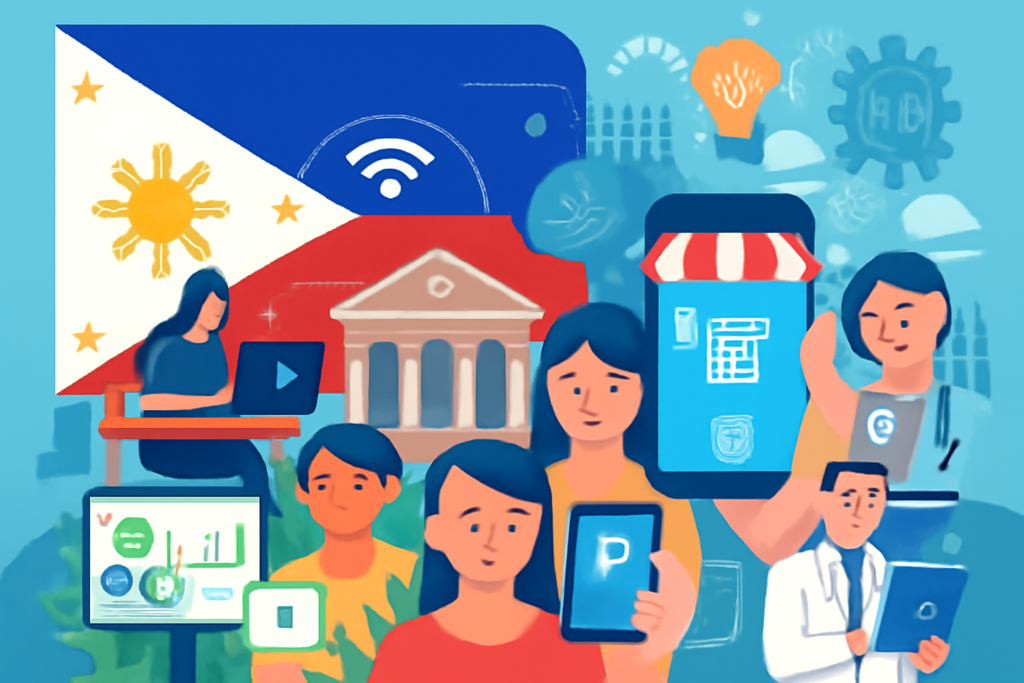
In the Philippines, technology and innovation are transforming the nation’s landscape, with far-reaching effects on its economy, society, and culture. As the country continues to embrace digitalization, technology is reshaping sectors such as education, healthcare, finance, and government services. The digital revolution is making its mark in the Philippines, offering new opportunities for growth, efficiency, and inclusivity.
The Philippine government has recognized the importance of building robust digital infrastructure to enable the country to thrive in a digital-first world. Through initiatives such as the National Broadband Plan (NBP), the government aims to increase the country’s internet connectivity and ensure that both rural and urban populations have access to high-speed internet. This connectivity is essential for businesses to thrive, for students to engage in online learning, and for citizens to access essential services remotely.
In the education sector, the shift to digital platforms has been accelerated by the pandemic. The Department of Education and the Commission on Higher Education have been promoting digital education to ensure continuity in learning during times of crisis. Schools have incorporated online learning tools, video conferencing, and virtual classrooms to ensure students’ academic progress. These changes have made education more flexible, allowing for a wider reach even in remote areas.
Healthcare is another sector where technology is making a profound impact. With the rise of telemedicine, Filipinos can now access healthcare services from the comfort of their homes. Online consultations with doctors, digital health monitoring, and virtual diagnostics have made healthcare more accessible to people living in remote regions where traditional healthcare facilities may be scarce. Additionally, health apps and wearable devices are allowing individuals to track their health and maintain better well-being.
The Philippines’ e-commerce industry has also benefited from the rise of technology. Online shopping has gained immense popularity, with platforms such as Shopee, Lazada, and Zalora offering a vast selection of products. Digital payment platforms, like GCash and PayMaya, have made transactions smoother and safer, driving the growth of the cashless economy. Small businesses have embraced e-commerce, allowing them to access broader markets, both locally and internationally.
In the financial sector, fintech companies are providing innovative solutions to financial inclusion. Many Filipinos do not have access to traditional banking services, but fintech companies are offering digital wallets, online lending, and payment solutions that cater to this unbanked population. These services help empower individuals by providing them with access to essential financial tools that can improve their economic stability.
The startup ecosystem in the Philippines is also flourishing, with new ventures emerging across various industries. Fintech, health tech, agritech, and edtech startups are addressing key challenges in the country and creating tailored solutions to meet the specific needs of the Filipino market. These innovations are helping to drive economic growth and positioning the Philippines as an emerging hub for technology and innovation in Southeast Asia.
Despite the progress, challenges such as limited digital literacy, cyber threats, and the need for more equitable access to technology persist. However, the Philippine government is addressing these issues through initiatives that promote digital literacy, improve internet infrastructure, and ensure cybersecurity. These efforts are vital to creating a more inclusive and secure digital environment for all Filipinos.
With continued investment and collaboration between the public and private sectors, the Philippines is poised to become a leader in digital innovation, paving the way for a more connected, efficient, and inclusive society.
You may also like
-
Carziqo Launches ER-BX Autonomous Ride-Hailing Operations in San Francisco
-
Trans-Asiatic Trading Expands Distribution of Gerflor Streamo Marine Vinyl Flooring to Key Philippine Shipyards
-
‘Dragon King’ scores ₱122.4-M win in Casino Plus, says historic jackpot ‘felt like a dream’
-
VRITIMES Covers LogiSYM Philippines 2026, Alongside Transport & Logistics Philippines 2026
-
TPSW 2026 Photo Contest Invites Photographers to Spotlight Volunteerism Across Asia