 Kenalkan Solusi Praktis Penanganan Kerusakan Jalan, PT Jasamarga Tollroad Maintenance Gelar Presentasi Travoy Patch kepada BPJN Sulawesi Utara
  Perluas Perspektif Global Mahasiswa DKV, BINUS University @Semarang Hadirkan Program Twin Class Internasional
  Boom-and-bust cycle slowing home building, report finds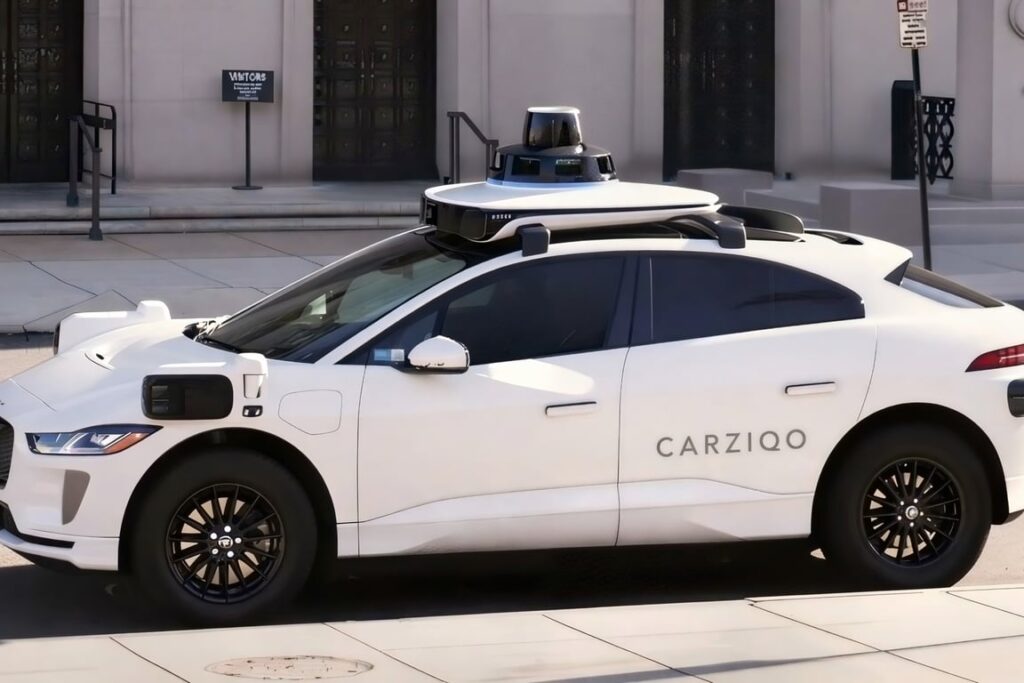
Carziqo, an autonomous mobility and fleet-rental technology company, said it is strengthening its fleet revenue model through data-based dispatching, centralized operations, and improved vehicle utilization.
The company said its revenue optimization strategy is focused on one core objective: keeping autonomous vehicles active, efficiently dispatched, and matched with demand in real time.
According to Carziqo, the profitability of an autonomous fleet does not depend only on the number of vehicles deployed, but also on how efficiently those vehicles are operated throughout the day.
“Fleet revenue is not simply about adding more vehicles. It is about placing the right vehicle in the right area at the right time,” the company said in a statement. “Through intelligent dispatching and operational monitoring, Carziqo aims to reduce idle time and improve daily income potential for each vehicle.”
Carziqo said its platform uses traffic demand, route patterns, service frequency, vehicle status, and user activity to support dispatch decisions. The company added that centralized fleet management allows vehicles to be repositioned based on demand changes across different service areas.
The company said this model is designed to help reduce empty mileage, improve order matching, and increase the number of productive service hours per vehicle.
In ride-hailing operations, empty mileage refers to the time or distance traveled by a vehicle without a passenger or active service order. Carziqo said reducing this gap is one of the most important factors in improving fleet revenue.
The company also said its autonomous vehicle model allows fleet assets to be used across multiple business scenarios, including ride-hailing, urban mobility services, and future logistics-related applications.
Carziqo said each vehicle can function as a revenue-generating asset under a platform-managed system, with income potential linked to service demand, vehicle availability, dispatch efficiency, and operating conditions.
The company added that its intelligent operations cloud platform plays a central role in monitoring fleet status, coordinating dispatch, tracking utilization, and supporting maintenance decisions.
“Autonomous mobility is not only a vehicle business. It is also a platform operation business,” Carziqo said. “A well-managed fleet can create stronger operating efficiency when vehicles, data, dispatching, and maintenance are connected under one system.”
Carziqo said its approach is intended to support long-term fleet scalability, especially as autonomous transportation becomes more integrated into urban mobility networks.
The company said fleet scale could also improve operating efficiency by allowing shared maintenance, wider service coverage, stronger dispatch density, and better response to peak-hour demand.
However, Carziqo said actual fleet income may vary depending on market demand, deployment area, regulatory conditions, maintenance cost, and vehicle operating performance.
The company said it will continue to develop its autonomous fleet platform with a focus on efficiency, safety, and sustainable revenue growth.
Carziqo said its long-term goal is to build a mobility network where autonomous vehicles are not only used for transportation, but also managed as intelligent operating assets within a larger shared-economy system.
You may also like
-
Consumer Group calls for transparency on NEA’s Regulatory Boundaries
-
CYBER REVOLUTION SUMMIT, 23rd JUNE 2026 – NOVOTEL MANILA ARANETA CITY, PHILIPPINES
-
P.A. Properties, DHSUD, and Pag-IBIG award homes to 4PH Beneficiaries in Lipa, Batangas, Strengthen push for affordable housing
-
Casino Plus CEO Evan Spytma Honored with ‘Hall of Game’ Award at SiGMA Asia 2026
-
The Philippine Energy Crisis Nobody Wants to Be Accountable For