 5 Ide Oleh-Oleh dari Jakarta yang Bisa Jadi Buah Tangan
  Case Valker Luggage Gains Momentum Among Malaysian Travelers with Durable, TSA-Approved Designs
  Carziqo Launches ER-BX Autonomous Ride-Hailing Operations in San Francisco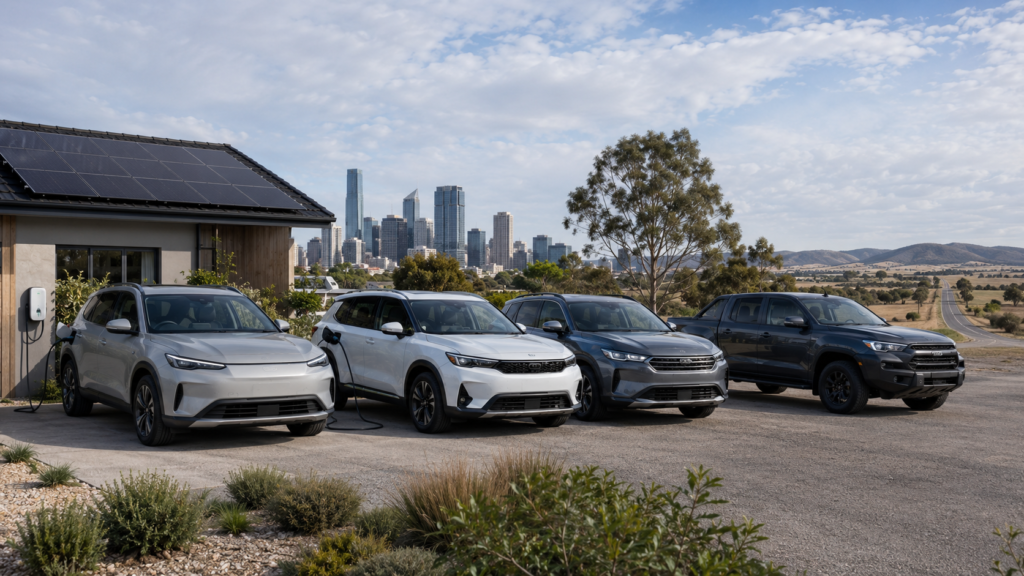
Australia’s automotive industry is experiencing a fundamental transformation driven by technological innovation, environmental policies and changing consumer expectations. Once recognised primarily for large-scale vehicle manufacturing, Australia is now developing a new automotive identity focused on electric mobility, connected vehicles, renewable energy integration and advanced transport solutions.
The industry’s future is no longer measured only by the number of vehicles produced locally. Instead, success is increasingly determined by how effectively Australia can adopt emerging technologies and create a smarter, cleaner and more efficient transportation ecosystem.
The Shift From Traditional Cars to Intelligent Mobility
For decades, Australia’s automotive market was dominated by conventional internal combustion engine vehicles, particularly large sedans, SUVs and utility vehicles. However, global automotive trends have pushed manufacturers and policymakers to rethink the future of transportation.
Modern vehicles are becoming sophisticated digital platforms equipped with advanced driver assistance systems, cloud connectivity, artificial intelligence and real-time data processing.
Features such as adaptive cruise control, automated emergency braking, lane-keeping technology and intelligent navigation are becoming increasingly common in new vehicles sold in Australia.
This transition reflects a broader global movement where vehicles are evolving from simple transportation machines into connected devices capable of communicating with drivers, infrastructure and energy networks.
Renewable Energy Creates New Opportunities for Electric Mobility
One of Australia’s biggest advantages in the electric vehicle transition is its renewable energy potential. The country has one of the world’s highest rates of rooftop solar adoption, creating opportunities for households to combine electric vehicles with clean energy generation.
Electric vehicle owners with solar panels can potentially reduce charging costs by using self-generated electricity during the day or through home energy management systems.
The Australian Renewable Energy Agency (ARENA) supports projects that accelerate clean transport solutions, including electric vehicle charging infrastructure and renewable-powered transport initiatives.
More information is available through ARENA’s official transport programs:
https://arena.gov.au/what-we-do/transport/
The integration between renewable energy and electric vehicles could eventually transform cars into mobile energy storage systems. Through vehicle-to-grid technology, electric vehicles may supply electricity back to homes or the wider power network during periods of high demand.
Software Development Becomes a New Automotive Competition
The automotive industry is increasingly becoming a software-driven sector. Companies are competing not only through engine performance or vehicle design but also through digital capabilities.
Electric vehicle manufacturers have demonstrated the importance of software updates, allowing vehicles to receive improvements remotely without requiring traditional mechanical upgrades.
Australian consumers are becoming more familiar with digital vehicle features, including smartphone connectivity, online services and advanced infotainment systems.
This creates opportunities for local technology companies specialising in artificial intelligence, cybersecurity, battery management software and vehicle data analytics.
Cybersecurity Becomes a Critical Challenge
As vehicles become more connected, cybersecurity becomes a major concern. A modern vehicle contains numerous electronic systems that communicate internally and externally.
Protecting these systems against cyber threats requires cooperation between automotive companies, technology providers and government regulators.
Australia’s future automotive workforce will therefore require expertise beyond traditional mechanical engineering. Skills in software development, electrical engineering and data science will become increasingly important.
The Role of Government and Industry Collaboration
The transformation of Australia’s automotive sector depends on cooperation between government agencies, manufacturers, energy companies and research institutions.
Policies supporting emissions reduction, charging infrastructure development and technology investment provide the foundation for industry growth.
However, successful transformation requires practical solutions that match Australian conditions. The country’s vast geography, regional communities and preference for SUVs and utes mean imported strategies cannot always be applied directly.
Australia’s automotive future will likely combine global technology with local innovation. Electric vehicles, smart infrastructure and renewable energy systems will work together to create a transportation network designed for Australian lifestyles.
The industry is moving away from traditional manufacturing toward a broader ecosystem where vehicles, software and energy systems operate together. This evolution represents a significant opportunity for Australia to redefine its position in the global automotive landscape.
You may also like
-
The Missing Breastfeeding Conversation: What Happens Six Months After Discharge?
-
The finishing touches on George Street’s transformation
-
Momcozy and Midwife Bianca Burge Call for Breastfeeding Support Built Around Real Life
-
UNSW Sydney launches first Enterprise Data Strategy
-
K-BEAUTY IS LANDING AT COLES AS SUPERMARKET SKINCARE GETS A GLOW-UP