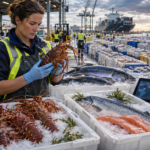
 The Algal Bloom That Forced Australia to Close a Fishery: Inside the 2026 South Australia Direction
 PMG Healthcare Appoints Dato’ Jalaluddin Hassan As Official Ambassador For Integrated Primary Healthcare, Strengthening Its Commitment To Accessible Healthcare For All
 BP Tapera Dorong Transformasi Pengelolaan Dana Perumahan dalam Pembahasan RUU Perumahan dan Kawasan Permukiman
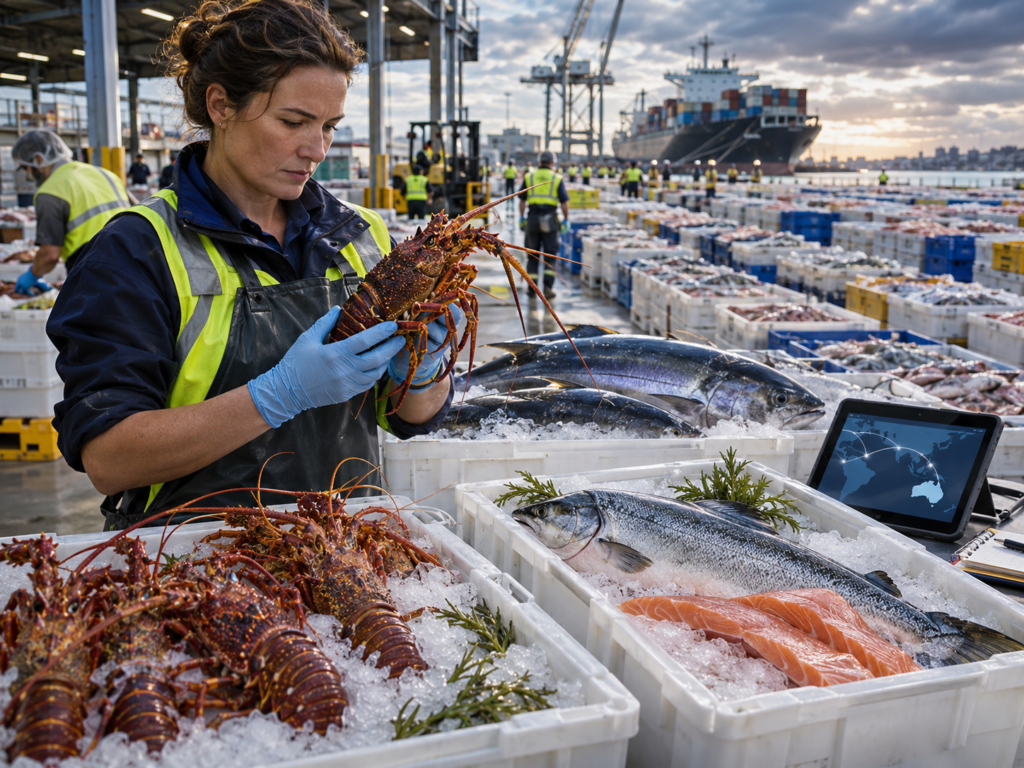
When a Bloom Becomes a Management Crisis
In March 2025, an algal bloom began affecting waters adjacent to South Australia. By the time its impacts were fully assessed, more than 500 species of marine life had been affected. Commercial and recreational fisheries alike felt the pressure. Preliminary analyses by the South Australian Research and Development Institute, conducted in collaboration with the Gulf of St Vincent Prawn Fishery, pointed to significant declines across a range of species, with catches falling well below expected levels .
The bloom did not stay a state issue. Because the Southern and Eastern Scalefish and Shark Fishery operates across Commonwealth and state waters, the damage to stocks in South Australian coastal waters had implications for Commonwealth-managed fishing. Gummy shark and school shark populations were flagged as potentially adversely impacted, along with scalefish species taken as bycatch by SESSF concession holders .
The Regulatory Response
In 2026, the Australian Fisheries Management Authority issued a formal closure direction under subsection 41A(2) of the Fisheries Management Act 1991. The instrument was developed after consultation with the South East Management Advisory Committee and with notification to SESSF concession holders. Industry supported the closure, a detail that matters because closures imposed without industry buy-in tend to generate compliance problems .
The logic of the closure is straightforward: reduce fishing pressure on affected stocks, allow time for population recovery, and create space for assessments of stock damage. The direction automatically repeals itself one day after the closure period ends, a sunset mechanism that prevents emergency measures from becoming permanent by inertia .
What This Reveals About Climate-Driven Fishery Management
The South Australian closure is a case study in a type of management action that is likely to become more common. Algal blooms are not new, but their severity and duration are being shaped by changing ocean conditions. When a bloom of this scale hits, the management response cannot wait for the next scheduled stock assessment. It must be triggered by observed damage, delivered quickly, and designed with an exit strategy.
The uncomfortable question is how many of these events the system can absorb before recovery capacity is exhausted. A closure that allows stocks to rebound is a success. A closure that follows a collapse from which recovery does not occur is a different kind of event entirely.
You may also like
-
Okinawa Harborview Hotel and Kobe Meriken Park Oriental Hotel Offer World-Renowned Kobe Beef Dining
-
ATARMAxxing launches 28 Topic Tests e-books and opens Australia-wide Year 12 tutoring for 2027
-
New Paediatric Brain Tumour Study Finds Fluorescence Is Less Reliable Beyond the Tumour Core — Medicana Expert Explains
-
STEPS hosts Christmas-themed workshops in Caloundra for young children
-
ATAR calculator, study score calculator and study planner for Year 12 in 2027