 5 Ide Oleh-Oleh dari Jakarta yang Bisa Jadi Buah Tangan
  Case Valker Luggage Gains Momentum Among Malaysian Travelers with Durable, TSA-Approved Designs
  Carziqo Launches ER-BX Autonomous Ride-Hailing Operations in San Francisco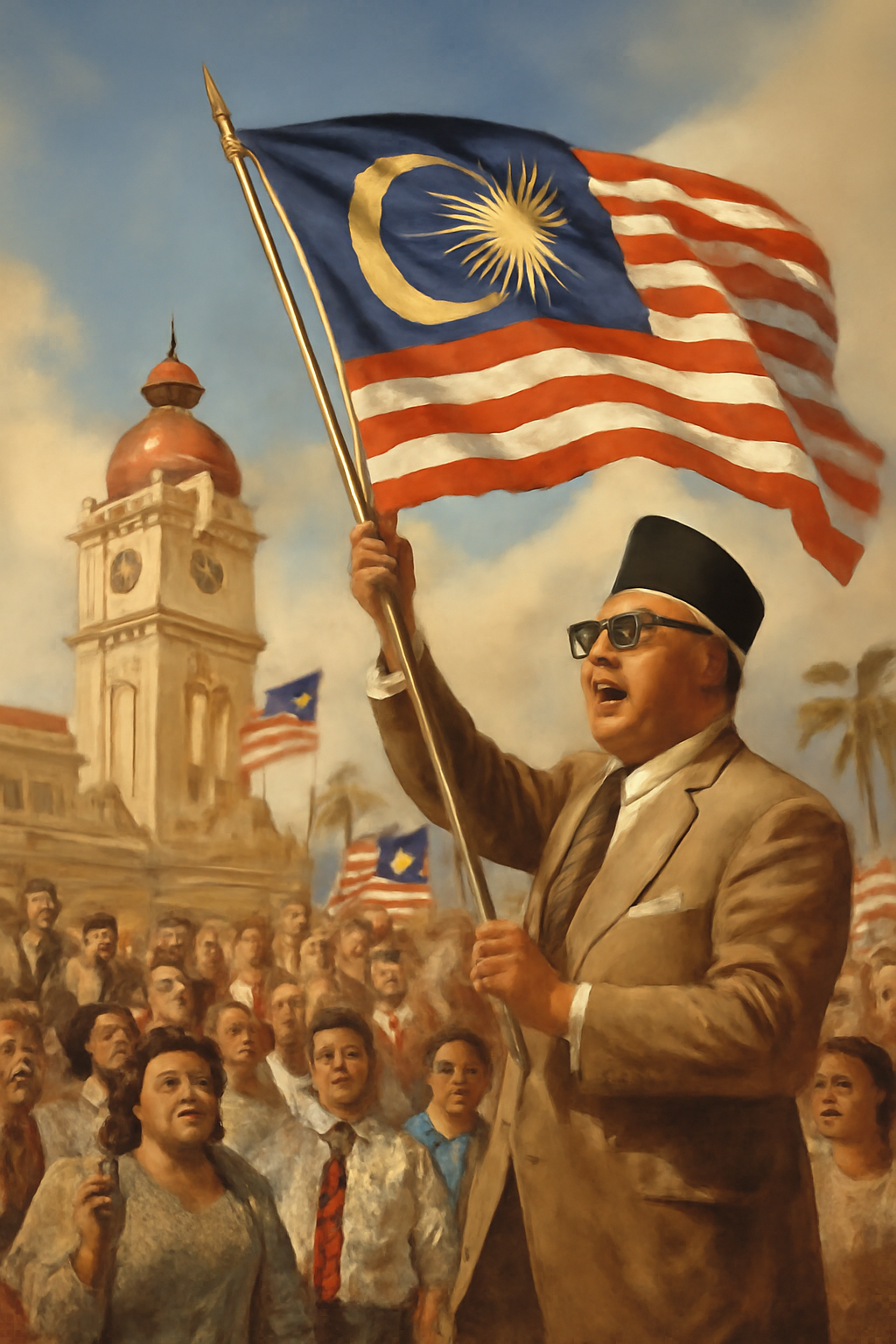
Malaysia has a rich and diverse history, starting with the Malay kingdoms that flourished on the Malay Peninsula. These kingdoms not only played important roles in the political and economic development of the region but also in the spread of culture and religion.
The Golden Age of the Malay Kingdoms
Malay kingdoms like Srivijaya and Malacca formed the foundation of early Malaysian history. The Srivijaya kingdom, which emerged around the 7th century in Sumatra, had a significant influence on Southeast Asia, including the Malay Peninsula. Through trade routes, Srivijaya became a link between India and China.
In the 15th century, the Malacca Sultanate rose as a rapidly growing international trade center. Malacca became the heart of trade activity in Asia and also served as a hub for the spread of Islam, introduced by Sultan Muhammad Shah. The Malacca Sultanate was the most dominant kingdom in the region during its time.
The Era of Colonization and Its Impact
Malacca eventually fell to the Portuguese in 1511, marking the beginning of colonization in Malaysia. The Dutch later took control of Malacca in the 17th century, followed by the British, who ruled the Malay Peninsula from the 19th century. British colonial rule brought significant changes to Malaysia’s economy and society, introducing large-scale plantations and resource management involving labor from India and China.
During this colonial period, Malaysia was also influenced by global events such as World War II. The Japanese invasion of Malaya had a huge impact on the political and social structure of the country. After the war, independence movements began to grow, led by figures like Tunku Abdul Rahman, who spearheaded the fight for independence.
The Path to Independence
Following World War II, the push for independence deepened. The journey toward independence quickened after the formation of the Malayan Union in 1946, which sparked resistance from the Malaysian people. In 1957, Malaysia finally gained independence through negotiations with the British, with Tunku Abdul Rahman becoming the first Prime Minister of the newly independent country.
Conclusion
The history of Malaysia, from the Malay kingdoms to independence, is a story of struggle, glory, and transformation. From the influence of great kingdoms like Malacca to the resistance against colonization, Malaysia eventually achieved its independence in 1957, opening a new chapter in the country’s history.
You may also like
-
Case Valker Luggage Gains Momentum Among Malaysian Travelers with Durable, TSA-Approved Designs
-
Understanding Gold Purity: The Differences Between 999, 916, and 750 Gold
-
Greek Specialty Products in Malaysia: Showcasing Authentic Greek PDO and Traditional Products
-
TADs in Contemporary Orthodontics: Final Call for Registration
-
Gold Bars or Gold Dinar? Abdul Razak Gold House Breaks Down What Malaysian Investors Should Know