 Lintasarta Rayakan 38 Tahun Perjalanan, Hadirkan Komitmen Empowering Beyond untuk Indonesia
  Barantum Maksimalkan Campaign Marketing dengan Broadcast WhatsApp
  SOLAR & STORAGE LIVE PHILIPPINES 2026 MARKS ITS 12TH EDITION AS THE COUNTRY’S DEFINITIVE ENERGY MARKETPLACE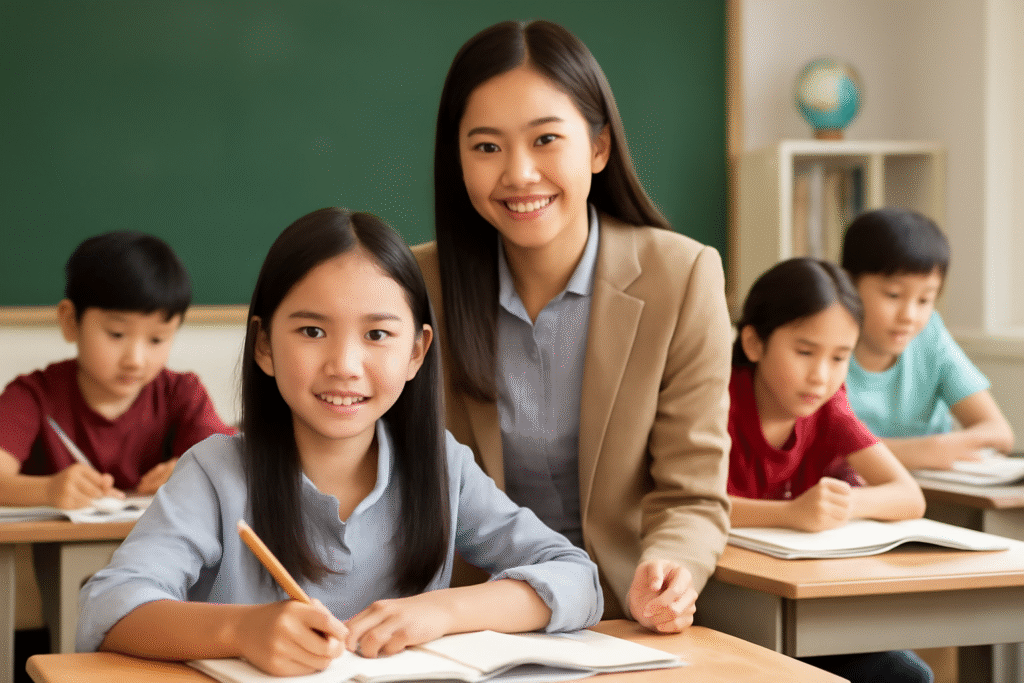
The education system in Singapore has earned a stellar reputation for producing top-tier graduates equipped to thrive in the competitive global marketplace. With a well-established curriculum, expert teachers, and a focus on both academic and personal development, Singapore has positioned itself as a global leader in education.
Rigorous and Comprehensive Curriculum Design
A key component of Singapore’s educational success is its comprehensive curriculum, which is both challenging and relevant. The curriculum places a strong emphasis on subjects such as mathematics, science, and language, ensuring that students develop a solid academic foundation. Singapore’s mathematics curriculum is particularly well-regarded worldwide, known for its structured approach to problem-solving, which helps students develop critical thinking and analytical skills.
Expert Teachers and Continuous Professional Development
Teachers in Singapore are highly skilled and undergo extensive training before entering the classroom. The selection process for teachers is highly competitive, ensuring that only the best candidates are chosen to shape the next generation of students. Once hired, teachers participate in ongoing professional development programs to refine their teaching practices. This commitment to continuous learning ensures that teachers are equipped with the latest pedagogical knowledge and methods, helping them meet the needs of their students.
Examinations as a Tool for Personal Growth
National examinations, such as the ‘O-Level’ and ‘A-Level’, are a critical part of the education system in Singapore. These exams serve as an important benchmark for students’ academic progress and future career opportunities. While the exams are challenging, they also promote personal growth by teaching students valuable life skills such as time management, discipline, and perseverance.
Developing Social and Emotional Skills Through Extracurricular Activities
In addition to academic achievement, Singapore’s education system places great importance on the development of social and emotional skills. Extracurricular activities play a significant role in this process. Students are encouraged to participate in a wide range of activities, from sports teams to music clubs and volunteer projects. These activities provide opportunities for students to develop leadership skills, teamwork, and emotional intelligence, all of which are essential for success in both personal and professional life.
Adapting to the Changing Needs of Education
As the world continues to change, Singapore’s education system remains flexible and adaptive. The government regularly updates the curriculum to incorporate new ideas and trends, ensuring that the education system remains relevant in a fast-changing world. Additionally, the integration of technology into the classroom is expanding, allowing students to engage with learning materials in new and exciting ways. This forward-thinking approach guarantees that Singapore’s education system remains at the forefront of global education.
You may also like
-
Stop Buying Random Omega-3 Fish Oil After 35: A Deep Review of 10 Top Brands
-
B2B Tech Asia Expo 2026: Indonesia’s First and Largest SaaS Technology Exhibition
-
Why More People in Singapore Are Becoming Certified Swimming Instructors
-
What’s the Best Brand of Omega Fish Oil? 2026 Pharmacist’s Guide to Top 10 Recommended Brands, High-EPA & Avoiding the “IQ Tax”
-
“Deeply Moved by an Otherworldly Journey” Actor Tao Tsuchiya Appointed Official Ambassador for TOKYO LIGHTS 2026; Full Lineup of 12 Works Announced for Light Art Park, Artistically Directed by Kenji Kohashi. Program Includes a New Work by Yoichi Ochiai and the Japan Debut of GAIA; Viewing Area Advance Registration Opens.