 Bitcoin Bangkit Lagi! BTC Tembus US$81.000, Level Ini Jadi Penentu Berikutnya
  Pembiayaan Dana Tunai BRI Finance Tumbuh 44,74% hingga Semester I-2026
  Saat Kebutuhan Datang Tak Terduga, BRI Finance Hadirkan Solusi Dana yang Fleksibel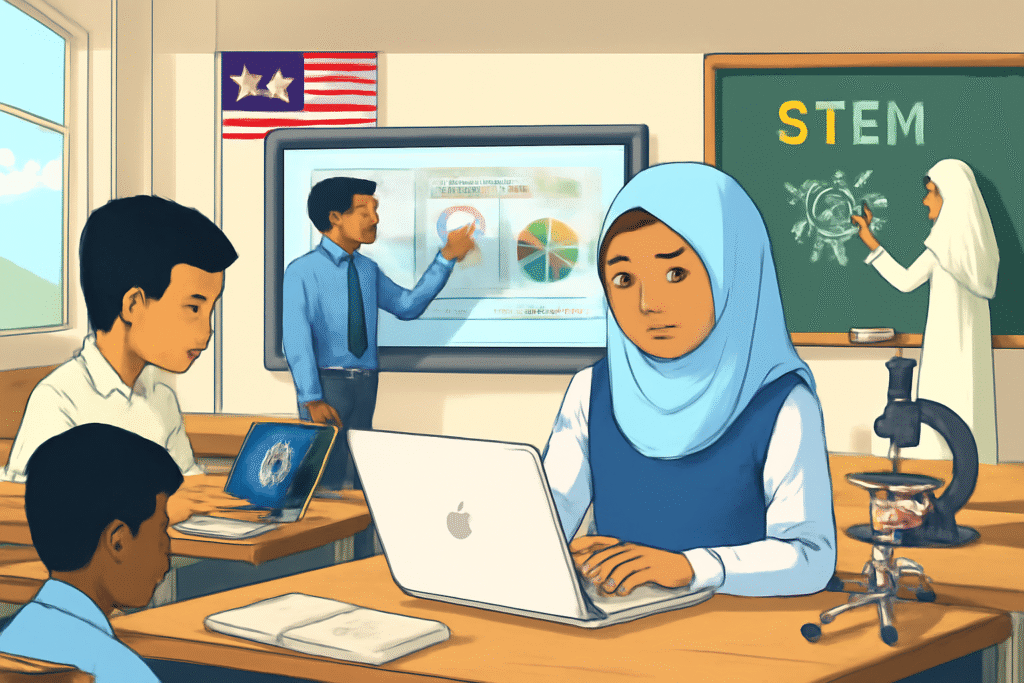
The educational landscape in Malaysia is evolving at an accelerated pace, with significant emphasis placed on integrating technology and reforming traditional practices. The country’s commitment to enhancing education quality is evident in its efforts to ensure that students are well-equipped to face the challenges of a rapidly changing global economy.
Education System Overview
The Malaysian education system is structured into four main stages: preschool, primary, secondary, and tertiary education. Preschool education is voluntary but widely encouraged for young children to build a solid foundation for future learning. Primary education, which is free and compulsory, provides students with the essential academic skills. Secondary education follows, where students undergo further specialization, culminating in the Malaysian Certificate of Education (Sijil Pelajaran Malaysia, SPM). Higher education is diverse and offers opportunities at both public and private institutions.
Technological Integration for Enhanced Learning
A central aspect of Malaysia’s education reforms involves leveraging technology to improve educational outcomes. The government has initiated the “1BestariNet” program, which aims to provide high-speed internet connectivity to all schools, ensuring that no student is left behind due to lack of access to digital resources. This digital infrastructure is pivotal in ensuring that teachers and students can fully utilize online learning platforms and e-learning materials.
Moreover, the “Smart Schools” program represents a key step towards integrating ICT into the teaching process. Smart classrooms feature digital whiteboards, e-books, and virtual classrooms that enhance interactive learning. The use of these tools not only improves student engagement but also fosters critical thinking and collaboration among students, which are essential skills in the modern job market.
STEM Education Initiatives
Recognizing the growing demand for skills in science, technology, engineering, and mathematics (STEM) fields, Malaysia has incorporated STEM education as a core focus of its reforms. Schools are increasingly offering specialized STEM programs to prepare students for careers in these high-demand sectors. These programs are designed to foster an early interest in STEM subjects and ensure that students are equipped with the problem-solving and analytical skills needed to thrive in the technology-driven economy.
Malaysia Education Blueprint (2013-2025)
The Malaysia Education Blueprint provides a comprehensive strategy for improving the country’s education system. It outlines steps to enhance curriculum quality, increase access to education, and improve the overall effectiveness of the system. Central to the blueprint is the focus on innovation, with an emphasis on the importance of nurturing creativity and critical thinking skills in students. By developing these competencies, the blueprint aims to ensure that Malaysia’s future workforce is prepared for the challenges of a globalized, digital world.
Addressing Challenges
While technological advancements and curriculum reforms are key to improving education, challenges persist. Disparities in access to resources between urban and rural areas remain a significant hurdle. While many urban schools are equipped with the necessary technology, rural schools often face difficulties in implementing digital learning tools due to inadequate infrastructure. Additionally, ensuring that teachers are well-trained to use new technologies effectively remains an ongoing concern.
Conclusion
Malaysia is on the right path toward creating an innovative, inclusive, and quality-driven education system. With initiatives like the 1BestariNet program and the focus on STEM education, Malaysia is positioning itself to meet the needs of a modern, digital economy. However, continued attention to the challenges of resource distribution and teacher training is essential to achieving equitable access to quality education for all.
You may also like
-
Case Valker Luggage Gains Momentum Among Malaysian Travelers with Durable, TSA-Approved Designs
-
Understanding Gold Purity: The Differences Between 999, 916, and 750 Gold
-
Greek Specialty Products in Malaysia: Showcasing Authentic Greek PDO and Traditional Products
-
TADs in Contemporary Orthodontics: Final Call for Registration
-
Gold Bars or Gold Dinar? Abdul Razak Gold House Breaks Down What Malaysian Investors Should Know