 5 Ide Oleh-Oleh dari Jakarta yang Bisa Jadi Buah Tangan
  Case Valker Luggage Gains Momentum Among Malaysian Travelers with Durable, TSA-Approved Designs
 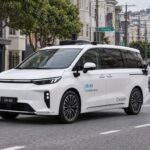 Carziqo Launches ER-BX Autonomous Ride-Hailing Operations in San Francisco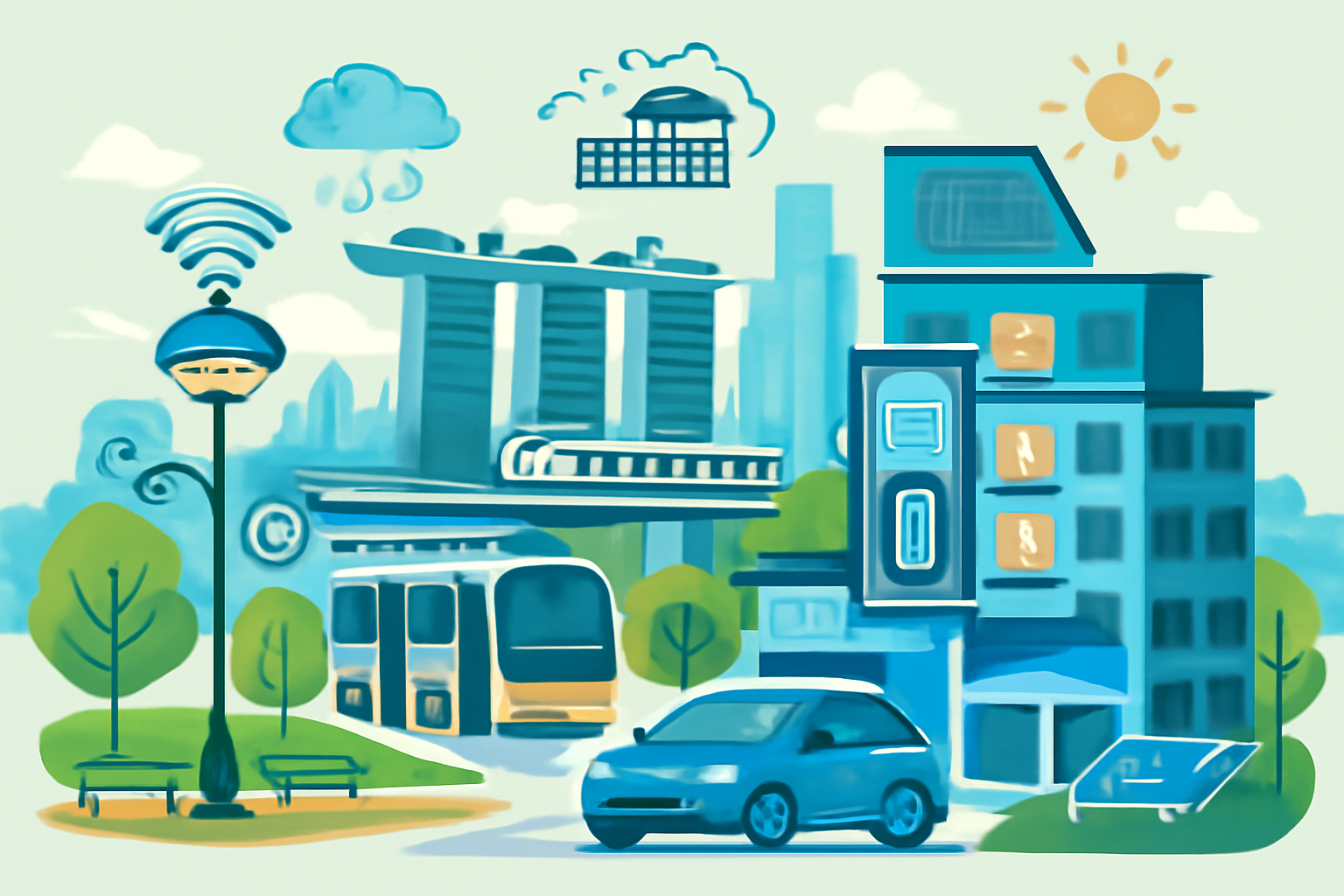
As one of the world’s leading smart cities, Singapore has successfully blended advanced technologies into its urban landscape to improve the quality of life for its residents. With a focus on connectivity, sustainability, and efficiency, Singapore has become a role model for cities seeking to adopt smart city technologies. The integration of technology into the fabric of urban living has brought tangible benefits in a variety of sectors, including transportation, housing, and energy management.
A key factor behind Singapore’s success as a smart city is its comprehensive data infrastructure. The city has implemented a vast network of sensors that continuously collect data on everything from weather conditions to traffic patterns. This real-time data is then processed and analyzed to guide decision-making and urban planning, ensuring that resources are allocated efficiently and that citizens’ needs are met more effectively.
In the realm of transportation, Singapore has made significant strides with its intelligent traffic management system. Through the use of data and smart algorithms, the city has been able to optimize traffic flows and reduce congestion. Public transport services, including buses and the MRT, benefit from real-time tracking systems, which provide users with accurate travel times and help reduce delays. The introduction of contactless payment methods for public transportation further enhances the ease of commuting for both locals and tourists.
Smart homes are another hallmark of Singapore’s technological evolution. Many modern buildings in the city are equipped with IoT-enabled devices, allowing residents to manage everything from lighting to climate control via their smartphones. These smart technologies not only make homes more convenient but also contribute to energy conservation, as they can be programmed to adjust settings based on usage patterns.
Sustainability is a central theme in Singapore’s development as a smart city. The city is committed to reducing its environmental impact by integrating green technologies into its infrastructure. Solar panels are widely used on buildings throughout Singapore, providing renewable energy and reducing reliance on nonrenewable resources. Furthermore, smart grids ensure that energy consumption is closely monitored and optimized for efficiency.
Public spaces have also benefited from the integration of technology. In parks, sensors collect data on air quality, temperature, and other environmental factors, providing real-time updates to citizens. This not only allows people to make informed decisions about their activities but also ensures that the urban environment remains clean and healthy for all residents.
Overall, Singapore’s smart city model showcases how technology can be used to enhance urban life. By utilizing data-driven approaches, integrating renewable energy solutions, and developing interconnected systems, the city is creating a more sustainable, efficient, and enjoyable living environment.
You may also like
-
Raflux Closes $300K Pre-Seed to Scale Super Gacha on Solana
-
Sanct to launch on Product Hunt live from Tech in Asia Conference 2026, with limited free swag at booth SF09
-
Singapore’s Music Tourism Strategy: From Universal Music Partnership to a 3,000-Capacity Orchard Road Venue
-
Bridging European Luxury and Southeast Asian Real Estate: Jasmine Chau Leads the Grand Finale at IFFINA+ 2026
-
Aspire Launches Aspire Account-Opening Integration With Osome: Global Founders Can Open Business Accounts Faster Than Ever