 Peduli Kesehatan Lingkungan, PTPN Group melalui Unit Riset Sungei Putih PT RPN Berkolaborasi Lakukan Fogging
  Tips Traktir Teman ketika Ulang Tahun agar Tidak Boncos
  Mengatur Keuangan Saat Punya Cicilan agar Tetap Terkendali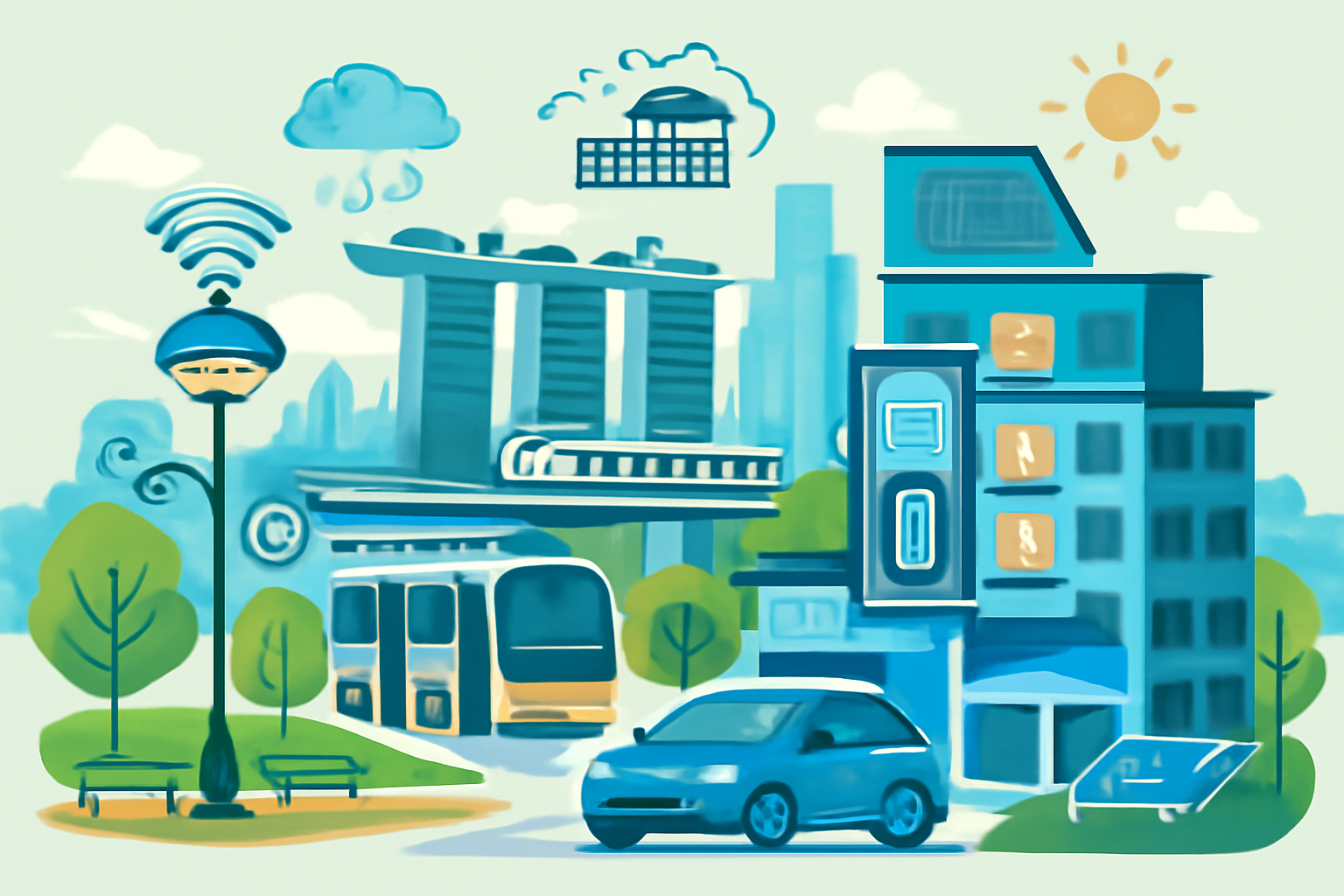
As one of the world’s leading smart cities, Singapore has successfully blended advanced technologies into its urban landscape to improve the quality of life for its residents. With a focus on connectivity, sustainability, and efficiency, Singapore has become a role model for cities seeking to adopt smart city technologies. The integration of technology into the fabric of urban living has brought tangible benefits in a variety of sectors, including transportation, housing, and energy management.
A key factor behind Singapore’s success as a smart city is its comprehensive data infrastructure. The city has implemented a vast network of sensors that continuously collect data on everything from weather conditions to traffic patterns. This real-time data is then processed and analyzed to guide decision-making and urban planning, ensuring that resources are allocated efficiently and that citizens’ needs are met more effectively.
In the realm of transportation, Singapore has made significant strides with its intelligent traffic management system. Through the use of data and smart algorithms, the city has been able to optimize traffic flows and reduce congestion. Public transport services, including buses and the MRT, benefit from real-time tracking systems, which provide users with accurate travel times and help reduce delays. The introduction of contactless payment methods for public transportation further enhances the ease of commuting for both locals and tourists.
Smart homes are another hallmark of Singapore’s technological evolution. Many modern buildings in the city are equipped with IoT-enabled devices, allowing residents to manage everything from lighting to climate control via their smartphones. These smart technologies not only make homes more convenient but also contribute to energy conservation, as they can be programmed to adjust settings based on usage patterns.
Sustainability is a central theme in Singapore’s development as a smart city. The city is committed to reducing its environmental impact by integrating green technologies into its infrastructure. Solar panels are widely used on buildings throughout Singapore, providing renewable energy and reducing reliance on nonrenewable resources. Furthermore, smart grids ensure that energy consumption is closely monitored and optimized for efficiency.
Public spaces have also benefited from the integration of technology. In parks, sensors collect data on air quality, temperature, and other environmental factors, providing real-time updates to citizens. This not only allows people to make informed decisions about their activities but also ensures that the urban environment remains clean and healthy for all residents.
Overall, Singapore’s smart city model showcases how technology can be used to enhance urban life. By utilizing data-driven approaches, integrating renewable energy solutions, and developing interconnected systems, the city is creating a more sustainable, efficient, and enjoyable living environment.
You may also like
-
Astaka Launches SOL HealthTech Brand, Aiming To Capitalise On Growing Demand For Indoor Air Quality Solutions Across Asia
-
Three notes from Hangzhou: Sanct Social founder on how China backs its start-ups, one task per city, and a whole city out to see the moon
-
Sixteen companies, four ministries and agencies, two associations: inside the Indonesian delegation to Hangzhou’s Global Digital Trade Expo
-
Sanct Social joins Indonesian delegation to China’s Global Digital Trade Expo, explores the smart glasses and AI models already on sale there
-
YouHealth Singapore Highlights a Personalised TCM Approach to Sustainable Weight Management