 5 Ide Oleh-Oleh dari Jakarta yang Bisa Jadi Buah Tangan
  Case Valker Luggage Gains Momentum Among Malaysian Travelers with Durable, TSA-Approved Designs
  Carziqo Launches ER-BX Autonomous Ride-Hailing Operations in San Francisco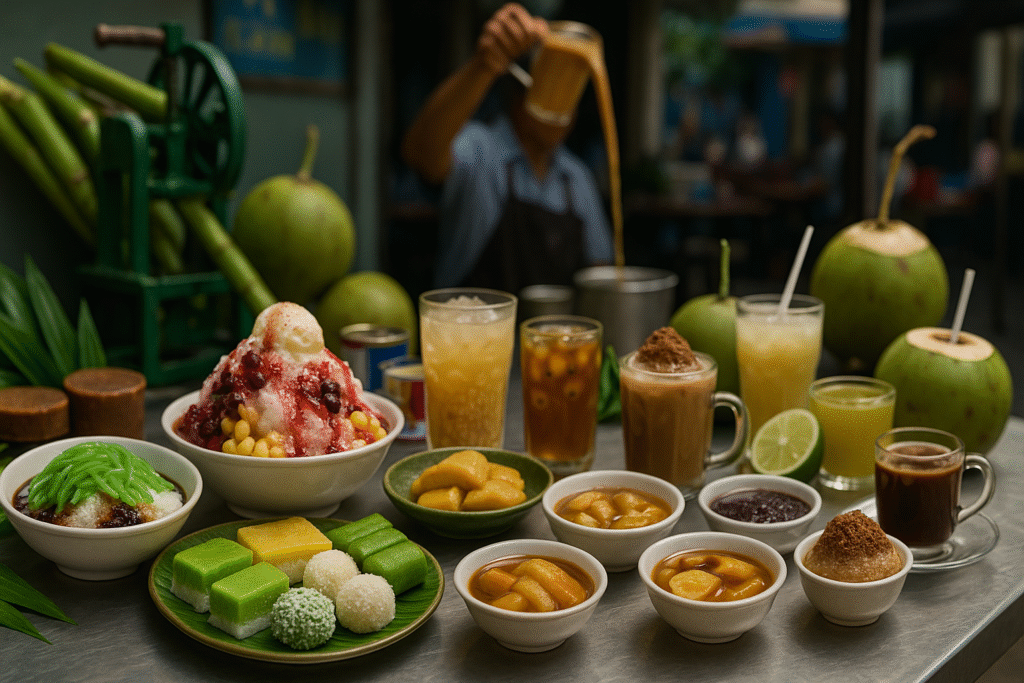
To cook Malaysian food well, think like a spice cartographer. The pantry is compact yet potent, revolving around aromatics, ferments, herbs, and coconut in its many forms—each calibrated to strike balance and depth without muddiness.
Start with the aromatics that power rempah (spice pastes): shallots, garlic, ginger, fresh chilies, lemongrass, galangal, turmeric root, and candlenut. Pounded in a lesung batu (mortar and pestle) they become a cohesive paste that fries more evenly and tastes rounder than blender-slicked versions. Fry the paste until the oil “splits,” signaling sweetness and complexity; then build with liquids—stock, coconut milk (santan), or tamarind water—depending on the dish.
Coconut is the pantry’s Swiss Army knife. Thin and thick santan deliver body and gentle sweetness to curries, gulai, and nasi lemak. Kerisik, made by toasting grated coconut and grinding it to a paste, introduces a nutty, caramel undertone essential in rendang. Palm sugar—gula Melaka—adds smoky sweetness to desserts and even savory dishes, smoothing sharp edges without turning them cloying.
Fermented flavors provide low notes. Belacan (fermented shrimp paste) is dry-toasted or briefly fried before pounding into sambal belacan with lime and chilies; a small amount transforms stir-fries, vegetables, and grilled fish. Budu (anchovy sauce), cincalok (fermented shrimp), and tempoyak (fermented durian) show up as condiments or cooking bases, particularly in the east coast and southern regions, lending complexity that salt alone cannot provide.
Herbs and leaves finish the spectrum. Daun kesum (Vietnamese coriander) and bunga kantan (torch ginger) perfume Penang asam laksa. Pandan scents rice and sweets; turmeric leaf adds a floral, earthy note to rendang and nasi. Butterfly pea flower colors nasi kerabu a vibrant blue, while calamansi limes bring a bright, floral acidity to noodles and sambals. Rice anchors everything—standard white rice daily, glutinous rice for lemang and kuih, and regional gems like Bario rice from Sarawak for special meals.
Tools shape outcome as much as ingredients. The kuali (wok) is indispensable for noodles and quick tosses that need searing heat. Claypots (periuk tanah) retain moisture and create gentle convection for rice and braises. Banana leaves line steamers, wrap otak-otak, and serve as plates, imparting subtle aroma while reducing waste. Charcoal, where used, delivers unmatched smokiness—veteran char kway teow vendors still swear by it.
Finally, techniques: control of heat and liquid separates good from great. Rendang demands patience to reduce and “fry” the sauce until it grips the meat. Laksa stocks rely on clean aromatics and, for asam versions, balanced acidity. Noodles want speed and enough oil to conduct heat. Master these fundamentals and the pantry sings—layered, logical, and irresistibly Malaysian.
You may also like
-
Case Valker Luggage Gains Momentum Among Malaysian Travelers with Durable, TSA-Approved Designs
-
Understanding Gold Purity: The Differences Between 999, 916, and 750 Gold
-
Greek Specialty Products in Malaysia: Showcasing Authentic Greek PDO and Traditional Products
-
TADs in Contemporary Orthodontics: Final Call for Registration
-
Gold Bars or Gold Dinar? Abdul Razak Gold House Breaks Down What Malaysian Investors Should Know