 Kesalahan Menyimpan Dana Darurat yang Sering Dilakukan
  Holding Perkebunan Nusantara Perkuat Akses Air Bersih, PTPN IV PalmCo dan Polres Langkat Bangun Sumur Bor bagi Masyarakat
  Industri Global dan Lokal Memberikan Dukungan Kuat pada Automechanika Jakarta saat Pendaftaran Pengunjung Dibuka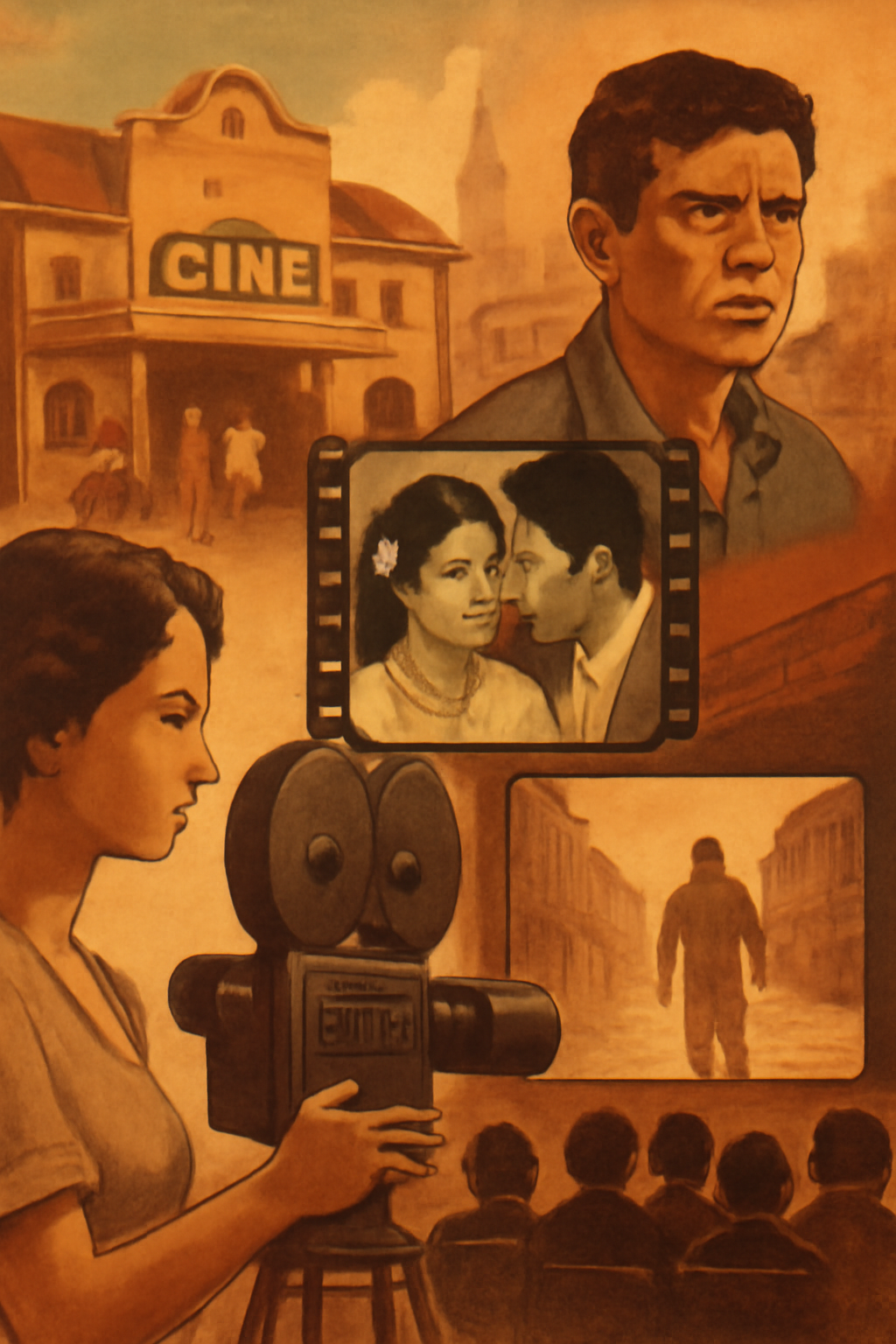
The Philippine film industry, often considered one of the oldest in Southeast Asia, has witnessed significant growth and transformation since its inception. The first film screening in the Philippines took place in 1897, showing the Lumière brothers’ Workers Leaving the Lumière Factory. While this film wasn’t locally produced, it signaled the arrival of cinema in the country, which would eventually develop into a unique and thriving industry.
The real breakthrough for Philippine cinema came in 1919 with the production of Dalagang Bukid, directed by José Nepomuceno. As the first Filipino-produced feature film, Dalagang Bukid helped establish the foundation for the film industry in the Philippines. Inspired by local operettas, the film featured stories that resonated with the everyday lives of Filipinos. Over time, Filipino filmmakers began to carve out their own identity, moving beyond the influence of Hollywood and incorporating Filipino folklore, culture, and history into their films.
In the 1930s, as the country faced new social and political challenges, film studios like LVN Pictures and Sampaguita Pictures flourished. These studios became the pillars of the Philippine film industry and produced many of the era’s most iconic films. The rise of new genres, such as melodrama, musical, and romance, connected with audiences, and filmmakers found success in stories that depicted the struggles and aspirations of Filipino families.
The Philippine film industry, however, faced a major setback during World War II. The Japanese occupation of the Philippines devastated film studios, and production came to a standstill. Despite these setbacks, the post-war period saw the Philippine film industry bounce back, with filmmakers creating films that not only entertained but also reflected the societal changes occurring in the country. By the 1950s, the film industry was in its Golden Age, marked by films that were both artistically and commercially successful.
In the 1970s, as the country entered a period of martial law under Ferdinand Marcos, Philippine cinema faced increasing government censorship. Nevertheless, filmmakers like Lino Brocka, Mike de Leon, and Ishmael Bernal became instrumental in using film as a platform to critique the oppressive regime. Their works highlighted social issues like poverty, human rights violations, and corruption, offering a voice for the marginalized.
By the 1990s, independent filmmaking emerged as a dominant force in Philippine cinema. Independent directors like Brillante Mendoza and Lav Diaz began creating films that were unconventional in style and focused on realistic portrayals of Filipino society. Their works gained international recognition, with Diaz’s Norte, the End of History and Mendoza’s Kinatay winning prestigious awards at film festivals around the world.
Today, the Philippine film industry is experiencing a renaissance. While mainstream cinema still dominates, the independent film sector continues to thrive, exploring bold new narratives and addressing contemporary social issues. With the rise of digital filmmaking and streaming platforms, Filipino filmmakers have new opportunities to reach global audiences, ensuring that the future of Philippine cinema remains bright.
You may also like
-
VRITIMES Supports Smart Health Asia 2026 as Media Partner
-
Sprout Solutions to Stage Annual State of HR Summit 2026 Focused on “Leading a People-First AI Transformation”
-
Casino Plus Records Over ₱1 Billion in Validated Q2 Jackpot Payouts, Underscoring Platform Credibility
-
Carziqo Introduces a New Model for Intelligent Mobility Platforms
-
MOLD Manila Redefines Confidence with Specialized Sclerotherapy to Erase Varicose Veins