 5 Ide Oleh-Oleh dari Jakarta yang Bisa Jadi Buah Tangan
  Case Valker Luggage Gains Momentum Among Malaysian Travelers with Durable, TSA-Approved Designs
  Carziqo Launches ER-BX Autonomous Ride-Hailing Operations in San Francisco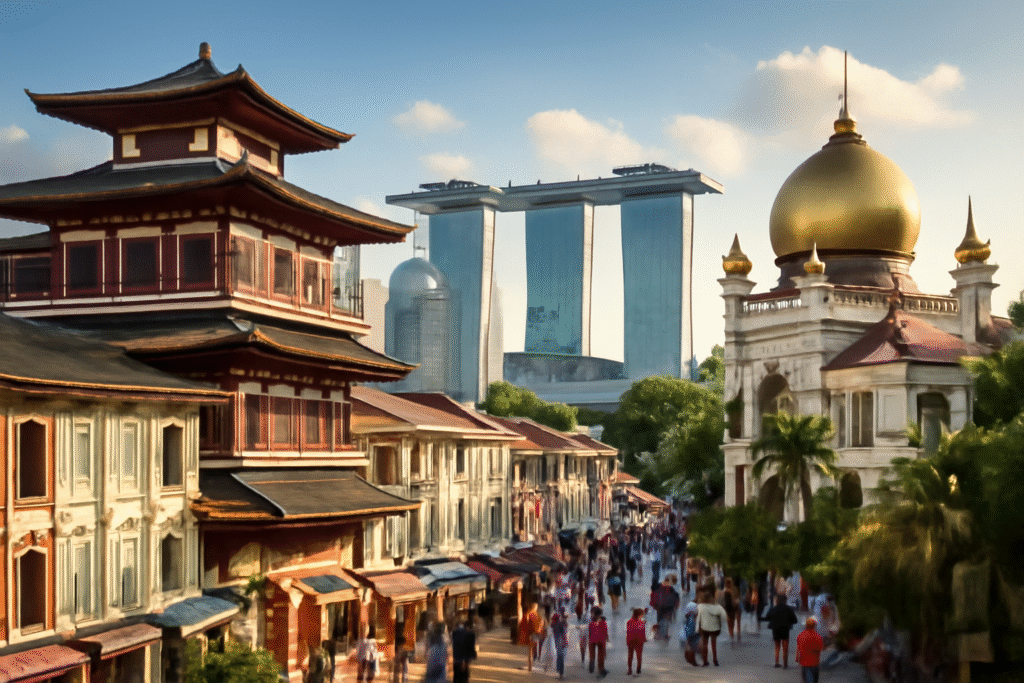
Singapore is a city-state that stands as a testament to how a society can evolve while still remaining connected to its roots. Known for its rapid economic growth, technological advancements, and clean urban spaces, Singapore has managed to maintain a deep respect for its traditions and cultural diversity. The harmony between modernity and tradition shapes the social fabric of the nation, influencing its values, interactions, and celebrations.
A Rich Tapestry of Cultural Traditions
The multicultural makeup of Singapore is one of its most celebrated features. Its population is composed of various ethnic groups, including Chinese, Malay, Indian, and others, each with their own distinct traditions, languages, and festivals. National celebrations such as Chinese New Year, Deepavali, Hari Raya, and the Mid-Autumn Festival are key events where different cultural communities come together to celebrate their traditions.
These festivals reflect the rich cultural diversity of Singapore and are embraced by all, regardless of ethnic background. This unity is facilitated by the government’s policies of racial and religious tolerance, which promote inclusivity while maintaining respect for the individuality of each group. Furthermore, neighborhoods like Chinatown, Little India, and Kampong Glam offer an immersive experience of the history, art, and customs of Singapore’s various communities, blending old-world charm with modern city life.
Modernization Without Losing Identity
While tradition is vital to Singaporean society, the city-state is also known for its cutting-edge modernity. The skyline of Singapore is filled with futuristic buildings, from the iconic Marina Bay Sands to the striking Gardens by the Bay, all of which reflect the country’s ambition to remain at the forefront of global urban design. Singapore is also a leader in innovation, with technology embedded into daily life through initiatives like Smart Nation, which aims to make the city more connected and efficient.
Despite these modern achievements, Singapore has not neglected its heritage. The government’s effort to preserve historical landmarks such as the National Museum and the Singapore Botanic Gardens ensures that the city’s cultural identity remains intact. These sites are important for both locals and tourists, serving as a link between the past and present.
The Intersection of Tradition and Modern Values
At the core of Singapore’s social life lies an emphasis on both family values and personal development. Singaporeans are taught to respect their elders, uphold familial obligations, and honor their cultural heritage. However, in a rapidly evolving world, they are also encouraged to pursue professional goals and individual success. The nation’s emphasis on education supports this dual focus, equipping its citizens with the skills and knowledge necessary to succeed in a competitive global economy while still being grounded in their traditional values.
In the workplace, this balance is evident in the strong work ethic of Singaporeans, who are known for their discipline, dedication, and commitment to excellence. These qualities are reinforced by both traditional influences and modern aspirations, creating a workforce that values both respect for authority and the drive for innovation.
Conclusion
Social life in Singapore offers a perfect example of how a society can honor its cultural traditions while embracing the possibilities of modernity. The city-state’s ability to preserve its heritage while achieving unprecedented growth and innovation makes it a model of social harmony. As Singapore continues to evolve, its unique blend of tradition and modernity will remain at the heart of its vibrant social life.
You may also like
-
Raflux Closes $300K Pre-Seed to Scale Super Gacha on Solana
-
Sanct to launch on Product Hunt live from Tech in Asia Conference 2026, with limited free swag at booth SF09
-
Singapore’s Music Tourism Strategy: From Universal Music Partnership to a 3,000-Capacity Orchard Road Venue
-
Bridging European Luxury and Southeast Asian Real Estate: Jasmine Chau Leads the Grand Finale at IFFINA+ 2026
-
Aspire Launches Aspire Account-Opening Integration With Osome: Global Founders Can Open Business Accounts Faster Than Ever