 Casino Plus Champions Consumer Protection, Reaffirms Commitment to Responsible Gaming
  Alden Richards Foundation, at Casino Plus, katuwang ang Powerhouse Jury sa pagpili ng ‘Hero for All’ Awardees
  Momentum Libur Panjang Dongkrak Mobilitas Wisata, Perjalanan Menuju Jawa Timur Selatan Meningkat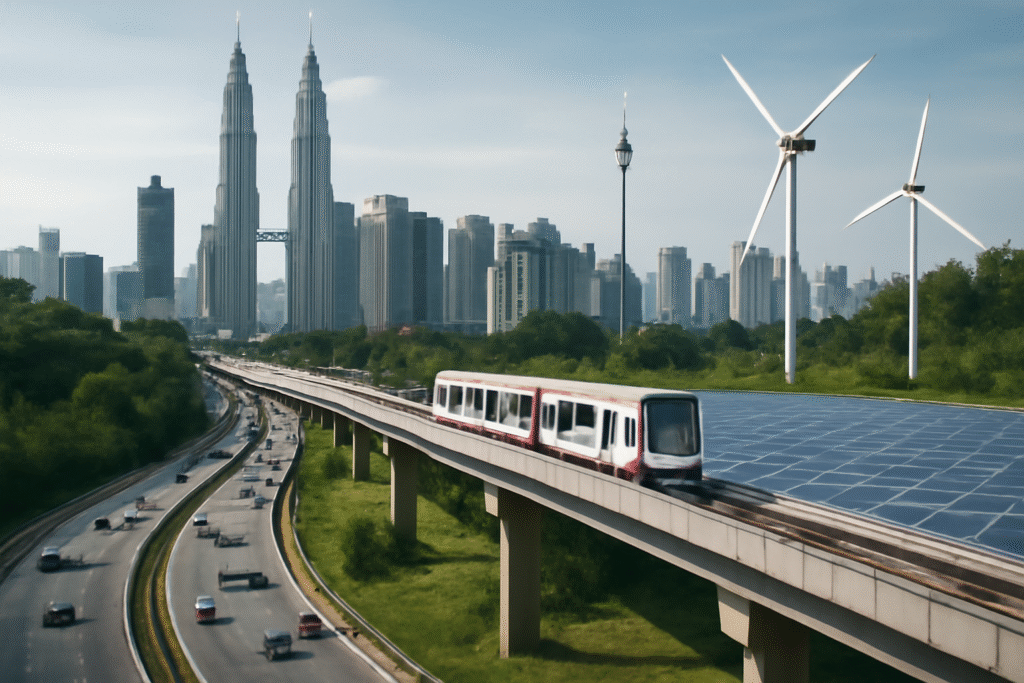
Malaysia’s infrastructure development has been a cornerstone of the nation’s growth strategy, linking diverse regions and promoting long-term sustainable development. The nation’s ambitious infrastructure projects are transforming the country into a more interconnected and competitive economy.
Improving Connectivity Across Regions
Malaysia’s geographical layout necessitates extensive infrastructure development to link its rural and urban areas. The government has heavily invested in road networks, notably the North-South Expressway and the East Coast Rail Link, to improve connectivity. These projects are designed to reduce travel times, facilitate the movement of goods, and create new economic opportunities for underdeveloped areas.
Beyond roads, Malaysia’s airports and seaports are essential for boosting the country’s role in global trade. Airports like KLIA and Penang International Airport play a key role in connecting Malaysia to the rest of the world, while ports such as Port Klang serve as vital trade hubs, further strengthening the country’s position as a regional logistics center.
Economic Growth Through Infrastructure Investment
Infrastructure investments have far-reaching impacts on Malaysia’s economy. The country’s enhanced transportation networks have made it easier for businesses to operate and expand, thereby increasing domestic and foreign investments. Major industrial centers like Selangor and Penang have thrived as a result of better connectivity, attracting both local and international firms.
The government’s focus on digital infrastructure is also laying the foundation for a thriving digital economy. The implementation of nationwide high-speed internet networks and the introduction of 5G technology are critical in ensuring that Malaysia can compete in the global digital landscape, especially in the fields of e-commerce, fintech, and digital services.
Sustainable Development: A Key Focus for the Future
As Malaysia continues to develop, sustainability has become a key concern in its infrastructure planning. The nation has committed to incorporating renewable energy solutions, environmentally-friendly construction practices, and efficient public transport systems to reduce its environmental impact. With the growth of green urban planning, Malaysia is preparing its infrastructure to support a sustainable and eco-conscious future.
You may also like
-
Karaoke Manekineko Debuts 19th Malaysian Outlet at NU Empire
-
Media Interaction of Construct Uganda Expo co-located with Power, Energy & Solar Uganda Expo held at Kampala, Uganda ahead of the Expo Beginning on May 21, 2026 at UMA Show Grounds, Kampala, Uganda
-
SND Recycler Delivers Secure E-Waste Recycling and Data Destruction Services in Malaysia
-
Mayfair Wellness Expands Stem Cell Therapy Program to Enhance Anti-Aging and Regenerative Care
-
METALTECH & AUTOMEX Returns Bigger for Its 30th Anniversary — Powering Industrial Excellence, Redefining Smart and Sustainable Manufacturing