 5 Ide Oleh-Oleh dari Jakarta yang Bisa Jadi Buah Tangan
  Case Valker Luggage Gains Momentum Among Malaysian Travelers with Durable, TSA-Approved Designs
  Carziqo Launches ER-BX Autonomous Ride-Hailing Operations in San Francisco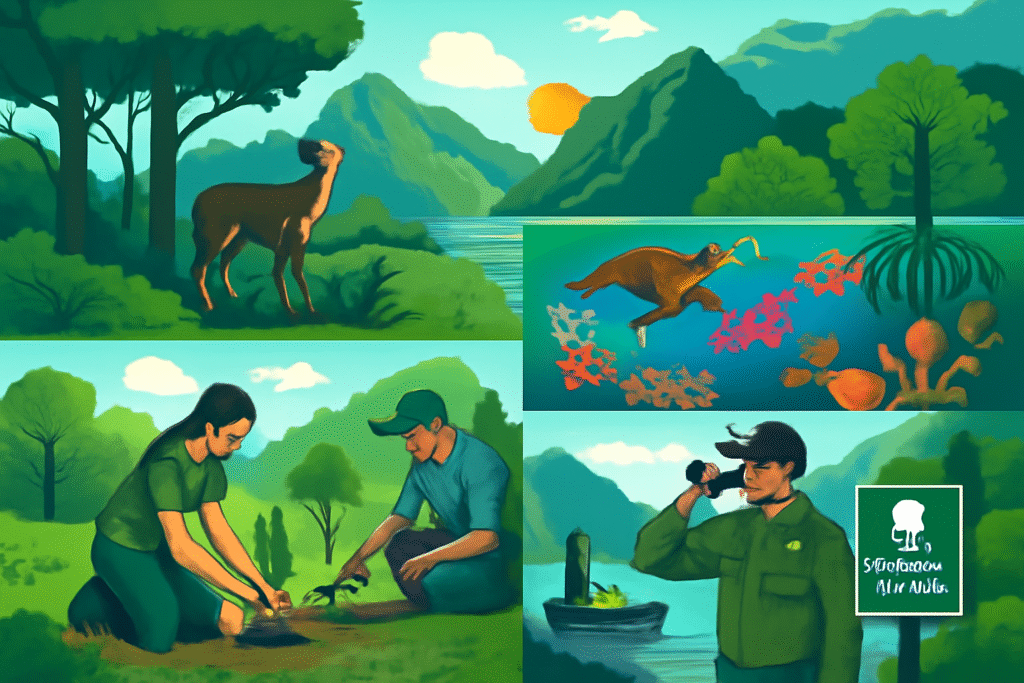
The Philippines, with its diverse landscapes and rich ecosystems, is one of the most ecologically significant countries in the world. Its forests, coral reefs, and marine life contribute to its status as a biodiversity hotspot. Unfortunately, these invaluable ecosystems are under constant threat from human activities, including deforestation, overfishing, and pollution. In response, the Philippines has adopted a series of strategies to protect its environment and ensure the sustainability of its natural resources.
A central element of the country’s environmental protection efforts is the establishment of protected areas. The National Integrated Protected Areas System (NIPAS) Law, enacted in 1992, aims to preserve the country’s natural heritage by creating protected areas. These areas serve as refuges for endangered species and critical habitats for biodiversity. For example, the Puerto Princesa Underground River, a UNESCO World Heritage Site, is protected under the NIPAS law to prevent further degradation of its unique ecosystems.
Another significant initiative is the National Greening Program (NGP), which was launched in 2011 to address deforestation and promote reforestation. The NGP has been successful in rehabilitating thousands of hectares of denuded land by planting a wide variety of native tree species. This not only restores biodiversity but also helps reduce soil erosion and improve water quality, benefiting local communities who rely on these ecosystems.
Marine conservation is equally important in the Philippines, as the country is surrounded by some of the most biodiverse marine ecosystems in the world. Efforts to protect coral reefs, mangroves, and seagrass beds have been implemented through the establishment of marine protected areas (MPAs). These MPAs restrict destructive fishing practices and promote sustainable fishing, ensuring the long-term health of the marine environment.
Despite the progress made, there are still significant challenges to conservation in the Philippines. Illegal logging, mining, and fishing continue to threaten the country’s natural resources. Furthermore, the impact of climate change, such as more intense typhoons and rising sea levels, complicates conservation efforts. However, through continued investment in environmental protection and collaboration with local communities, the Philippines is working toward a sustainable future.
You may also like
-
Carziqo Launches ER-BX Autonomous Ride-Hailing Operations in San Francisco
-
Trans-Asiatic Trading Expands Distribution of Gerflor Streamo Marine Vinyl Flooring to Key Philippine Shipyards
-
‘Dragon King’ scores ₱122.4-M win in Casino Plus, says historic jackpot ‘felt like a dream’
-
VRITIMES Covers LogiSYM Philippines 2026, Alongside Transport & Logistics Philippines 2026
-
TPSW 2026 Photo Contest Invites Photographers to Spotlight Volunteerism Across Asia