 Bitcoin Bangkit Lagi! BTC Tembus US$81.000, Level Ini Jadi Penentu Berikutnya
  Pembiayaan Dana Tunai BRI Finance Tumbuh 44,74% hingga Semester I-2026
  Saat Kebutuhan Datang Tak Terduga, BRI Finance Hadirkan Solusi Dana yang Fleksibel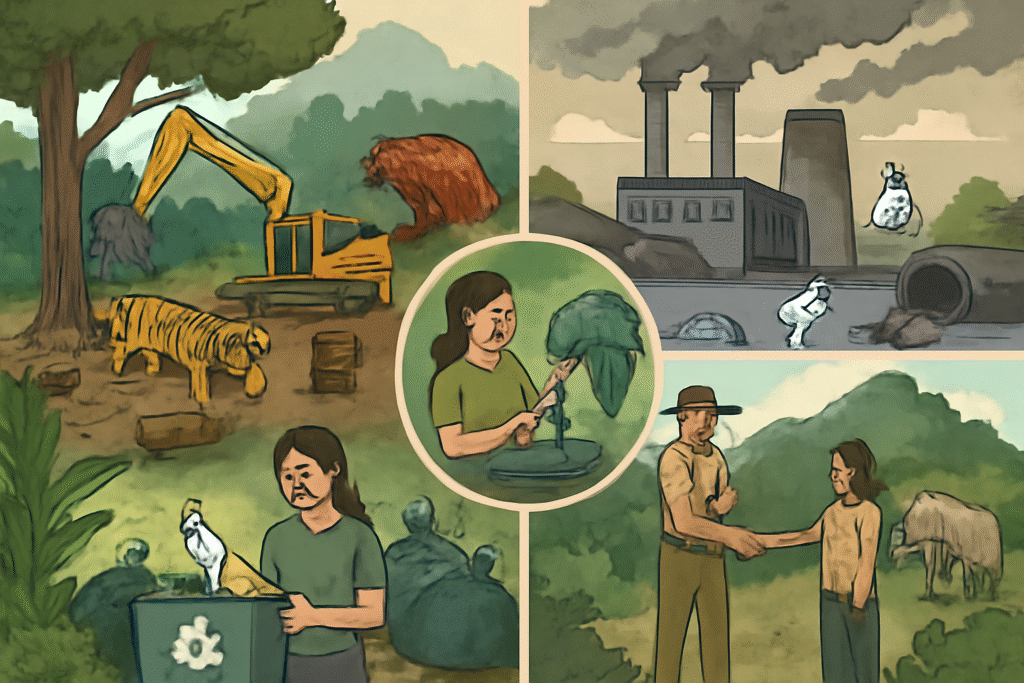
Malaysia, renowned for its rich biodiversity and expansive forests, is experiencing a range of environmental challenges that threaten the sustainability of its ecosystems. From deforestation to pollution, these challenges are being met with various conservation strategies aimed at preserving the nation’s natural wealth.
Deforestation and its Impact
Deforestation remains one of Malaysia’s most pressing environmental challenges. The rapid conversion of forested land for palm oil plantations and logging activities has significantly reduced forest cover. This deforestation not only contributes to the loss of biodiversity but also disrupts ecosystems that rely on the forests for survival. Iconic species such as the Malayan tiger, Bornean orangutan, and pygmy elephant are at increasing risk due to habitat destruction.
To address deforestation, Malaysia has introduced policies to regulate land use and promote sustainable agricultural practices. The certification of palm oil as sustainable through the Roundtable on Sustainable Palm Oil (RSPO) is one such initiative that has led to more environmentally conscious palm oil production. Additionally, protected areas and wildlife sanctuaries have been established to preserve the remaining forests and their inhabitants.
Pollution: A Growing Crisis
Pollution in Malaysia is a significant issue, with air, water, and soil contamination affecting both urban and rural areas. Rapid industrial growth and urban expansion have led to an increase in waste and emissions. Malaysia’s rivers and coastlines are heavily polluted with plastic waste, industrial runoff, and untreated sewage, which harms aquatic life and human health.
The Malaysian government has responded by enforcing stricter waste management regulations and promoting recycling initiatives. The nationwide ban on single-use plastics in certain states and the introduction of waste separation at the source have helped reduce plastic waste. However, the government and citizens must work together to implement more effective solutions and address the growing pollution crisis.
Conservation Efforts and Sustainability
Malaysia’s conservation efforts focus on protecting its unique ecosystems and wildlife. National parks and protected areas have been set up to safeguard biodiversity and promote sustainable tourism. Conservation programs targeting endangered species such as the Malayan tiger and Sumatran rhinoceros are in place to prevent their extinction.
Furthermore, Malaysia is emphasizing sustainable development practices across various sectors. Sustainable palm oil production, responsible forestry management, and eco-friendly farming practices are being encouraged to reduce the negative environmental impact of these industries. The implementation of eco-certification schemes like the RSPO ensures that production adheres to strict sustainability criteria.
The Role of Eco-Tourism and Education
Eco-tourism plays an essential role in Malaysia’s conservation strategy. By promoting responsible tourism that highlights environmental conservation, Malaysia can generate income to support protected areas while educating the public on the importance of protecting the environment.
Community-based eco-tourism projects are especially important, as they involve local people in conservation efforts and offer financial incentives for preserving natural areas. These initiatives also foster a greater sense of ownership among local communities and encourage sustainable practices.
Conclusion
Malaysia faces considerable environmental challenges, but the country’s commitment to conservation and sustainability offers hope. Through stronger regulations, innovative conservation programs, and public engagement, Malaysia can safeguard its natural heritage and ensure a sustainable future for generations to come.
You may also like
-
Case Valker Luggage Gains Momentum Among Malaysian Travelers with Durable, TSA-Approved Designs
-
Understanding Gold Purity: The Differences Between 999, 916, and 750 Gold
-
Greek Specialty Products in Malaysia: Showcasing Authentic Greek PDO and Traditional Products
-
TADs in Contemporary Orthodontics: Final Call for Registration
-
Gold Bars or Gold Dinar? Abdul Razak Gold House Breaks Down What Malaysian Investors Should Know