 BRI BO Jatinegara Peringati Hari Kesaktian Pancasila dengan Khidmat dan Semangat Kebangsaan
  BRI Region 6 Gelar Upacara Kesaktian Pancasila, Perkuat Semangat Kebangsaan Insan BRI
  Peduli Kesehatan Lingkungan, PTPN Group melalui Unit Riset Sungei Putih PT RPN Berkolaborasi Lakukan Fogging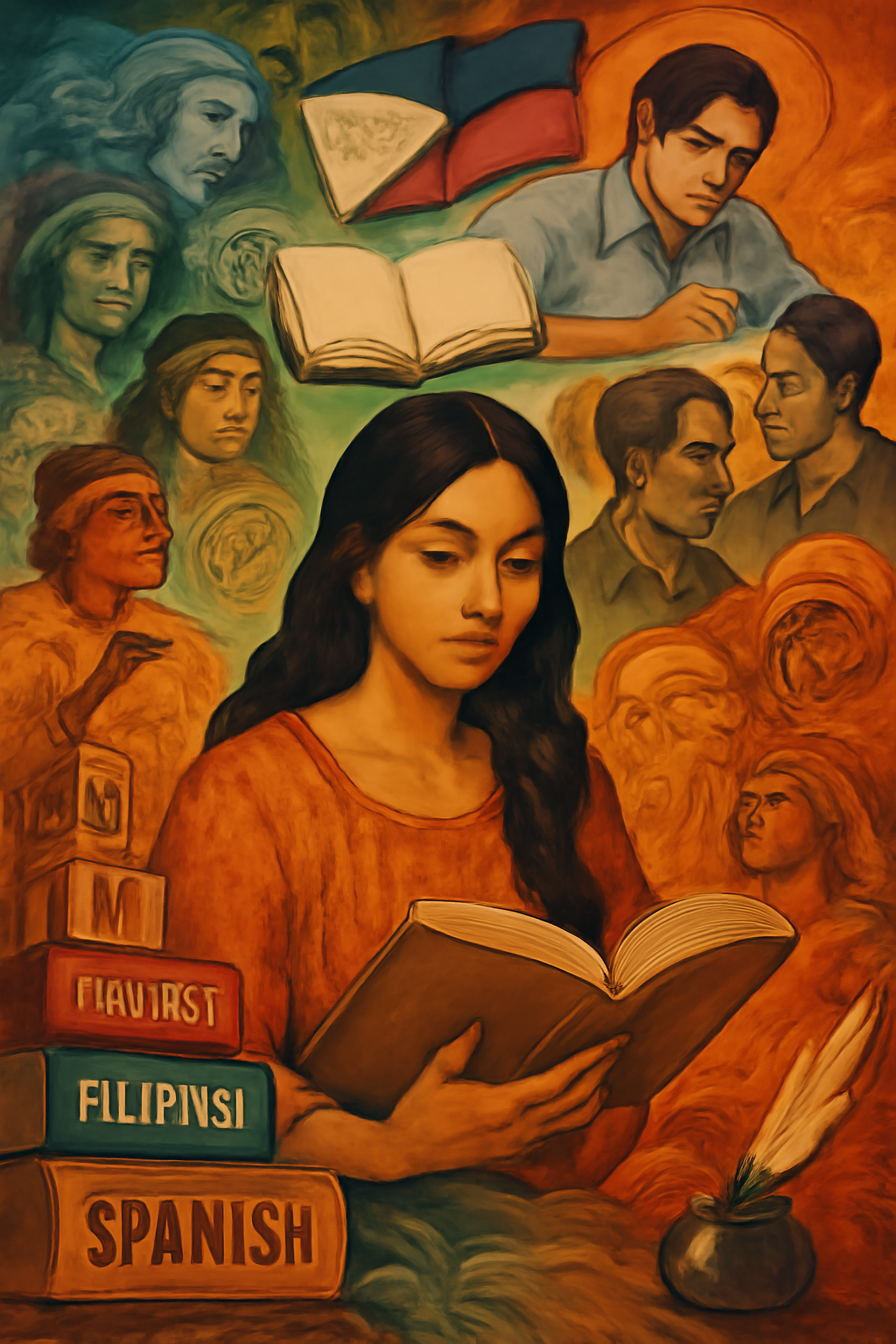
The literature of the Philippines provides a deep and multifaceted exploration of the country’s diverse identity. From pre-colonial oral traditions to contemporary written works, Philippine literature reflects the rich cultural landscape of the nation. The interplay of language and literature is particularly significant in the construction of Filipino identity, as both are constantly shaped by the country’s complex history, diverse cultures, and changing societal dynamics.
Filipino is the national language of the Philippines, derived from Tagalog, though many regional languages such as Cebuano, Ilocano, and Waray continue to thrive. With over 170 languages spoken throughout the country, linguistic diversity is a hallmark of Filipino culture. These various dialects, which each have their own distinct literary traditions, represent the unique identities of the different regions in the Philippines. Literature, as a reflection of these identities, is an invaluable tool for understanding the nuances of Filipino culture.
Pre-colonial literature in the Philippines was mostly oral, passed from one generation to another through storytelling. These tales, which included myths, legends, and folk epics, often focused on themes of heroism, community values, and respect for nature. Some of the most famous early works are the Biag ni Lam-ang from the Ilocos region and the Hinilawod of the Visayas. These epic tales, sung or narrated by community elders, were vital in preserving the cultural and historical knowledge of early Filipinos.
Spanish colonization in the 16th century brought significant changes to the Philippines, including the imposition of the Spanish language and Catholicism. During this period, Filipino writers began to produce works in Spanish, with many focusing on religious themes. However, the most impactful literary works of this era were those that critiqued the Spanish regime. José Rizal, for example, wrote his famous novels Noli Me Tangere and El Filibusterismo to expose the injustices of Spanish colonial rule. These works ignited nationalist sentiment among Filipinos and played a crucial role in the country’s struggle for independence.
The American period in the early 20th century introduced English as the language of education and governance. This created a new wave of Filipino writers who embraced English to communicate with a wider global audience. Writers such as Nick Joaquin, F. Sionil José, and Carlos Bulosan explored the complexities of Filipino identity in their works, often examining the tension between traditional Filipino values and Western influences. Their works captured the contradictions and challenges of a nation caught between two worlds—its native culture and the influence of its colonizers.
In the post-colonial era, Philippine literature has continued to evolve. Writers like Ninotchka Rosca and Jose Maria Sison used literature as a tool for political resistance, especially during the Marcos dictatorship. Their works reflected the struggles of Filipinos under authoritarian rule, as well as the ongoing fight for freedom and democracy. The rich literary tradition in both Filipino and English allows contemporary Filipino writers to explore complex social issues, including poverty, identity, migration, and family dynamics.
Philippine literature remains a dynamic and essential part of the country’s cultural expression. Through literature, Filipino writers continue to explore what it means to be Filipino, often reflecting the tensions between tradition and modernity, colonial and post-colonial influences, and the individual and collective experiences of the Filipino people.
In summary, language and literature have always played a crucial role in shaping Filipino national identity. Philippine literature is a testament to the country’s resilience, diversity, and commitment to preserving its cultural heritage. Through its literature, the Philippines continues to tell its unique story to the world.
You may also like
-
VRITIMES Exhibits at SUPPLYCON 2026 as Official Media Partner
-
Casino Plus, official presenter ng MassKara Festival 2026; Zeinab, Moonstar88, Baby Dolls, magpapasiklab sa 3-day concert
-
Gyukatsu BGC Brings Its Signature Japanese Beef Cutlet Experience to Park Triangle Mall
-
How an AI Communication Coach Helped a First-Generation Filipina Immigrant Find Her Voice
-
44th ASEAN Ministers on Energy Meeting (AMEM) and AEBF-26 Open in Manila, Marking New Milestones in ASEAN Energy Cooperation