 5 Ide Oleh-Oleh dari Jakarta yang Bisa Jadi Buah Tangan
  Case Valker Luggage Gains Momentum Among Malaysian Travelers with Durable, TSA-Approved Designs
  Carziqo Launches ER-BX Autonomous Ride-Hailing Operations in San Francisco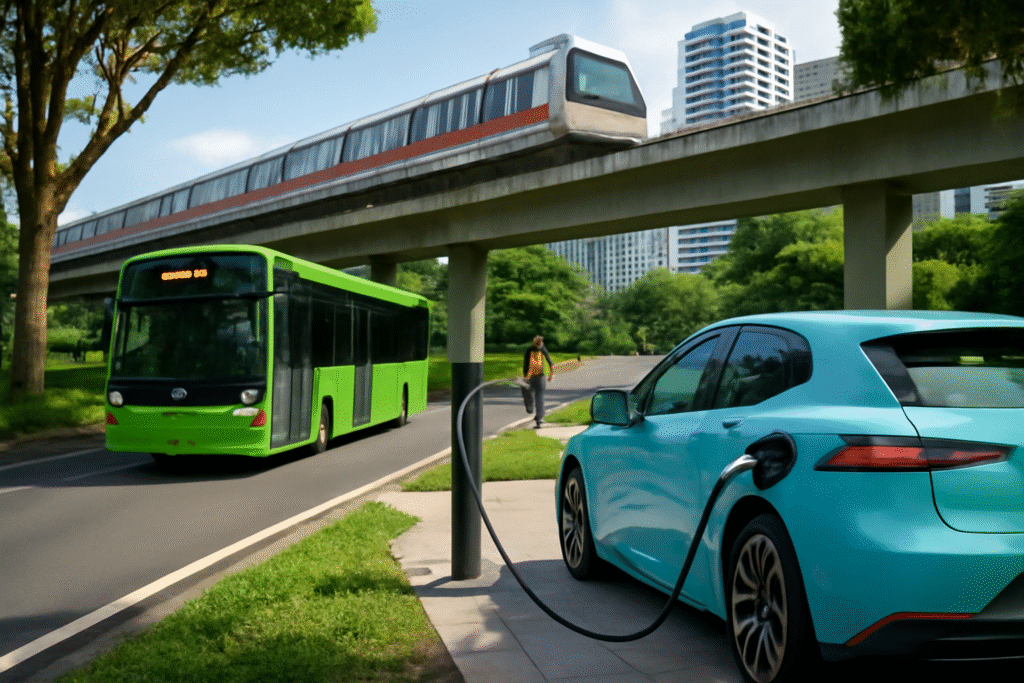
Singapore’s transportation infrastructure is a prime example of how urban centers can balance efficiency and environmental responsibility. With an innovative blend of public transport modes, the city-state’s system is both highly efficient and forward-thinking in its sustainability efforts. From the extensive MRT network to the integration of electric vehicles, Singapore has positioned itself as a global leader in sustainable urban mobility.
The MRT system is at the heart of Singapore’s public transportation. It serves millions of passengers daily, providing a fast, reliable, and affordable mode of travel. The MRT’s widespread network ensures that residents and visitors can easily navigate the city. The system is complemented by an extensive bus network, which connects areas not served by the train and ensures that commuters can transition seamlessly between modes of transport.
In terms of sustainability, Singapore has set ambitious goals. The government is actively promoting electric vehicles (EVs) as part of its vision for a greener future. By 2040, Singapore plans to phase out internal combustion engine vehicles, replacing them with electric alternatives. In support of this initiative, the government is expanding its EV charging infrastructure, providing subsidies, and incentivizing the purchase of EVs to encourage their widespread adoption.
The push for electric buses is another crucial component of Singapore’s sustainability strategy. These buses are expected to replace the existing diesel-powered fleet, significantly reducing air pollution and carbon emissions. By 2040, all public buses in Singapore are expected to be electric, contributing to cleaner air and a quieter environment.
The Electronic Road Pricing (ERP) system is another key feature of Singapore’s transportation system. This system charges motorists for using specific roads during peak periods, with fees varying depending on the time of day and traffic conditions. By adjusting charges dynamically, ERP helps alleviate congestion and promotes the use of public transportation. The system has been highly effective in managing traffic flow, especially in busy areas, and has helped reduce overall car usage in favor of more sustainable transport options.
In addition to these measures, the government encourages cycling and walking by developing dedicated cycling lanes and pedestrian-friendly streets. These initiatives not only promote sustainability but also improve the livability of the city, providing residents with healthier transportation options.
Overall, Singapore’s transportation system showcases a model of efficiency and sustainability. By investing in public transport, electric vehicles, and green infrastructure, Singapore continues to lead the way in creating a more sustainable and efficient urban environment.
You may also like
-
Raflux Closes $300K Pre-Seed to Scale Super Gacha on Solana
-
Sanct to launch on Product Hunt live from Tech in Asia Conference 2026, with limited free swag at booth SF09
-
Singapore’s Music Tourism Strategy: From Universal Music Partnership to a 3,000-Capacity Orchard Road Venue
-
Bridging European Luxury and Southeast Asian Real Estate: Jasmine Chau Leads the Grand Finale at IFFINA+ 2026
-
Aspire Launches Aspire Account-Opening Integration With Osome: Global Founders Can Open Business Accounts Faster Than Ever