 OJK Perketat Konten Kripto, Influencer Bisa Kena Denda Rp15 Miliar
  Perlindungan Konsumen dan Kesejahteraan Hewan: Urgensi Akreditasi Nasional bagi Klinik Hewan di Indonesia
  Hadapi Tantangan Suku Bunga, BRI Finance Perkuat Fundamental Bisnis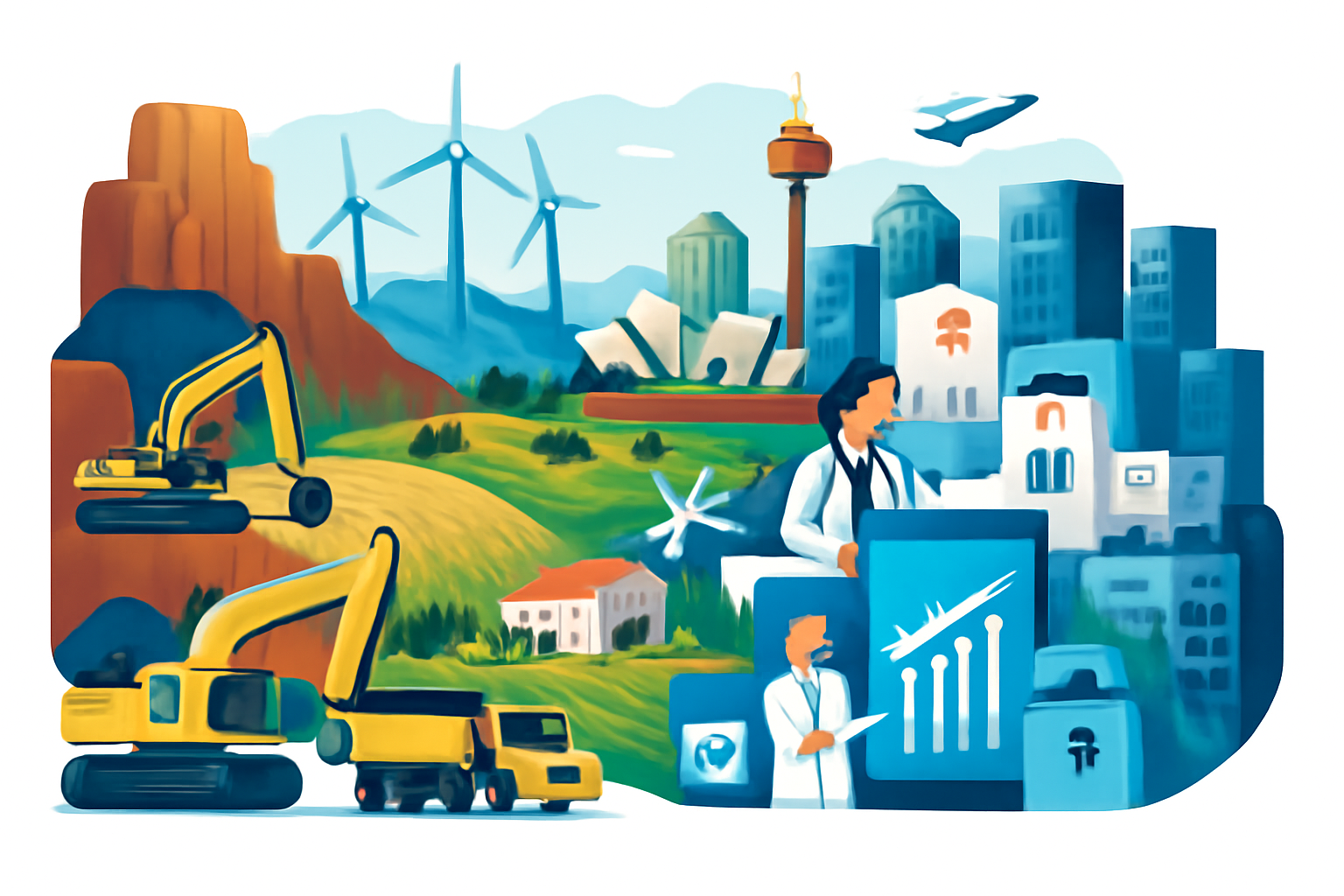
Australia’s economic success can be attributed to its abundant natural resources, industrial diversification, and the expanding digital economy. These elements form the foundation of Australia’s economic resilience and future growth potential, contributing to the country’s strong position in the global marketplace.
Natural Resources: Key to Economic Strength
Australia is fortunate to have vast reserves of natural resources, and this wealth has significantly contributed to its economic prosperity. The country is one of the largest exporters of coal, iron ore, gold, and liquefied natural gas (LNG). These resources fuel industrial activities worldwide, especially in energy and infrastructure development.
The mining sector remains one of the largest employers in Australia, providing thousands of jobs in extraction, logistics, and engineering. Over the years, Australian mining companies have pioneered new technologies in automation, data analytics, and environmental management, making Australia a leader in resource extraction and processing.
Australia’s agricultural sector is equally important, contributing significantly to the economy through exports of products like wool, wheat, beef, and wine. Australia’s farms benefit from cutting-edge technologies and sustainable practices that increase productivity and minimize environmental impact, which is essential for maintaining global competitiveness.
The shift toward renewable energy is another area of growth for Australia. With abundant wind, solar, and geothermal resources, the country is poised to take advantage of the growing global demand for clean energy. By investing in renewable technologies, Australia aims to reduce its carbon footprint and transition to a more sustainable economy.
A Diverse Economy: Expanding Beyond Resources
While Australia’s natural resources remain central to the economy, industries such as finance, healthcare, tourism, and manufacturing are vital to its diversification. The services sector, in particular, has seen remarkable growth in recent years, becoming the largest contributor to Australia’s GDP.
Australia has developed into a financial powerhouse in the Asia-Pacific region, with Sydney and Melbourne serving as key financial centers. The country’s financial services industry supports investment, trade, and international finance, providing a stable environment for businesses and investors.
Tourism is another industry that plays a significant role in Australia’s economy. The country’s world-renowned attractions, from the Great Barrier Reef to its vibrant cities, draw millions of visitors annually, generating substantial revenue in the hospitality and entertainment sectors.
Manufacturing in Australia has evolved to focus on high-value, technologically advanced products, including machinery, medical devices, and electronics. This shift reflects Australia’s strategy to move beyond traditional industries and embrace innovation, ensuring that its manufacturing sector remains competitive globally.
Healthcare in Australia is also a growing industry. The country’s universal healthcare system, combined with a thriving private sector, positions Australia to meet the increasing demand for medical services as its population ages. The healthcare industry contributes billions of dollars to the economy and supports a wide range of jobs in medical care, research, and technology.
Embracing the Digital Economy
Australia’s digital economy has experienced remarkable growth in recent years, transforming the way businesses operate and consumers interact. E-commerce, digital banking, and fintech are key drivers of this digital shift, enabling businesses to expand their reach and provide better services to consumers.
Australia is home to a flourishing fintech ecosystem, with numerous startups and established companies working on innovations in digital payments, blockchain technology, and online banking. The regulatory environment in Australia is designed to foster growth in this sector while ensuring consumer protection.
Cybersecurity is another critical area as Australia increasingly relies on digital infrastructure. The government and private sector are investing heavily in cybersecurity measures to protect the country’s digital economy from cyber threats and ensure the safety of consumer data.
The digital transformation also extends to government services, education, and healthcare. Australia is embracing e-government initiatives to improve efficiency and accessibility for citizens. Likewise, digital platforms are transforming the way healthcare and education are delivered, making these services more accessible, particularly for remote or underserved communities.
By fostering a strong digital economy alongside its traditional sectors, Australia is positioning itself to maintain long-term economic growth and competitiveness in the global marketplace.
You may also like
-
New financial year, new protections for telco consumers
-
What Foreign Businesses Should Know Before Expanding into Indonesia
-
How Companies Are Hiring in Indonesia Without Opening Offices
-
Indonesia Expands Visa-Free Access as Business Mobility Gains Strategic Importance
-
Introducing Canva Grow 2.0: Create, Launch, and Optimize Ads in One Place