 5 Ide Oleh-Oleh dari Jakarta yang Bisa Jadi Buah Tangan
  Case Valker Luggage Gains Momentum Among Malaysian Travelers with Durable, TSA-Approved Designs
  Carziqo Launches ER-BX Autonomous Ride-Hailing Operations in San Francisco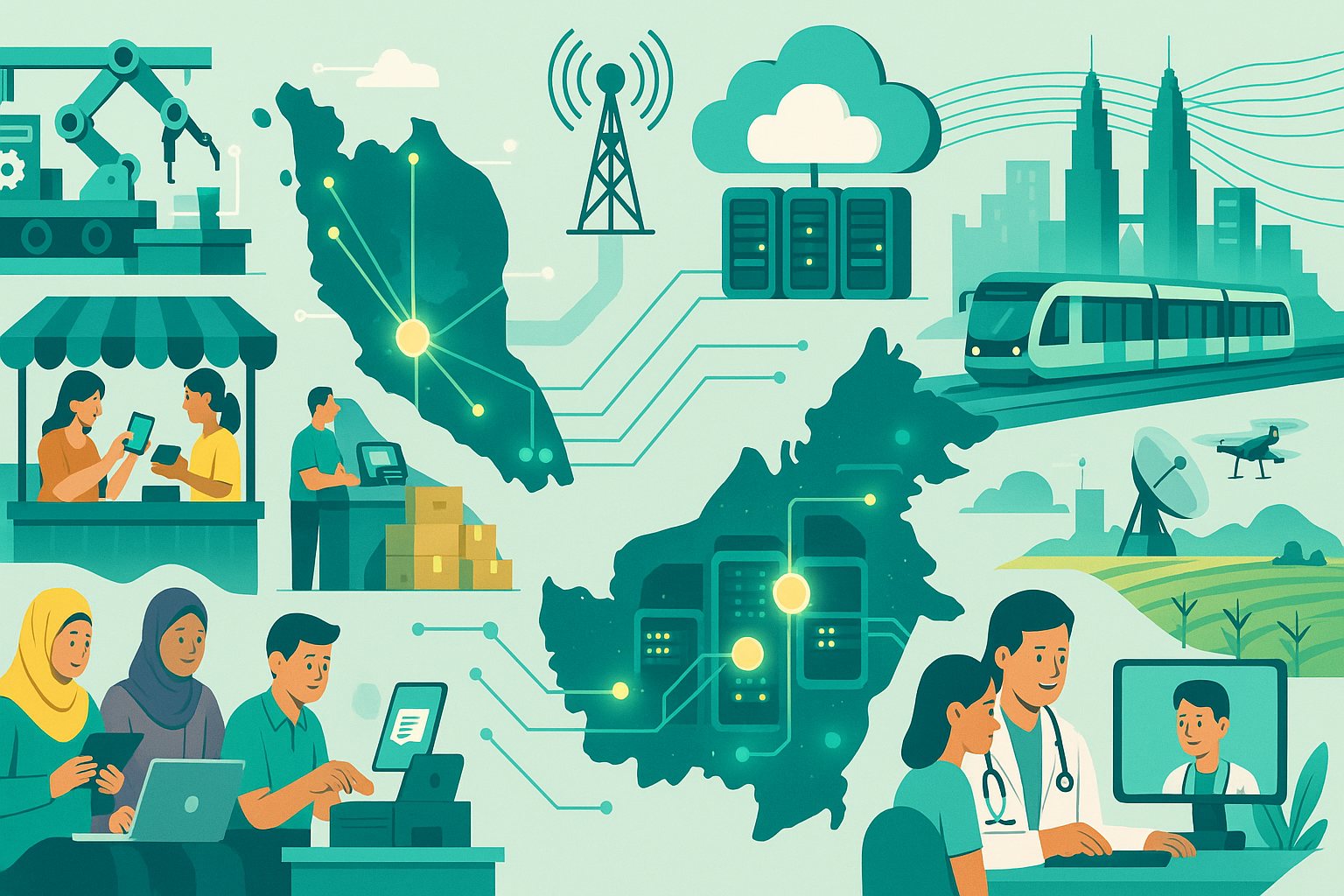
Digital transformation in Malaysia’s public sector is shifting from digitizing forms to redesigning services around citizen journeys. The goal is a government that is API-enabled, cloud-first, and user-centered, where agencies share data securely and services are delivered through cohesive, mobile-friendly experiences. This approach reduces friction for citizens and makes policy delivery measurable in real time.
A modern identity layer underpins the shift. With secure authentication and consent-based data sharing, people can access multiple services using a single profile, update personal information once, and have it propagate across systems. When paired with digital signatures, high-stakes transactions like licensing, land records, and company incorporations can be completed end-to-end online.
Cloud adoption unlocks agility. Instead of building bespoke data centers, agencies use elastic infrastructure, standardized platforms, and managed security controls. Containerized applications and microservices speed up deployment cycles and allow individual components—payments, notifications, document storage—to be reused across ministries.
Designing around life events changes incentives. Rather than offering siloed portals, government can bundle services for milestones such as starting a business, having a child, or retiring. Plain-language content, assisted channels for vulnerable users, and multilingual support ensure that digitization widens access instead of creating new barriers.
Data interoperability is critical. Common data models and secure data-sharing agreements allow agencies to verify eligibility instantly, reduce fraud, and target benefits accurately. Open-data portals for non-sensitive datasets enable researchers, journalists, and startups to build tools that improve public accountability and service quality.
Cybersecurity and resilience must be built in. Role-based access, logging, and incident response plans protect sensitive information, while continuous monitoring and red-team exercises keep defenses current. Service-level objectives—uptime, latency, transaction success rates—should be published to build trust and drive operational discipline.
Procurement reform accelerates delivery. Outcome-based contracts, lighter pilot pathways, and vendor pre-qualification reduce barriers for SMEs and startups with innovative solutions. GovTech teams that co-develop with agencies, test with users, and iterate quickly can deliver visible improvements without multi-year rewrites.
Digital government is also an economic multiplier. When licensing, tax filing, and trade documentation become faster and more predictable, the cost of doing business falls, attracting investment and encouraging formality. As the state models secure, high-quality digital services, private firms adopt similar standards, raising the overall bar for user experience and data protection.
The end state is a platform government: interoperable, measurable, and continuously improving, where policy intent turns into working software that citizens can trust and use every day.
You may also like
-
Case Valker Luggage Gains Momentum Among Malaysian Travelers with Durable, TSA-Approved Designs
-
Understanding Gold Purity: The Differences Between 999, 916, and 750 Gold
-
Greek Specialty Products in Malaysia: Showcasing Authentic Greek PDO and Traditional Products
-
TADs in Contemporary Orthodontics: Final Call for Registration
-
Gold Bars or Gold Dinar? Abdul Razak Gold House Breaks Down What Malaysian Investors Should Know