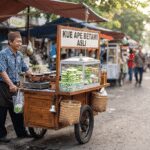
 5 Ide Oleh-Oleh dari Jakarta yang Bisa Jadi Buah Tangan
  Case Valker Luggage Gains Momentum Among Malaysian Travelers with Durable, TSA-Approved Designs
  Carziqo Launches ER-BX Autonomous Ride-Hailing Operations in San Francisco
The Philippine economy is deeply tied to its natural resources, which have been instrumental in propelling the country toward economic growth. The country is blessed with a variety of resources, from minerals to agricultural produce and marine life, all of which contribute to its diverse economic base. As the Philippines looks to continue its economic expansion, it must focus on sustainable practices that maximize the potential of these resources while protecting the environment for future generations.
One of the Philippines’ most valuable assets is its mineral resources. The country is rich in gold, copper, nickel, and other metals, making mining a vital part of the national economy. The Philippines ranks among the top producers of nickel, a metal in high demand for use in various industries, particularly electric vehicles and renewable energy technologies. The mining sector has contributed significantly to export revenues and job creation. However, environmental and social issues surrounding mining operations, including deforestation and the displacement of indigenous communities, have sparked controversy. To address these concerns, the Philippine government has taken steps to enforce stricter regulations to ensure that mining activities are conducted responsibly.
In addition to its mineral wealth, the Philippines also benefits from its fertile agricultural lands. The agricultural sector plays a major role in providing food and employment to millions of Filipinos, especially in rural areas. The Philippines is a major producer of coconut, which is used in various consumer products worldwide. Rice, sugarcane, and tropical fruits such as bananas and pineapples are also key exports. However, agriculture in the Philippines is highly vulnerable to the effects of climate change, including stronger typhoons, prolonged droughts, and shifting weather patterns. To combat this, the government has begun implementing initiatives aimed at enhancing agricultural resilience through better farming practices and infrastructure development.
The Philippines’ coastline, which spans over 36,000 kilometers, makes it one of the largest fishing nations globally. Marine resources are a major component of the country’s economy, providing food for millions of Filipinos and serving as a significant export industry. The fishing sector is central to the nation’s food security and economic stability. However, overfishing, coral reef degradation, and pollution pose ongoing threats to marine biodiversity and productivity. Efforts to protect marine ecosystems and ensure sustainable fishing practices are crucial for maintaining this vital industry.
Beyond the direct exploitation of natural resources, the Philippines also benefits from the services and manufacturing sectors, which have grown substantially in recent years. Business process outsourcing (BPO) is a shining example of how the country has leveraged its human capital to build an economy less reliant on resource extraction. However, ensuring that natural resource-based industries are sustainably managed is a priority for the country moving forward.
You may also like
-
Carziqo Launches ER-BX Autonomous Ride-Hailing Operations in San Francisco
-
Trans-Asiatic Trading Expands Distribution of Gerflor Streamo Marine Vinyl Flooring to Key Philippine Shipyards
-
‘Dragon King’ scores ₱122.4-M win in Casino Plus, says historic jackpot ‘felt like a dream’
-
VRITIMES Covers LogiSYM Philippines 2026, Alongside Transport & Logistics Philippines 2026
-
TPSW 2026 Photo Contest Invites Photographers to Spotlight Volunteerism Across Asia