 5 Ide Oleh-Oleh dari Jakarta yang Bisa Jadi Buah Tangan
  Case Valker Luggage Gains Momentum Among Malaysian Travelers with Durable, TSA-Approved Designs
  Carziqo Launches ER-BX Autonomous Ride-Hailing Operations in San Francisco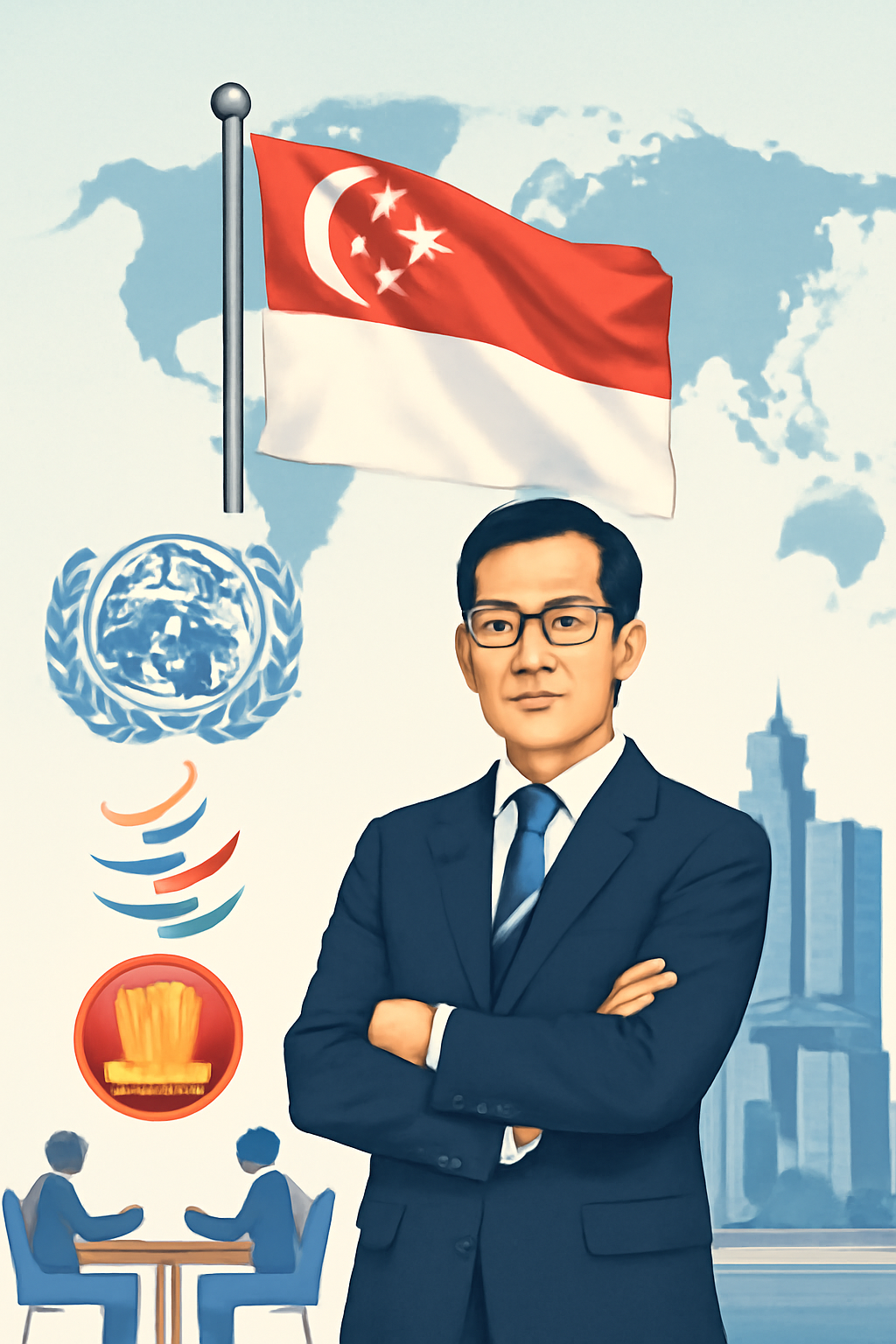
Singapore, though modest in both size and population, has established itself as a key player in global diplomacy. With its strategic location, stable economy, and commitment to multilateralism, the city-state has successfully cultivated a diplomatic network that spans the globe. By focusing on neutrality, economic diplomacy, and international cooperation, Singapore has demonstrated that even a small nation can have a profound impact on international relations.
At the heart of Singapore’s diplomatic strategy is its unwavering commitment to neutrality. The country has carefully avoided being drawn into conflicts between larger powers and has instead focused on fostering dialogue and cooperation between nations. This neutral position has allowed Singapore to build strong, trust-based relationships with countries from various regions, including the United States, China, and ASEAN members. This diplomatic balance has positioned Singapore as an important mediator in various international disputes.
Economically, Singapore punches well above its weight. Its status as a global financial hub and a central node in international shipping and trade has provided it with significant economic leverage. The city-state’s open and business-friendly policies have fostered a robust economy that supports diplomatic engagement with nations worldwide. Singapore’s leadership in regional and international trade agreements, such as the Trans-Pacific Partnership (TPP) and its role in the World Trade Organization (WTO), has reinforced its diplomatic clout.
Singapore’s active participation in multilateral institutions has also strengthened its global influence. As a member of the United Nations (UN) and ASEAN, the city-state has contributed to shaping discussions on critical issues such as peace, security, human rights, and climate change. In particular, Singapore has been an advocate for a rules-based international order and has worked to promote regional stability and economic integration within ASEAN. Singapore’s role in ASEAN has been key to fostering dialogue among Southeast Asian nations and advancing regional cooperation on a range of issues, from trade to disaster management.
One of Singapore’s most important diplomatic achievements is its role as a facilitator of peace and conflict resolution. The city-state has served as a neutral ground for numerous high-level talks and negotiations. The 2018 summit between U.S. President Donald Trump and North Korean leader Kim Jong-un, held in Singapore, is a prime example of the country’s diplomatic expertise. By hosting such a critical summit, Singapore demonstrated its ability to facilitate dialogue between adversarial parties, further cementing its reputation as a trusted and neutral diplomatic mediator.
In addition to its economic and diplomatic influence, Singapore has also earned international recognition for its efforts in promoting sustainable development. The city-state has been at the forefront of environmental diplomacy, advocating for policies that address climate change and promote green technology. Singapore’s experience in urban sustainability, water management, and energy efficiency has made it a valuable resource for countries seeking solutions to environmental challenges.
Through its strategic location, economic power, and commitment to neutrality, Singapore has carved out a distinctive place for itself in global diplomacy. Despite being a small nation, it has shown that effective diplomacy, active participation in multilateral organizations, and a focus on peace and stability can yield significant international influence.
You may also like
-
Raflux Closes $300K Pre-Seed to Scale Super Gacha on Solana
-
Sanct to launch on Product Hunt live from Tech in Asia Conference 2026, with limited free swag at booth SF09
-
Singapore’s Music Tourism Strategy: From Universal Music Partnership to a 3,000-Capacity Orchard Road Venue
-
Bridging European Luxury and Southeast Asian Real Estate: Jasmine Chau Leads the Grand Finale at IFFINA+ 2026
-
Aspire Launches Aspire Account-Opening Integration With Osome: Global Founders Can Open Business Accounts Faster Than Ever