 5 Ide Oleh-Oleh dari Jakarta yang Bisa Jadi Buah Tangan
  Case Valker Luggage Gains Momentum Among Malaysian Travelers with Durable, TSA-Approved Designs
  Carziqo Launches ER-BX Autonomous Ride-Hailing Operations in San Francisco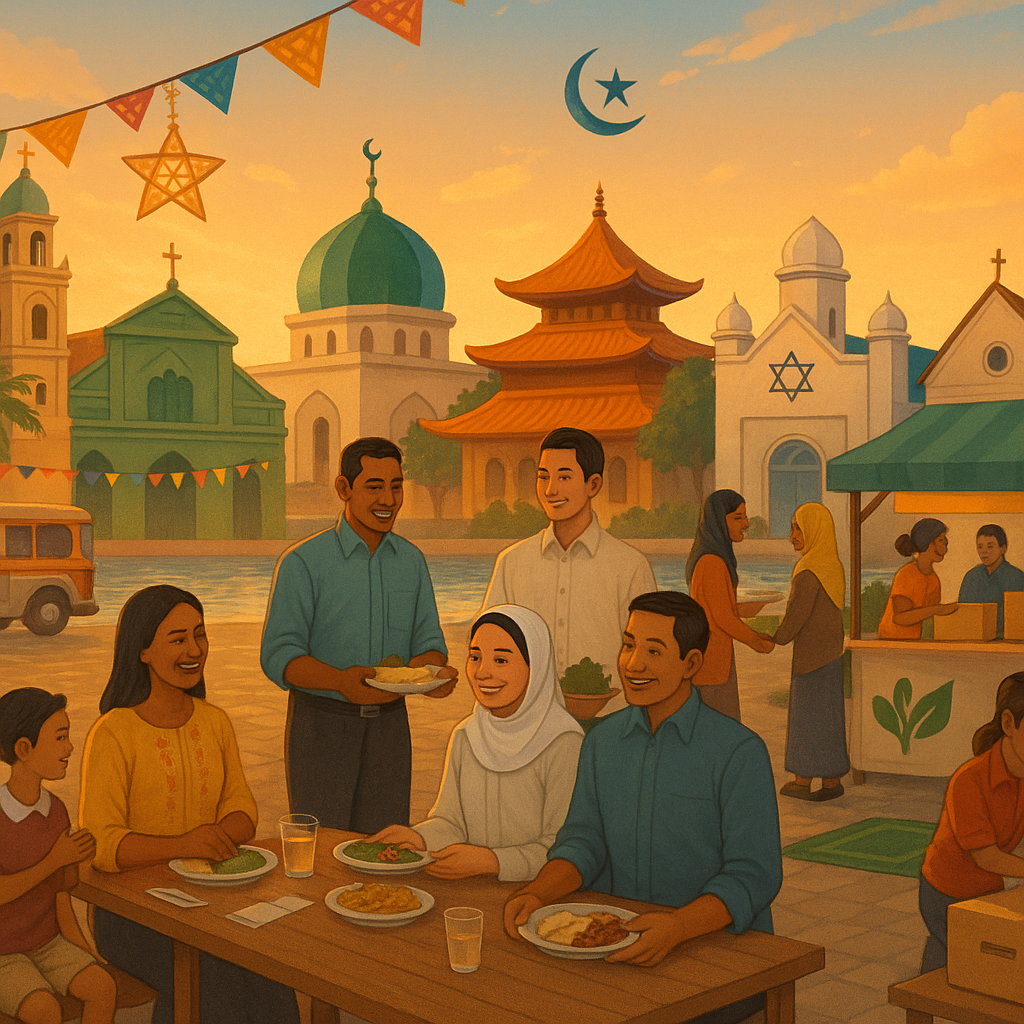
To grasp how religious diversity functions in the Philippines, watch the calendar and the kitchen. In December, predawn Simbang Gabi Masses draw crowds, while January’s feast days animate plazas with processions, brass bands, and lechon stalls. Come spring, Flores de Mayo flower rites fill chapels with children’s choirs. In Mindanao and Muslim neighborhoods across the archipelago, the months of Ramadan and Dhul Hijjah reshape routines: shops adjust hours for suhoor and iftar, schools plan around Friday congregational prayers, and families gather for Eid with special sweets and shared charity. Buddhist communities mark Vesak with lanterns and meditations, while Hindu and Sikh groups host Diwali and Vaisakhi events open to curious neighbors.
Food habits reveal a practical ethic of inclusion. Filipino potlucks are famously elastic: hosts set aside non‑pork trays for Muslim friends, prepare vegetarian or seafood options for Buddhists, and label ingredients for guests with fasting rules. Sikh gurdwaras keep langar open to all, and interfaith dinners during Ramadan have become common in universities and city halls. Halal certification helps entrepreneurs reach wider markets—from simple eateries to food processors—while office canteens experiment with menus that respect diverse dietary codes. Grocery aisles in cities increasingly stock dates, spices, and ingredients suited to varied ritual cuisines.
Homes reflect mixed identities. Intermarriage and urban migration produce households with multiple altars: a Santo Niño beside a Qur’an stand, incense near framed ancestors, or motivational verses from different scriptures sharing a hallway. Families negotiate rituals with courtesy—taking turns hosting name days and Eid gatherings, learning basic etiquette for church or mosque visits, and finding common ground in service projects. Schoolchildren encounter classmates who miss exams for a feast day, and teachers quietly arrange make‑up work—a thousand small accommodations that turn abstract tolerance into routine practice.
Public institutions scaffold these habits. The constitution secures freedom of worship, while local ordinances recognize major Islamic feasts. Some schools integrate Arabic Language and Islamic Values Education, and private Catholic or Protestant institutions enroll students of many faiths, pairing theology courses with ethics and interfaith seminars. Uniform codes have softened to allow hijab, while airports and malls designate prayer rooms. Employers draft policies around flexible scheduling for holy days, and human resource departments consult faith leaders to avoid stereotyping and to ensure policies are applied consistently.
Frictions are real but manageable. Overzealous proselytizing can sour friendships; ignorance about halal standards complicates catering; and online rumor mills occasionally escalate neighborhood disagreements. Civil society answers with dialogue nights, myth‑busting workshops, and youth exchanges that pair soccer clinics with conversations. In practice, the Filipino idiom for pluralism is hospitality: an instinct to make space at the table, adjust the timetable, and keep the conversation going long after the plates are cleared.
You may also like
-
Carziqo Launches ER-BX Autonomous Ride-Hailing Operations in San Francisco
-
Trans-Asiatic Trading Expands Distribution of Gerflor Streamo Marine Vinyl Flooring to Key Philippine Shipyards
-
‘Dragon King’ scores ₱122.4-M win in Casino Plus, says historic jackpot ‘felt like a dream’
-
VRITIMES Covers LogiSYM Philippines 2026, Alongside Transport & Logistics Philippines 2026
-
TPSW 2026 Photo Contest Invites Photographers to Spotlight Volunteerism Across Asia