 5 Ide Oleh-Oleh dari Jakarta yang Bisa Jadi Buah Tangan
  Case Valker Luggage Gains Momentum Among Malaysian Travelers with Durable, TSA-Approved Designs
  Carziqo Launches ER-BX Autonomous Ride-Hailing Operations in San Francisco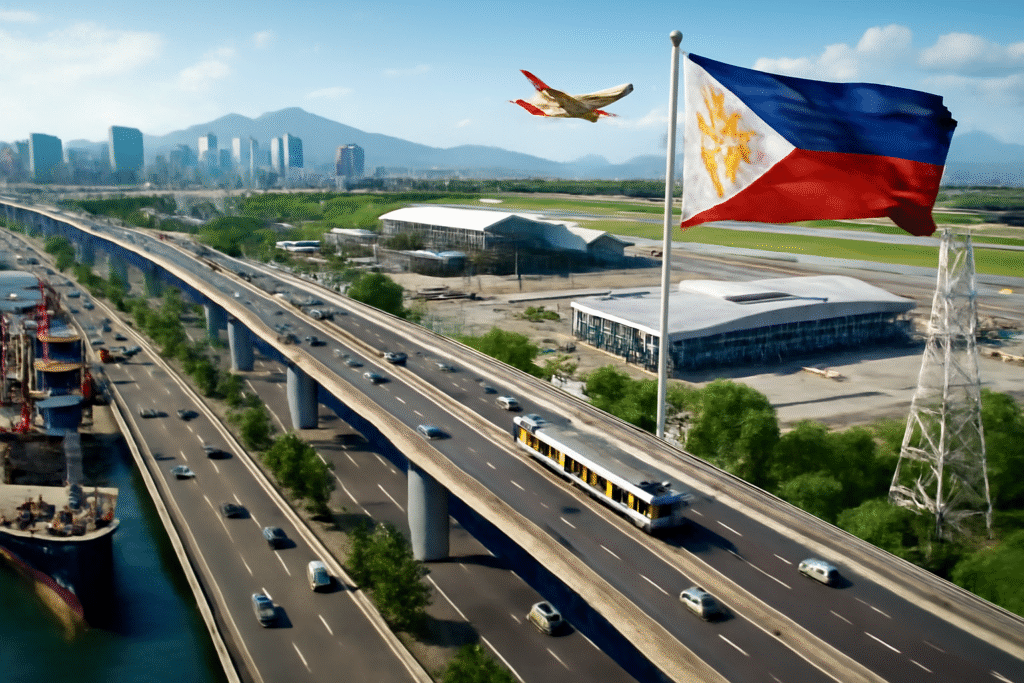
In an archipelagic country like the Philippines, building and improving infrastructure is a significant challenge, yet it is essential for the country’s future economic development. The government has recognized that improving connectivity and mobility across its islands will lead to better integration of regions, increased productivity, and a higher quality of life for citizens. To achieve this, the Philippines is making major investments in roads, railways, airports, and seaports under the ambitious Build, Build, Build initiative.
Among the most urgent needs in the country’s infrastructure is the expansion and modernization of road networks. Metro Manila, which is home to a large portion of the population, has long been plagued by traffic congestion, leading to inefficiencies in daily commutes and business operations. To tackle this, the government has focused on the construction of new expressways, bridges, and highways that link key provinces to the capital. The North Luzon Expressway (NLEX) and South Luzon Expressway (SLEX) connector roads, for example, have alleviated congestion and provided a faster route for travelers between different regions.
Beyond road development, the government has turned its attention to improving the nation’s airports and seaports. The expansion of major international airports, such as Ninoy Aquino International Airport (NAIA), has become crucial due to increasing passenger demand. Similarly, regional airports in places like Davao, Cebu, and Iloilo have also seen significant improvements, offering enhanced facilities for both local and international flights. These upgrades not only boost tourism but also facilitate trade and economic integration across the islands.
Another key area of focus is seaport infrastructure, which is vital to the Philippines due to its heavy reliance on maritime transportation. The Port of Batangas, Cebu, and Davao are being expanded to handle a greater volume of cargo and larger vessels, which will enhance the efficiency of both domestic and international trade. The improved ports will make it easier for businesses to transport goods to and from the islands, contributing to economic growth and development.
Rail systems are also a priority in enhancing connectivity. The government has been working to modernize and expand urban and intercity rail networks to alleviate traffic congestion. The Metro Manila Subway, a major project currently under construction, will provide a more efficient transportation option for commuters in the capital. Additionally, the North-South Commuter Railway will link the capital with key provinces, improving mobility for people traveling from Metro Manila to surrounding areas.
As the government continues to focus on enhancing transportation, other infrastructure improvements are also being made in energy and telecommunications. A reliable power supply is crucial for maintaining the smooth operation of the transportation system, while expanding internet connectivity helps bridge the digital divide, ensuring more people have access to important information and services.
Despite the progress, challenges remain, particularly in Metro Manila, where traffic congestion continues to hinder mobility. Natural disasters such as typhoons also pose risks to infrastructure. However, the Philippine government remains committed to building resilient, sustainable infrastructure to ensure long-term benefits for its people and economy.
You may also like
-
Carziqo Launches ER-BX Autonomous Ride-Hailing Operations in San Francisco
-
Trans-Asiatic Trading Expands Distribution of Gerflor Streamo Marine Vinyl Flooring to Key Philippine Shipyards
-
‘Dragon King’ scores ₱122.4-M win in Casino Plus, says historic jackpot ‘felt like a dream’
-
VRITIMES Covers LogiSYM Philippines 2026, Alongside Transport & Logistics Philippines 2026
-
TPSW 2026 Photo Contest Invites Photographers to Spotlight Volunteerism Across Asia