 5 Ide Oleh-Oleh dari Jakarta yang Bisa Jadi Buah Tangan
  Case Valker Luggage Gains Momentum Among Malaysian Travelers with Durable, TSA-Approved Designs
  Carziqo Launches ER-BX Autonomous Ride-Hailing Operations in San Francisco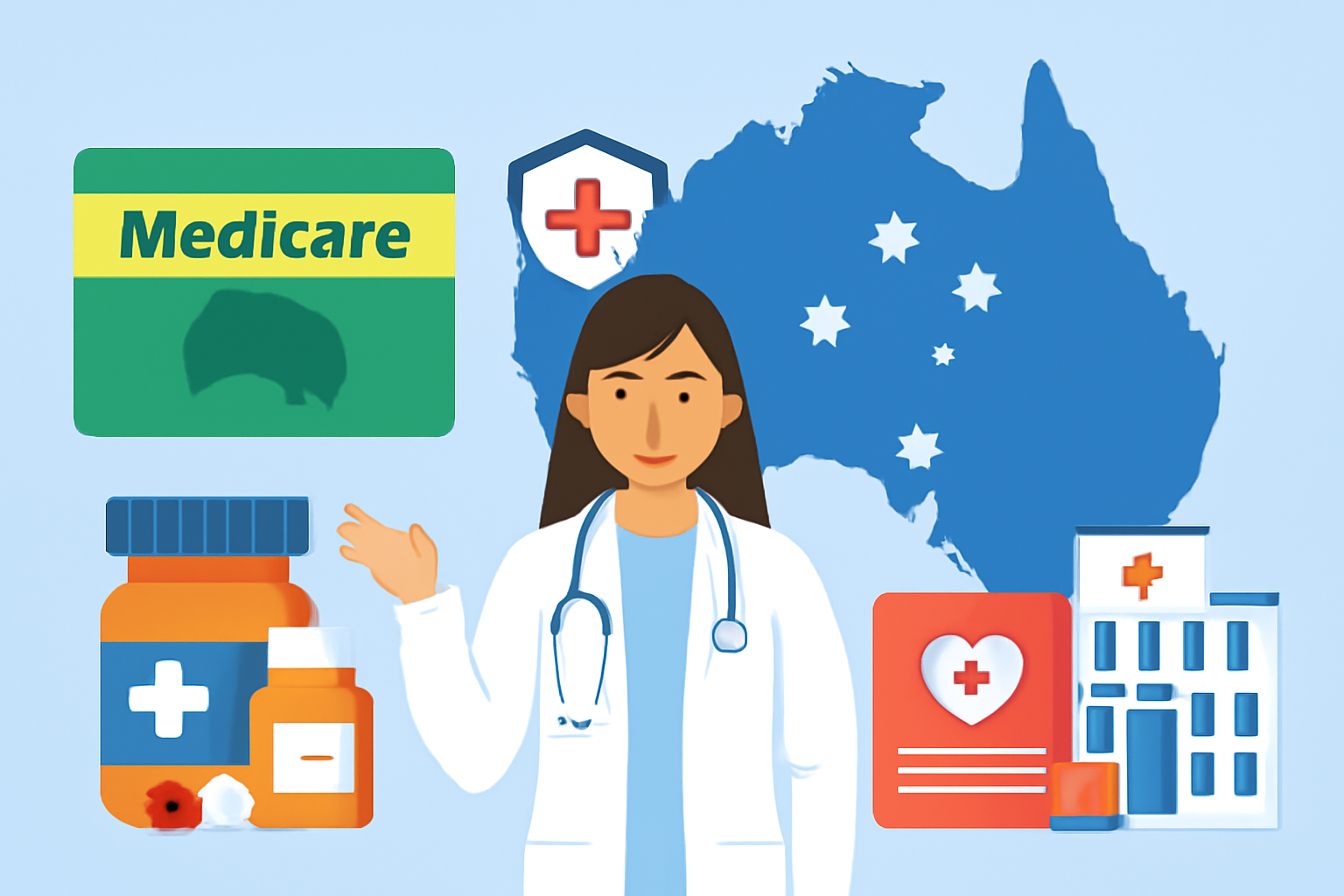
Australia’s healthcare system is recognized for its commitment to providing affordable and inclusive medical care to all citizens and residents. The Australian government’s emphasis on universal healthcare ensures that individuals are able to access essential healthcare services, regardless of their financial status or location. At the heart of this system is Medicare, which covers the majority of the country’s healthcare needs and serves as a model for other nations.
The Medicare program, established in 1984, is a public health insurance system that guarantees all Australian citizens and permanent residents access to necessary healthcare services. It covers a broad spectrum of healthcare services, including medical consultations, hospital care, and some medical procedures, all funded through a combination of general taxes and a Medicare levy imposed on income. This ensures that people from all walks of life can receive medical care without the need for substantial out-of-pocket payments, providing financial relief for individuals who may struggle to afford private healthcare.
Despite its extensive coverage, private health insurance is often sought by Australians who want additional benefits that Medicare doesn’t cover, such as dental, optical, and physiotherapy services. Private health insurance also allows for quicker access to non-urgent treatments and surgeries, helping to reduce wait times in the public system. The Australian government incentivizes the uptake of private health insurance through rebates, lowering the cost of premiums and further easing the financial burden of private care.
The Pharmaceutical Benefits Scheme (PBS) is another key pillar of Australia’s healthcare system. Through this scheme, Australians can obtain a wide range of prescription medications at reduced prices. This is especially important for individuals with chronic conditions who require ongoing medication, as it significantly lowers the financial strain of buying medications. The PBS helps make necessary treatments accessible to a larger segment of the population, contributing to improved public health.
Australia’s public hospitals play a crucial role in the healthcare system. They offer a wide range of services, including emergency care, surgery, maternity care, and specialized treatments, all without any direct cost to patients. Public hospitals are essential in rural and remote areas, where access to private healthcare may be limited or unavailable. In these regions, public hospitals are often the only source of healthcare, ensuring that all Australians receive necessary medical care, regardless of where they live.
The Australian healthcare system also places great importance on primary healthcare. General practitioners (GPs) serve as the first point of contact for patients, diagnosing and managing common health conditions and referring patients to specialists when needed. GPs are also instrumental in managing chronic conditions, providing preventive care, and helping reduce hospital admissions. By addressing health issues early and offering ongoing care, GPs help maintain better long-term health outcomes and reduce the overall burden on hospitals.
Preventive care is also a critical focus in Australia’s healthcare model. The government supports programs that promote healthy lifestyles, such as initiatives to combat smoking, encourage physical activity, and improve diet. Public health campaigns on these topics help reduce the prevalence of preventable diseases and lessen the long-term strain on the healthcare system.
While Australia’s healthcare system is highly regarded for its affordability and accessibility, it does face challenges such as the rising cost of medical treatments and an aging population. However, with its emphasis on universal healthcare, private insurance options, subsidized medications, and preventive care, Australia continues to offer a robust healthcare system that meets the needs of its diverse population.
You may also like
-
The Missing Breastfeeding Conversation: What Happens Six Months After Discharge?
-
The finishing touches on George Street’s transformation
-
Momcozy and Midwife Bianca Burge Call for Breastfeeding Support Built Around Real Life
-
UNSW Sydney launches first Enterprise Data Strategy
-
K-BEAUTY IS LANDING AT COLES AS SUPERMARKET SKINCARE GETS A GLOW-UP