 Tak Lagi Kesulitan Air, Warga Semanan Kini Nikmati Layanan Dari IPA Portabel PAM JAYA
  KAI Daop 2 Bandung Imbau Masyarakat Disiplin Berlalu Lintas di Perlintasan Sebidang Demi Keselamatan Bersama
  Kurs Nilai Tukar Rupiah Terus Melemah di Tengah Ketidakpastian Global, Bittime Hadirkan IDR Swap Zero Fee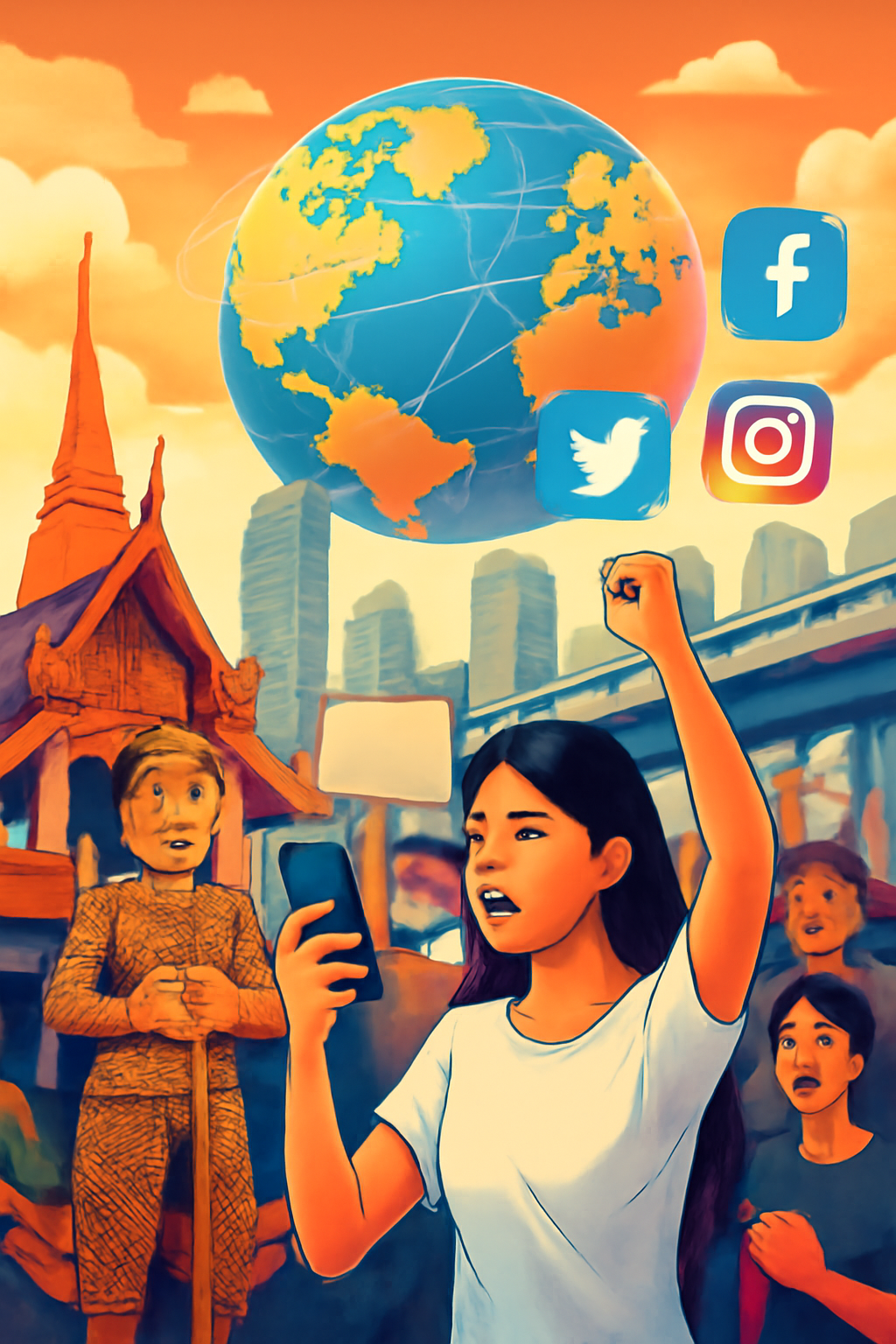
In the modern era, Thailand’s social fabric is undergoing significant shifts, largely due to the combined influence of globalization and the proliferation of social media. These forces have transformed various aspects of Thai life, including culture, politics, and the economy, leading to both exciting opportunities and complex challenges for the nation. As Thailand becomes more interconnected with the rest of the world through international trade, technology, and digital media, the country is experiencing a rapid evolution in how people think, communicate, and behave.
Globalization has brought about a deep transformation in Thailand’s economy and culture. The opening up of global markets and the influx of foreign investments have led to the growth of industries such as tourism, retail, and manufacturing. Large multinational corporations have established a presence in Thailand, leading to more job opportunities and higher standards of living for many urban dwellers. However, this economic boom has also created a sharp divide between the wealthier urban populations and rural communities, where access to global opportunities and modern technology remains limited.
Culturally, globalization has introduced new values and ways of life, often clashing with Thailand’s deep-rooted traditions. Western culture, particularly through media and consumer goods, has had a significant impact on younger generations, who are more likely to adopt global fashion trends, entertainment, and lifestyles. This cultural shift is particularly visible in urban centers, where global influences are more pronounced. At the same time, there is a growing concern about the preservation of Thai cultural heritage, as traditional customs and values sometimes conflict with modern global practices.
Social media, meanwhile, has become an increasingly important aspect of Thai society. The rise of digital platforms like Facebook, Twitter, and Instagram has changed the way people communicate, interact, and participate in social and political life. These platforms have become essential tools for self-expression, enabling users to share personal experiences, opinions, and creative content. Social media has also played an instrumental role in the democratization of information, giving ordinary people the ability to engage in conversations that were previously limited to mainstream media.
A significant effect of social media has been its role in political activism. Over the last few years, social media platforms have been used to organize protests, discuss political issues, and challenge government authority. The youth-led protests in 2020 were a prime example of how social media could drive political change. Young people, frustrated by political corruption and lack of democratic freedoms, used social media to rally support and share their message with the world. These platforms allowed protesters to gain visibility on a global scale, amplifying their calls for reform.
However, the rise of social media also comes with drawbacks. The rapid spread of misinformation and the tendency for online platforms to become echo chambers have created challenges in Thailand. Online misinformation can lead to confusion, incite panic, or fuel political divisions. The government has responded by attempting to regulate online content, though this has sparked debates about censorship and freedom of expression. The delicate balance between maintaining order and allowing for free speech remains a contentious issue in Thai society.
In addition to social and political changes, social media has had a significant impact on Thailand’s economy. The growth of e-commerce and online businesses has provided new opportunities for entrepreneurs, enabling them to reach global markets with just a few clicks. The digital revolution has also reshaped consumer behavior, with more people opting for online shopping and digital services, altering the traditional retail landscape.
Globalization and social media are undeniably shaping the future of Thai society. While they have brought about considerable progress in terms of economic development, political engagement, and cultural exchange, they have also introduced challenges related to cultural preservation, political polarization, and information integrity. Thailand’s ability to harness the benefits of these forces while mitigating their negative impacts will be crucial in shaping the nation’s path forward.
You may also like
-
แนวโน้มการซื้อขายชั้นนำในเอเชียตะวันออกเฉียงใต้: ภาพรวมของสิ่งที่เกิดขึ้นในปี พ.ศ. 2569 จนถึงตอนนี้
-
METT Singapore จับมือ UPGroup Asia และ The MasterPlan ในฐานะพันธมิตรหลัก เพื่อยกระดับศักยภาพสถานที่จัดงานและอุตสาหกรรม MICE ในสิงคโปร์
-
SusHi Tech Tokyo 2026 – งานประชุมนวัตกรรมระดับโลกที่ใหญ่ที่สุดในเอเชีย จะจัดขึ้นที่โตเกียว ขับเคลื่อนเมืองยั่งยืนด้วยเทคโนโลยีขั้นสูง
-
Ractive Digital Demonstrates Measurable Growth Impact for Brands in Thailand’s Competitive Digital Market
-
Ractive Digital Launches Data Driven Marketing Framework to Help Thai Businesses Compete in a Digital First Economy