 5 Ide Oleh-Oleh dari Jakarta yang Bisa Jadi Buah Tangan
  Case Valker Luggage Gains Momentum Among Malaysian Travelers with Durable, TSA-Approved Designs
  Carziqo Launches ER-BX Autonomous Ride-Hailing Operations in San Francisco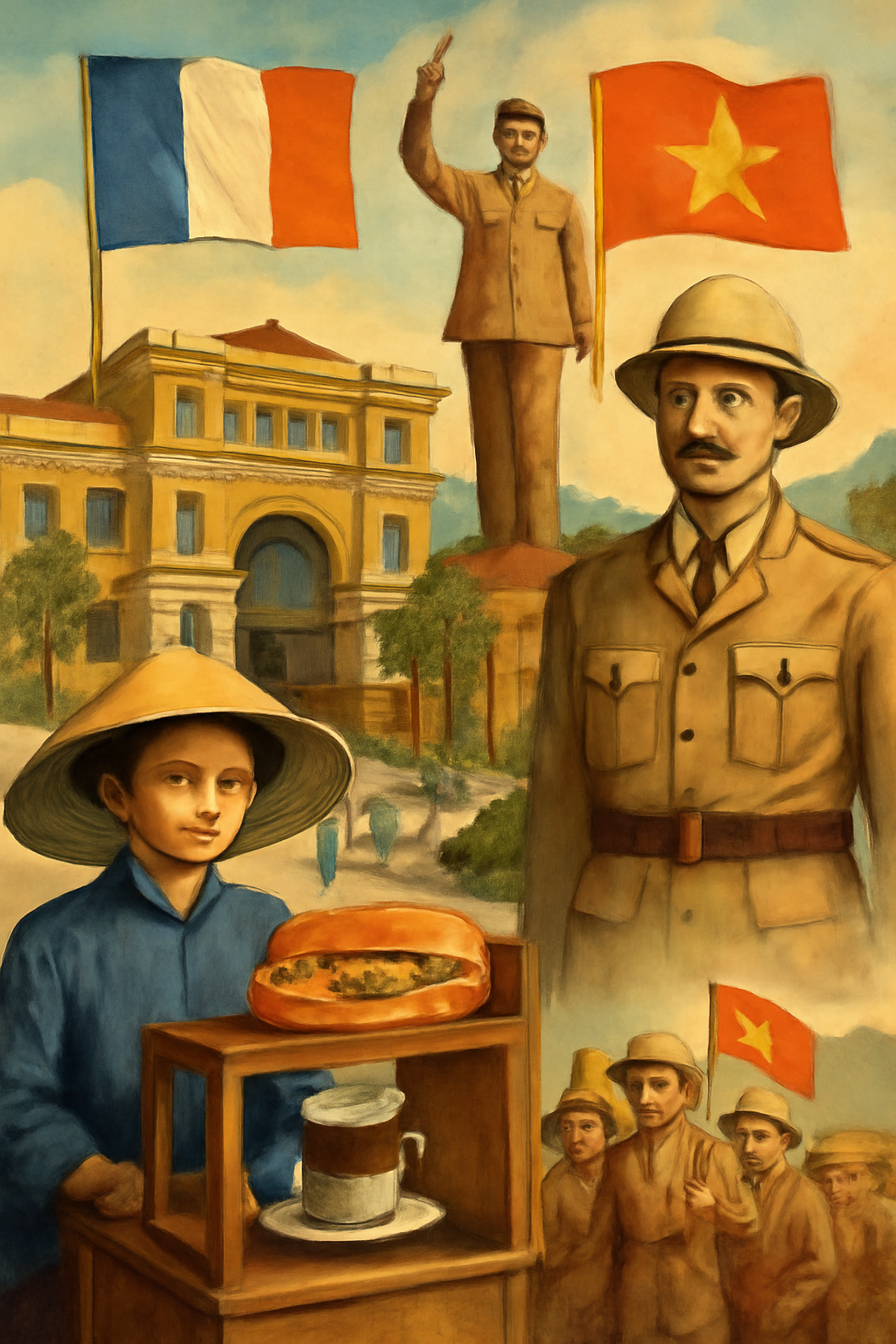
The French colonization of Vietnam, which began in the mid-1800s and ended in 1954, is one of the most significant periods in the country’s modern history. The impact of French colonial rule is deeply ingrained in Vietnam’s political structure, cultural landscape, and daily life. From the exploitation of resources to the introduction of new systems and ideas, the French influence remains visible in Vietnam today.
Under French colonial rule, Vietnam was governed as part of French Indochina. The French implemented a centralized system of administration, eroding the power of the traditional Vietnamese monarchy and replacing it with a colonial government. The French focused on extracting resources from Vietnam, particularly rubber, rice, and minerals, to support their own economy. This exploitation was accompanied by an extensive system of forced labor, particularly in the agricultural and industrial sectors.
The French presence also reshaped the cultural and social fabric of Vietnam. One of the most visible signs of French influence is the architecture, which can still be seen in cities like Hanoi and Ho Chi Minh City. French-style buildings, such as the grand Hanoi Opera House, with its neoclassical design and wide, tree-lined boulevards, give a distinct European flavor to these cities. French influence extended to urban planning as well, with the layout of many major cities incorporating European-style streets and squares.
In terms of language, the French introduced their language as the medium of education and administration. French became the language of the elite and the educated, and the use of French words in the Vietnamese language became widespread. This linguistic legacy can still be seen today, especially in areas related to law, government, and food.
Cuisine is another area where French influence has had a lasting effect. French breads, pastries, and coffee were introduced to Vietnam, and local adaptations soon emerged. The “banh mi,” a Vietnamese sandwich made with a French baguette, is one of the most famous examples of this fusion. The French also introduced their coffee culture, leading to the widespread consumption of strong coffee mixed with condensed milk, which became known as “cà phê sữa đá.”
Despite the positive cultural contributions, the exploitation of Vietnam’s resources and people by the French led to growing resentment and a rise in nationalist movements. The French resistance to granting independence to Vietnam eventually culminated in the First Indochina War, which ended with the decisive victory of the Vietnamese at Dien Bien Phu in 1954. This victory marked the end of French colonial rule, but the enduring legacy of French colonialism can still be felt in many aspects of Vietnamese life today.
You may also like
-
CRNK đưa mũ bảo hiểm thông minh Hàn Quốc vào thị trường Việt Nam
-
LPIXEL hợp tác với VNPT-IT cung cấp AI hỗ trợ chẩn đoán hình ảnh y tế “EIRL” tại Việt Nam
-
LA TRỊNH atelier mang “Gods Within Her” đến Milan, kể câu chuyện về tính nữ và văn hóa Việt
-
LA TRỊNH ATELIER GIỚI THIỆU SHOW THỜI TRANG “GODS WITHIN HER” TẠI MILAN
-
Karen Barmaki: Sự cộng hưởng sáng tạo giữa lòng hang Ngọc Rồng tại AADA 2026