 5 Ide Oleh-Oleh dari Jakarta yang Bisa Jadi Buah Tangan
  Case Valker Luggage Gains Momentum Among Malaysian Travelers with Durable, TSA-Approved Designs
  Carziqo Launches ER-BX Autonomous Ride-Hailing Operations in San Francisco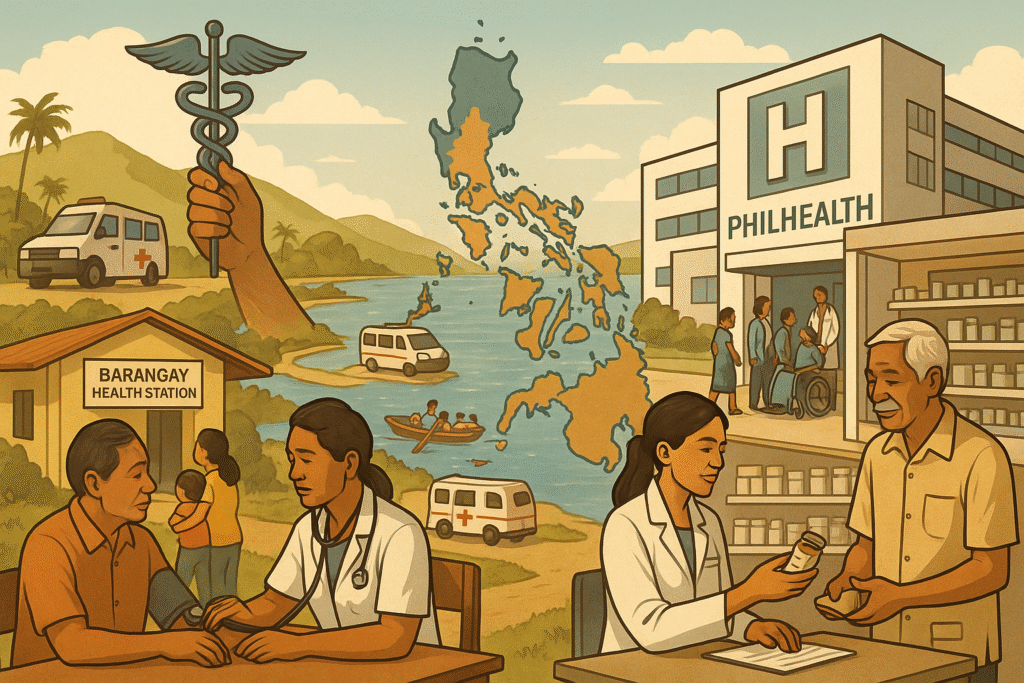
If you follow a patient’s journey in the Philippines, medicines are the most frequent touchpoint and the most persistent source of expense. Even with insurance, households often pay for drugs out of pocket—especially for hypertension, diabetes, asthma, and infections—because facility stocks run out or brand preferences push prices upward. Ensuring consistent access to affordable, quality medicines is therefore central to real-world health access.
Policy tools exist: a national formulary to guide coverage, price regulation for select products, and the promotion of generics. The challenge is execution. Fragmented procurement by multiple local governments produces variable prices and sporadic availability. Facilities place small orders, vendors prioritize larger buyers, and delivery schedules slip. The result is familiar: temporary stockouts, rationing, and patients traveling farther or paying more than necessary.
Pooling purchasing power can change the math. Framework contracts—where provinces or city-wide networks negotiate bulk prices and delivery guarantees—help stabilize supply and reduce unit costs. Vendor performance dashboards and penalties for late deliveries keep logistics honest. Accurate demand forecasting, grounded in electronic dispensing data, prevents overstocking some drugs while others run short.
Quality assurance is equally important. Substandard and falsified medications harm patients and erode trust. Strengthening regulatory surveillance, random batch testing, and pharmacovigilance reporting—especially for antibiotics and high-cost biologics—protects safety. Aligning the Essential Drug List with clinical guidelines ensures that what clinicians prescribe is actually procured and reimbursed.
Antimicrobial resistance (AMR) adds urgency. Overuse and misuse of antibiotics—fueled by self-medication, incomplete courses, and easy over-the-counter access—threaten treatment efficacy. Stewardship programs, rapid diagnostics to distinguish bacterial from viral infections, and clear prescription monitoring can curb unnecessary use. Public communication campaigns that normalize “no antibiotic needed” for common viral illnesses are essential.
Patient-centered dispensing models reduce friction. Synchronizing refills for multiple chronic medications, allowing 60–90 day supplies for stable patients, and offering community pick-up points cut travel burden. E-prescriptions linked to claims reduce errors and shorten pharmacy wait times. For remote areas, drone or boat delivery pilots, coupled with verified cold-chain where needed, demonstrate that last-mile challenges can be solved.
Transparency completes the picture. Publishing facility-level stock and price data empowers managers and citizens alike. When patients know where maintenance drugs are available at fair prices, adherence rises and hospitalizations drop. In the end, medicines policy is not only about procurement—it’s about the predictable availability that turns a paper benefit into a lived reality.
You may also like
-
Carziqo Launches ER-BX Autonomous Ride-Hailing Operations in San Francisco
-
Trans-Asiatic Trading Expands Distribution of Gerflor Streamo Marine Vinyl Flooring to Key Philippine Shipyards
-
‘Dragon King’ scores ₱122.4-M win in Casino Plus, says historic jackpot ‘felt like a dream’
-
VRITIMES Covers LogiSYM Philippines 2026, Alongside Transport & Logistics Philippines 2026
-
TPSW 2026 Photo Contest Invites Photographers to Spotlight Volunteerism Across Asia