 5 Ide Oleh-Oleh dari Jakarta yang Bisa Jadi Buah Tangan
  Case Valker Luggage Gains Momentum Among Malaysian Travelers with Durable, TSA-Approved Designs
  Carziqo Launches ER-BX Autonomous Ride-Hailing Operations in San Francisco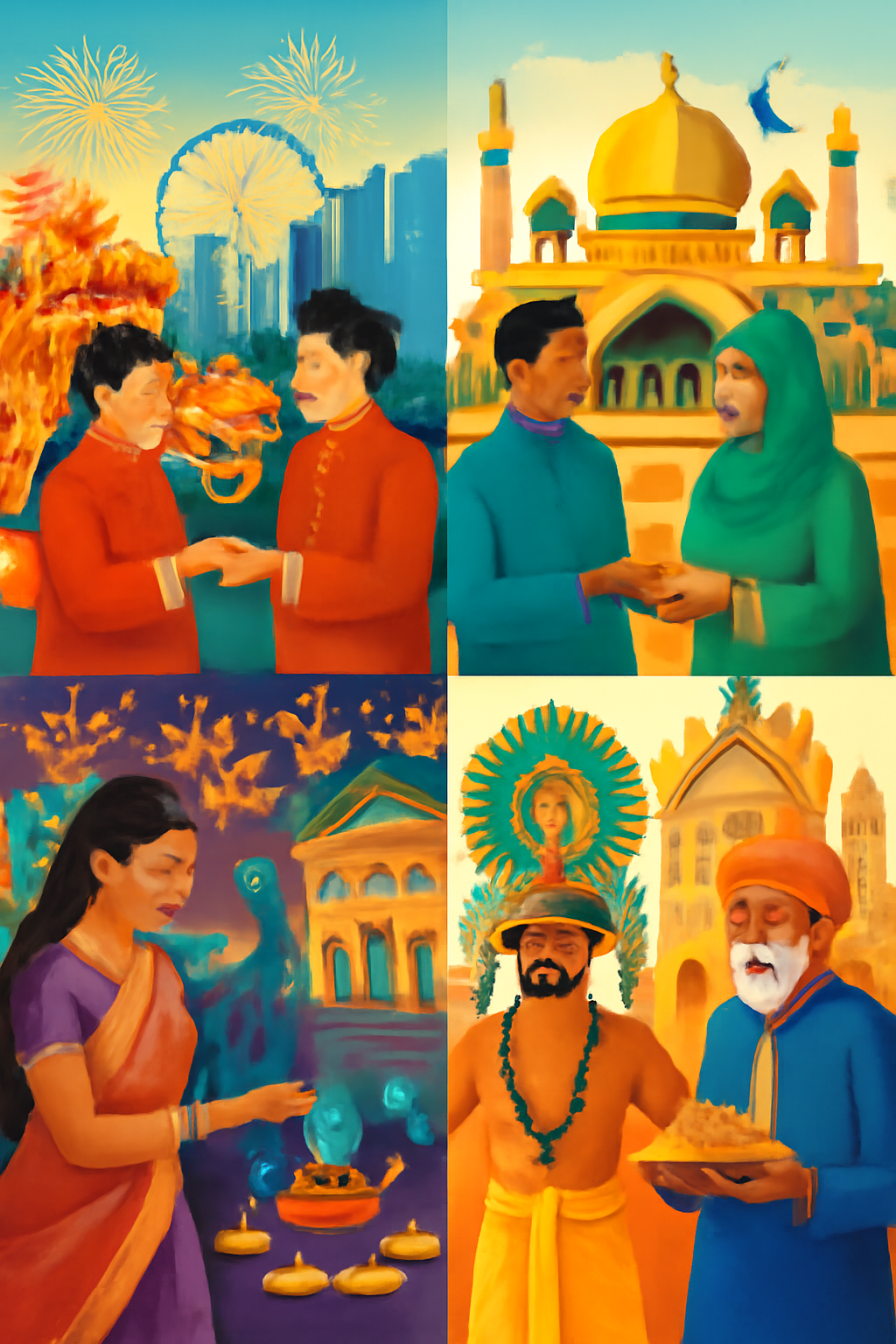
Singapore, a cosmopolitan city-state, is a beautiful amalgamation of diverse cultures and traditions, making it a unique destination for those who wish to experience an eclectic blend of history, spirituality, and community. Singapore’s festivals are an epitome of this diversity, where various communities come together to celebrate their cultural practices, uphold traditions, and showcase their heritage to the world.
Among the most famous is Chinese New Year, a major celebration for the Chinese community in Singapore. The festive mood takes over the entire city as homes are cleaned and decorated with red ornaments to usher in prosperity. During the two-week celebration, people engage in customs like the giving of hongbao (red envelopes) filled with money as a token of good luck. The Chingay Parade, an impressive parade with floats, performances, and lion dances, is one of the highlights of this season.
For Singapore’s Malay Muslim population, Hari Raya Puasa marks the end of the holy month of Ramadan. During this joyous occasion, families come together to celebrate with a festive meal, and mosques are filled with worshippers offering prayers. The Geylang Serai area, known for its cultural vibrancy, is beautifully illuminated during this time, and visitors can sample traditional Malay dishes such as nasi lemak, rendang, and satay.
On the other hand, the Deepavali festival offers a glimpse into the Hindu community’s celebration of the triumph of good over evil. Traditionally referred to as the Festival of Lights, it is marked by the lighting of oil lamps known as diyas, signifying the dispelling of darkness. The streets of Little India are beautifully adorned with elaborate lights and decorations, while temples are filled with worshippers offering prayers and making offerings. During Deepavali, Singapore’s Hindu community also shares festive sweets and meals, including samosas, laddu, and mithai.
Another important occasion is Vaisakhi, celebrated by the Sikh community to mark the harvest season and the formation of the Khalsa in 1699. Sikhs in Singapore honor this day with prayers at Gurdwaras, followed by the tradition of sharing langar, a communal meal that brings together people from all walks of life. The festival, which also holds significance for Sikhs globally, reinforces messages of equality, selfless service, and community welfare.
The Thaipusam festival, celebrated in honor of Lord Murugan, is one of Singapore’s most visually striking events. Devotees take part in a procession from the Sri Srinivasa Perumal Temple to the Sri Thendayuthapani Temple, carrying elaborate kavadis as acts of devotion. This physically demanding tradition symbolizes the dedication of the devotees to Lord Murugan, often demonstrating incredible endurance and strength.
These celebrations represent more than just religious observances; they embody the spirit of unity within Singapore’s multicultural society. Whether it’s the festive cheer of Chinese New Year, the vibrant lights of Deepavali, or the communal prayers of Hari Raya, each festival contributes to the shared understanding and appreciation of cultural diversity. By participating in one another’s traditions, the people of Singapore deepen their sense of national identity and foster mutual respect, making the city a vibrant testament to the power of coexistence.
You may also like
-
Raflux Closes $300K Pre-Seed to Scale Super Gacha on Solana
-
Sanct to launch on Product Hunt live from Tech in Asia Conference 2026, with limited free swag at booth SF09
-
Singapore’s Music Tourism Strategy: From Universal Music Partnership to a 3,000-Capacity Orchard Road Venue
-
Bridging European Luxury and Southeast Asian Real Estate: Jasmine Chau Leads the Grand Finale at IFFINA+ 2026
-
Aspire Launches Aspire Account-Opening Integration With Osome: Global Founders Can Open Business Accounts Faster Than Ever