 5 Ide Oleh-Oleh dari Jakarta yang Bisa Jadi Buah Tangan
  Case Valker Luggage Gains Momentum Among Malaysian Travelers with Durable, TSA-Approved Designs
  Carziqo Launches ER-BX Autonomous Ride-Hailing Operations in San Francisco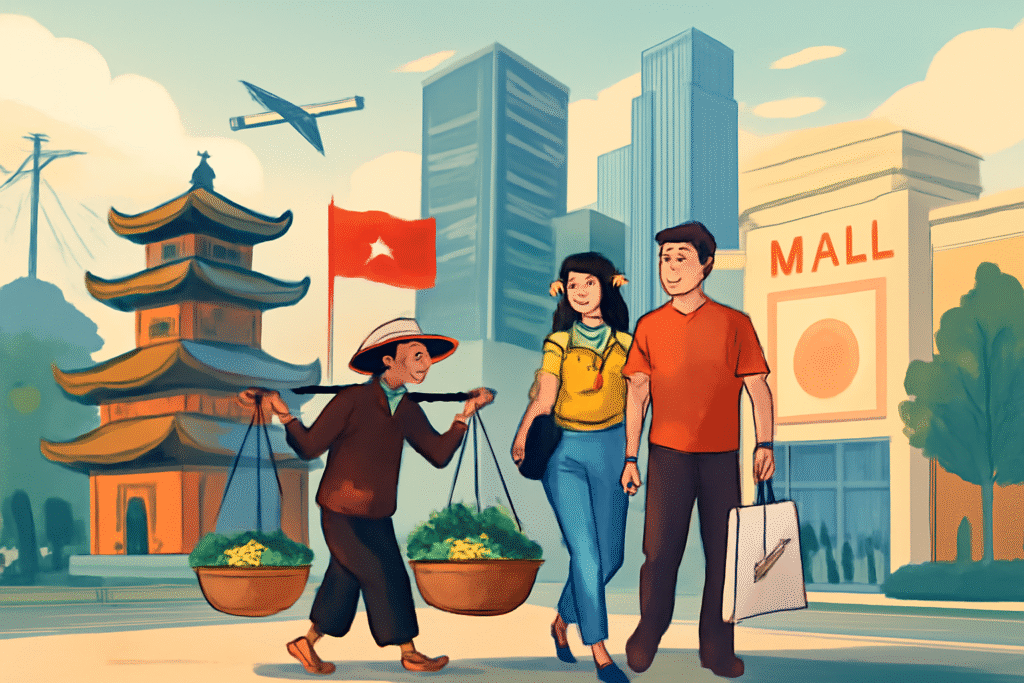
In recent years, Vietnam has undergone significant social changes, largely driven by globalization. The country’s increasing openness to global trade, foreign culture, and technology is reshaping various aspects of life, from urban development to social behaviors. These changes are complex and multi-faceted, affecting the way people live, work, and engage with their communities.
Urbanization stands at the forefront of the transformation occurring in Vietnam. Cities like Ho Chi Minh City and Hanoi are growing at an extraordinary rate, largely due to foreign investment and the development of multinational businesses. This urban expansion is not just physical; it has also led to shifts in lifestyle, with urban areas adopting more modern and Westernized ways of living. The growing demand for jobs in cities has caused an influx of rural residents, further deepening the urban-rural divide.
The arrival of global companies and cultural products has changed consumption habits across the country. Products from multinational brands are now easily accessible in Vietnamese cities, and young people are embracing these items as symbols of modernity and success. Whether it’s fast food, smartphones, or fashion, Vietnamese consumers increasingly lean towards global brands, which are seen as aspirational and trendy.
This shift in consumption is mirrored by changes in societal values. Traditionally, Vietnamese culture placed great importance on family ties and community bonds. However, exposure to Western ideals has encouraged more individualistic attitudes, particularly among younger generations. This shift in values is evident in changing family structures, with more young people prioritizing career growth and independence over traditional family obligations.
Education is another area where globalization has had a profound impact. In response to the demands of a globalized economy, Vietnam has placed a strong emphasis on English language skills and international educational standards. Many students are now choosing to study abroad or attend international schools within the country, gaining exposure to different cultures and educational practices. This has fostered a generation of young people who are not only better prepared to succeed on the international stage but who also possess a broader, more diverse outlook on life.
However, the rapid changes driven by globalization also present challenges. Rural areas, for example, often face greater difficulty adapting to these shifts due to limited access to resources. Furthermore, the growing influence of global culture raises concerns about the erosion of traditional Vietnamese values and customs. As Vietnam continues to balance modernization with cultural preservation, these issues will need to be addressed in order to ensure a harmonious development.
You may also like
-
CRNK đưa mũ bảo hiểm thông minh Hàn Quốc vào thị trường Việt Nam
-
LPIXEL hợp tác với VNPT-IT cung cấp AI hỗ trợ chẩn đoán hình ảnh y tế “EIRL” tại Việt Nam
-
LA TRỊNH atelier mang “Gods Within Her” đến Milan, kể câu chuyện về tính nữ và văn hóa Việt
-
LA TRỊNH ATELIER GIỚI THIỆU SHOW THỜI TRANG “GODS WITHIN HER” TẠI MILAN
-
Karen Barmaki: Sự cộng hưởng sáng tạo giữa lòng hang Ngọc Rồng tại AADA 2026