 Bitcoin Bangkit Lagi! BTC Tembus US$81.000, Level Ini Jadi Penentu Berikutnya
  Pembiayaan Dana Tunai BRI Finance Tumbuh 44,74% hingga Semester I-2026
  Saat Kebutuhan Datang Tak Terduga, BRI Finance Hadirkan Solusi Dana yang Fleksibel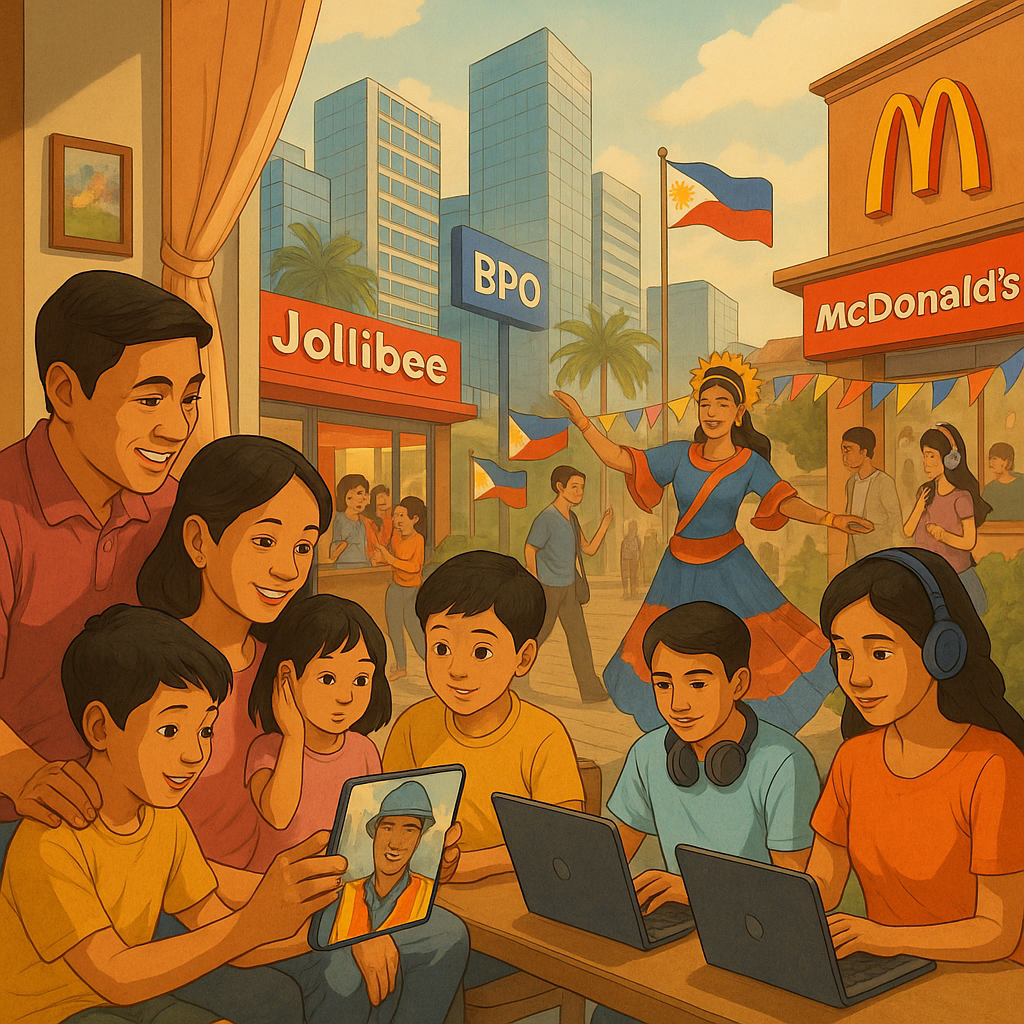
Across the Philippine archipelago, globalization has redefined what feels normal in daily life. From the music playing in jeepneys to the brands advertised on billboards, global influences are woven into familiar local scenes. Many households own electronics manufactured abroad, use apps developed in foreign countries, and watch influencers from different continents. These connections shape how Filipinos communicate, relax, and imagine their future.
Employment patterns reveal how deeply embedded global forces have become. Manufacturing zones producing goods for export, foreign-owned hotels and resorts, and outsourcing firms have all altered the economic landscape. Instead of depending mainly on farming or fishing, many families now rely on salaries from service jobs linked to international markets. Employees in call centers, IT support, and online freelancing frequently interact with foreign clients, adapting their accents, schedules, and work habits to global demands. For some, this brings higher incomes and new skills; for others, it comes with job insecurity and health concerns from irregular hours.
Migration is another central feature of this transformation. The hope for better wages abroad pushes many Filipinos to become part of a worldwide labor force. Their absence rewrites domestic roles. Grandparents may become primary caregivers, children grow accustomed to digital communication with parents, and entire villages show signs of global ties through new houses, vehicles, and small businesses funded by remittances. These visible improvements coexist with quiet emotional costs, including loneliness, anxiety, and changing expectations within families.
Social relationships and leisure activities have shifted as well. Meeting friends at international coffee chains, watching Hollywood blockbusters at the mall, or streaming foreign shows at home have become common pastimes. Social media platforms serve as virtual town plazas where people share personal milestones, debate political issues, and follow global trends. Viral challenges, global fan communities, and international online movements reach Filipino users quickly, influencing opinions and sometimes mobilizing local activism.
Globalization also touches education and values. Schools increasingly highlight the importance of English, digital literacy, and global awareness. Students are encouraged to think about careers that extend beyond national borders, such as working in global corporations or pursuing international scholarships. This broad horizon can inspire ambition but may also create tension between dreams of leaving and the desire to contribute to local communities. Ideas about gender equality, mental health, and human rights also travel through global channels, affecting how young Filipinos view family roles and personal choices.
Amid these changes, worries about inequality and cultural loss persist. Access to global networks often depends on income, location, and digital infrastructure. People without stable internet connections or quality education can be left behind as more opportunities move online. At the same time, some fear that local languages, traditions, and crafts might fade as global culture dominates screens and stores. Yet many Filipinos respond creatively, using global tools to promote local music, cuisine, and tourism. Through these efforts, globalization becomes a two-way street rather than a one-sided flow.
You may also like
-
Carziqo Launches ER-BX Autonomous Ride-Hailing Operations in San Francisco
-
Trans-Asiatic Trading Expands Distribution of Gerflor Streamo Marine Vinyl Flooring to Key Philippine Shipyards
-
‘Dragon King’ scores ₱122.4-M win in Casino Plus, says historic jackpot ‘felt like a dream’
-
VRITIMES Covers LogiSYM Philippines 2026, Alongside Transport & Logistics Philippines 2026
-
TPSW 2026 Photo Contest Invites Photographers to Spotlight Volunteerism Across Asia