 Peduli Kesehatan Lingkungan, PTPN Group melalui Unit Riset Sungei Putih PT RPN Berkolaborasi Lakukan Fogging
  Tips Traktir Teman ketika Ulang Tahun agar Tidak Boncos
  Mengatur Keuangan Saat Punya Cicilan agar Tetap Terkendali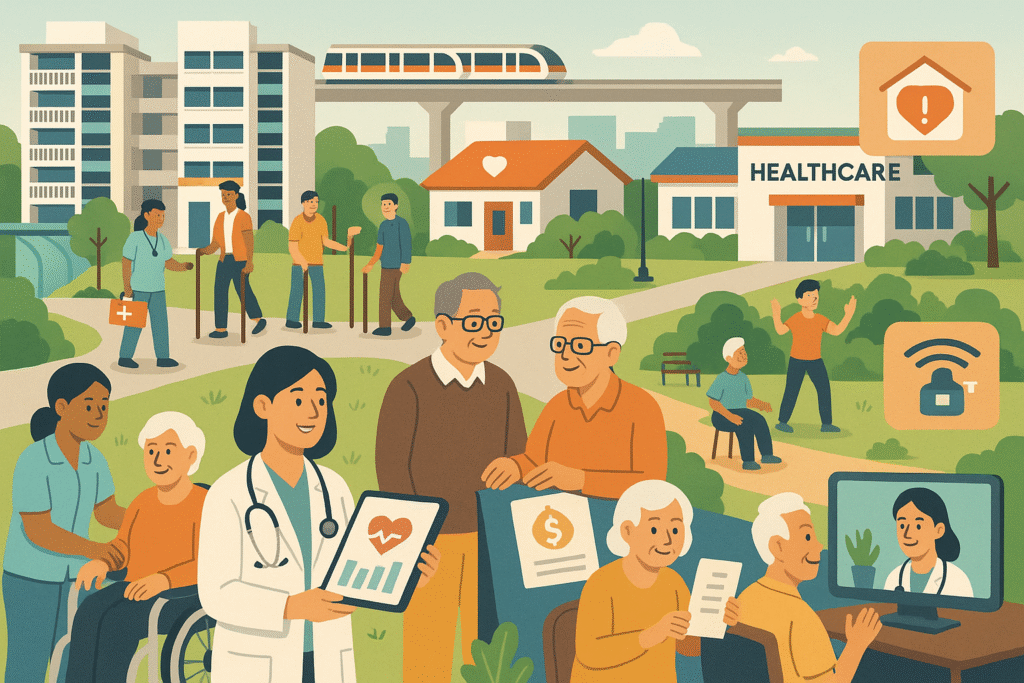
While Singapore’s gleaming hospitals are often in the spotlight, the primary care network is the real backbone of its health policy. A deliberate emphasis on first-line care and prevention supports efficiency by treating problems early, in less costly settings, and closer to where people live and work.
Primary care in Singapore is delivered through two main channels: public polyclinics and a large number of private general practitioner (GP) clinics. Polyclinics are government-run centres that offer subsidised consultations, vaccinations, chronic disease management, dental services, and laboratory tests. They see high patient volumes and play a major role in national screening and immunisation programmes.
Private GP clinics, scattered throughout neighbourhoods and business districts, provide convenient access for everyday health needs. To make private GP care more affordable, the government introduced schemes such as the Community Health Assist Scheme (CHAS). Eligible residents receive subsidies for visits to participating GPs and dental clinics, particularly for chronic conditions like diabetes, high blood pressure, and high cholesterol. This reduces crowding in polyclinics and spreads demand more evenly.
The Healthier SG strategy places even more weight on primary care. Under this initiative, residents are encouraged to enrol with a regular family doctor—either at a polyclinic or a private clinic—who will oversee their long-term health. The doctor develops a personalised care plan, helps track risk factors, and coordinates referrals to specialists when needed. The aim is to build enduring doctor–patient relationships and manage health issues before they escalate.
Primary care is also central to tackling non-communicable diseases. Singapore has invested heavily in guidelines, training, and digital tools that help primary care doctors manage chronic illness more effectively. Patients receive counselling on diet, physical activity, and medication adherence. Data from primary care visits feed into population health analytics, enabling authorities to identify hotspots of disease and direct resources accordingly.
Beyond clinics, primary care policy extends into workplaces, schools, and community organisations. Health screening at workplaces, school-based immunisation, and community health fairs all connect residents to primary care services. These outreach efforts make it easier for people with limited time or mobility to access early detection and advice.
By focusing strongly on primary care and embedding it in everyday life, Singapore reduces unnecessary hospital admissions and specialist consultations. This approach supports both cost-efficiency and better health outcomes, showcasing how front-line services can be a strategic asset rather than a secondary component.
You may also like
-
Astaka Launches SOL HealthTech Brand, Aiming To Capitalise On Growing Demand For Indoor Air Quality Solutions Across Asia
-
Three notes from Hangzhou: Sanct Social founder on how China backs its start-ups, one task per city, and a whole city out to see the moon
-
Sixteen companies, four ministries and agencies, two associations: inside the Indonesian delegation to Hangzhou’s Global Digital Trade Expo
-
Sanct Social joins Indonesian delegation to China’s Global Digital Trade Expo, explores the smart glasses and AI models already on sale there
-
YouHealth Singapore Highlights a Personalised TCM Approach to Sustainable Weight Management