 Peduli Kesehatan Lingkungan, PTPN Group melalui Unit Riset Sungei Putih PT RPN Berkolaborasi Lakukan Fogging
  Tips Traktir Teman ketika Ulang Tahun agar Tidak Boncos
  Mengatur Keuangan Saat Punya Cicilan agar Tetap Terkendali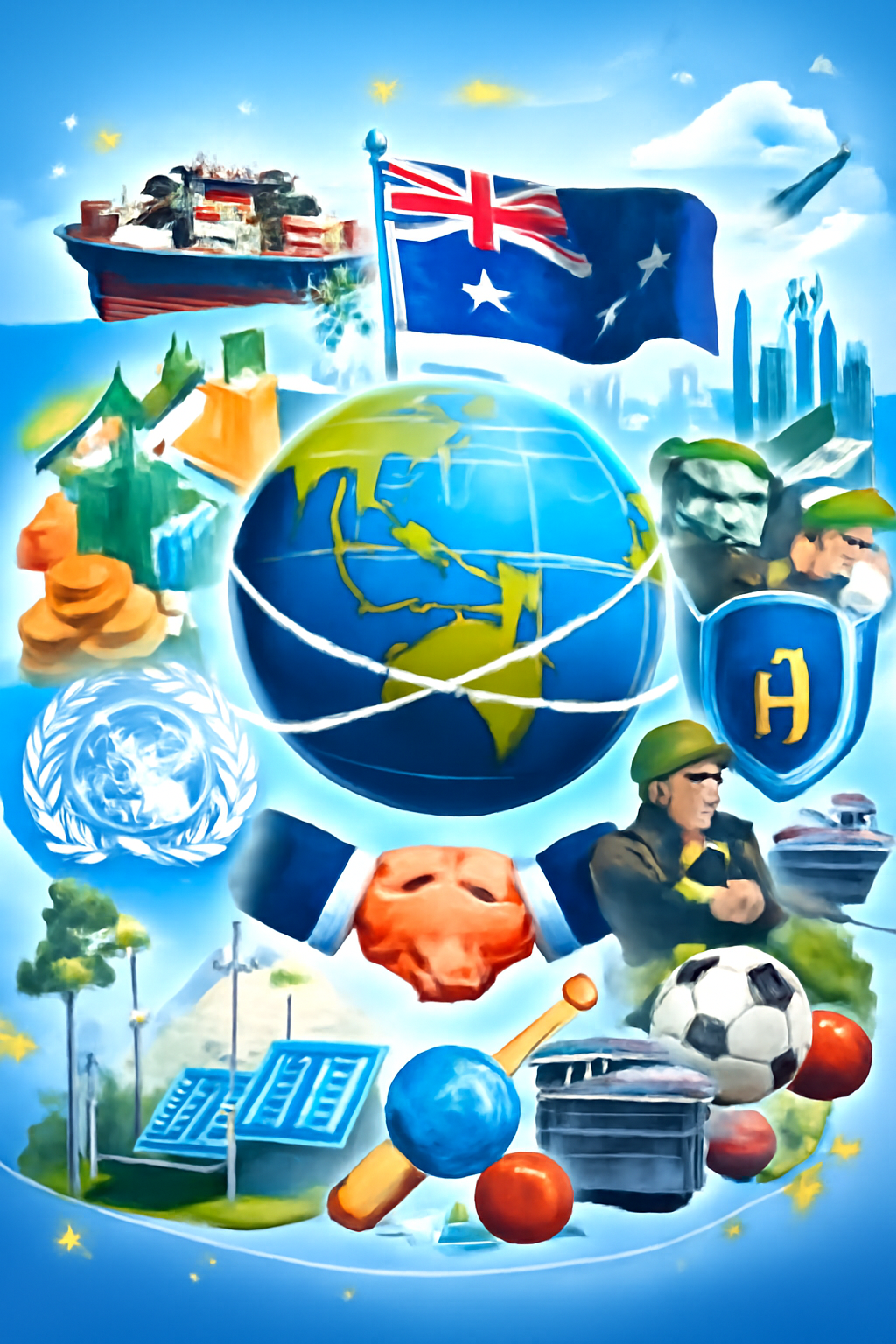
Australia’s influence on the global stage may be underestimated due to its relatively small population and geographical isolation, but its role as a significant international actor cannot be overlooked. This island nation punches well above its weight in various international arenas, from economic influence to political engagements, and cultural contributions.
Economically, Australia plays a pivotal role in global trade. It boasts a highly developed economy with a strong focus on natural resource exports, including coal, gold, and agricultural products. These exports make Australia a critical player in the global economy, particularly in the Asia-Pacific region, where demand for these resources is high. Furthermore, Australia’s free trade agreements with major economies, such as China, Japan, and the United States, enhance its global economic integration and influence.
Politically, Australia is a dedicated supporter of international diplomacy and peacekeeping. Australia has contributed troops to various United Nations peacekeeping missions and has been active in supporting global efforts to prevent conflicts and mitigate humanitarian crises. Australia’s role in international organizations like the United Nations, the World Health Organization, and the International Monetary Fund allows it to influence global policies and decisions on critical issues such as health, security, and economic development.
In the realm of security, Australia’s alliances with global powers, particularly the United States, have positioned it as a key partner in the Indo-Pacific region. The ANZUS Treaty, a defense pact signed with the U.S. in 1951, ensures Australia’s security interests are aligned with those of one of the world’s most powerful nations. This alliance has allowed Australia to play a significant role in maintaining peace and stability in the Asia-Pacific region, an area of growing strategic importance due to rising tensions among regional powers.
Australia’s commitment to addressing climate change has also positioned it as an important global player. Despite being one of the largest emitters of greenhouse gases per capita, Australia has pledged to reduce its carbon footprint and is investing in renewable energy sources. The nation has also become a key advocate for climate change action in international negotiations, notably the Paris Agreement, where it has committed to ambitious emissions reduction targets.
In terms of cultural influence, Australia’s global presence extends through its thriving arts and entertainment industry. Australian film, music, and television are enjoyed worldwide, and the country’s universities attract international students, further enhancing its cultural and intellectual standing. The nation’s sporting success, particularly in cricket, rugby, and the Olympics, also adds to its soft power, fostering a positive global image.
Australia’s contributions to global issues such as human rights, economic development, and environmental sustainability demonstrate its multifaceted role in shaping international affairs. As a committed middle power, Australia will continue to leverage its strategic partnerships and economic strength to further its influence and contribute to a more interconnected world.
You may also like
-
COLES REVS UP REWARDS WITH 10 ALL-ELECTRIC MAZDAS AND A YEAR’S WORTH OF GROCERIES UP FOR GRABS
-
IMAGO Technologies Unveils PaperSmart Dual-Mode Tablet With EdPrep.ai
-
IRGCE 2026 CONCLUDES WITH STRONG INTERNATIONAL PARTICIPATION AND BUSINESS PROSPECTS
-
Tasmania is rethinking its coronial system. Could it help prevent more deaths?
-
ABOUND™ Strengthens Boutique Customer Experience Model With Proven Operational Expertise