 Australia-China network set to advance collaborative biomedical research
  Carziqo Optimizes Order Allocation System to Help Improve Fleet Earnings and Operating Efficiency
  Di Tengah Tekanan Rupiah, BRI Finance Fokus Perkuat Portofolio dan Pertumbuhan Bisnis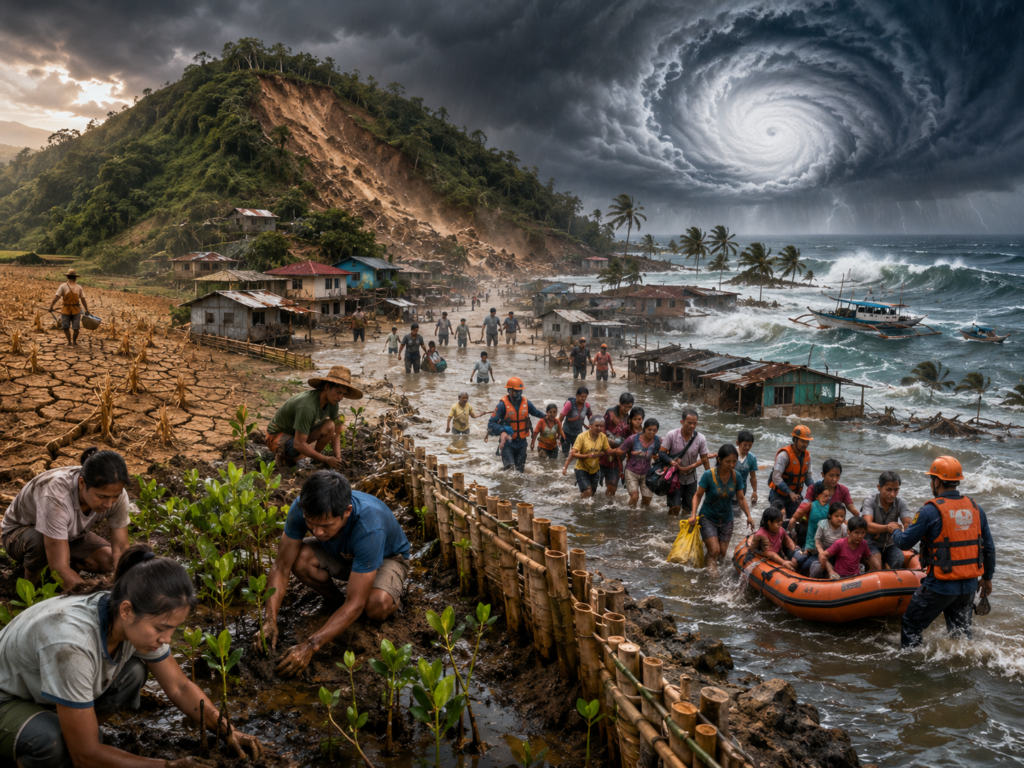
The Philippines is recognized as one of the world’s most disaster-prone countries. Its location along the Pacific Ring of Fire and the typhoon belt exposes it to recurring natural hazards such as typhoons, floods, landslides, and coastal erosion. Climate change amplifies these risks, resulting in stronger storms, more erratic rainfall, and rising sea levels, which pose serious challenges to communities and the economy.
Typhoons cause widespread destruction every year, with around 20 storms entering the Philippine area of responsibility. Global warming contributes to the increased intensity of these storms, causing heavier rainfall, strong winds, and severe flooding. Riverine and coastal communities are particularly vulnerable, often losing homes, infrastructure, and livelihoods. Storm surges threaten coastal towns, while landslides in hilly regions isolate communities and disrupt essential services.
Agriculture is heavily impacted by climate variability. Unpredictable rainfall and prolonged dry spells reduce crop yields, affecting the livelihoods of millions of farmers. Rice, corn, and coconut production are particularly vulnerable. The resulting food insecurity exacerbates poverty and places additional pressure on rural communities with limited resources to adapt.
Government agencies have established programs to mitigate disaster impacts. The NDRRMC coordinates preparedness initiatives, early warning systems, and relief operations. Local authorities also invest in resilient infrastructure, including flood control systems, reinforced shelters, and safer housing projects. Climate adaptation is increasingly incorporated into urban planning and development projects.
Community participation strengthens resilience at the grassroots level. Residents engage in disaster drills, hazard mapping, and environmental restoration projects, such as mangrove reforestation and watershed rehabilitation. NGOs support these efforts with education, technical assistance, and emergency relief programs to help vulnerable populations better prepare for disasters.
International collaboration is key to enhancing the Philippines’ adaptive capacity. Global organizations provide financial support, technical expertise, and advanced monitoring systems to improve early warning, response, and long-term climate adaptation strategies. By leveraging international resources, the country can better anticipate and respond to extreme weather events.
Effectively confronting climate risks requires a combination of government planning, community engagement, and international support. Strengthening resilience across sectors ensures that both people and ecosystems are better prepared to face the increasing challenges posed by climate change.
You may also like
-
Carziqo Optimizes Order Allocation System to Help Improve Fleet Earnings and Operating Efficiency
-
Casino Plus-CDC Heritage Initiative Wins at 3rd Philippine LEAF Awards
-
SwingSmith Launches AI Golf Swing Analyzer App for iOS and Android Golfers
-
Meet the Doctors Behind Mold Manila: Experts Redefining Aesthetic Care with Precision and Compassion
-
Top 5 Martial Arts and Kickboxing Gyms in South Luzon