 Peduli Kesehatan Lingkungan, PTPN Group melalui Unit Riset Sungei Putih PT RPN Berkolaborasi Lakukan Fogging
  Tips Traktir Teman ketika Ulang Tahun agar Tidak Boncos
  Mengatur Keuangan Saat Punya Cicilan agar Tetap Terkendali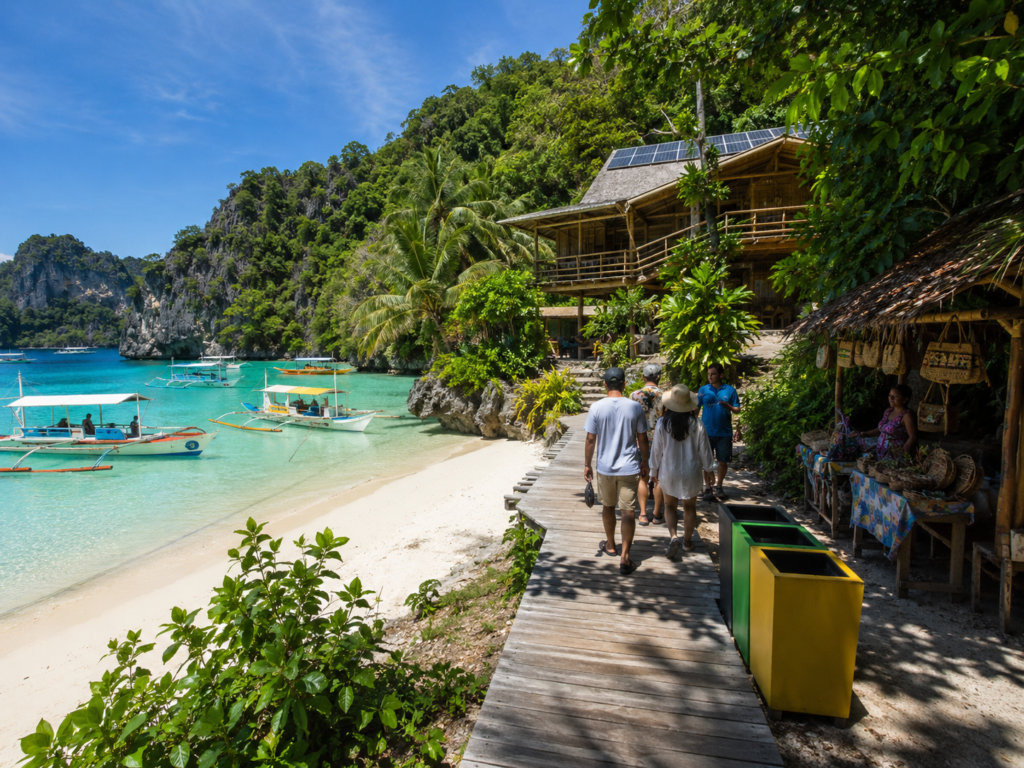
The Philippines has long been recognized as one of Southeast Asia’s most attractive tourism destinations because of its tropical islands, marine biodiversity, cultural heritage and unique landscapes. However, rapid tourism expansion has created new challenges, including environmental degradation, overcrowding, waste management problems and pressure on local communities.
Sustainable tourism development has become a major priority for the country as policymakers and industry leaders attempt to balance economic growth with environmental protection. Instead of focusing only on increasing visitor numbers, the Philippines is gradually moving toward a tourism model that values conservation, community participation and long-term destination resilience.
According to the Philippine Department of Tourism, sustainable and responsible tourism development has become a central strategy in strengthening the country’s tourism competitiveness. More information about national tourism programs can be accessed through the official portal: https://tourism.gov.ph/
Moving Beyond Mass Tourism Models
For many years, tourism success was primarily measured by international arrivals, hotel occupancy rates and tourism revenue. While these indicators remain important, they do not fully represent whether destinations are developing sustainably.
Several Philippine destinations have experienced the consequences of uncontrolled tourism growth. Popular locations such as Boracay, Palawan and parts of Cebu have faced challenges related to waste disposal, water consumption and ecosystem pressure.
The temporary closure of Boracay Island in 2018 became a major turning point. The government intervention highlighted the importance of environmental regulations, proper wastewater systems and stronger monitoring of tourism businesses.
The experience demonstrated that tourism development without proper planning can eventually threaten the very attractions that bring visitors to the country.
Strengthening Community-Based Tourism Development
One important element of sustainable tourism in the Philippines is increasing the role of local communities.
Community-based tourism allows residents to become active participants rather than simply observers of tourism activities. Local guides, fishermen, farmers, artisans and small business owners can benefit directly from visitor spending.
This approach helps create a stronger connection between tourism growth and local economic development.
For example, rural destinations that promote cultural experiences, traditional food production and environmental activities can provide alternative income sources while preserving local identity.
When communities receive economic benefits from tourism, they are more likely to support conservation programs and responsible visitor management.
Protecting Marine Ecosystems as Tourism Assets
The Philippines is home to some of the world’s richest marine environments, including coral reefs, mangrove forests and coastal ecosystems. These natural resources are not only environmental treasures but also major economic drivers through diving, snorkeling and island tourism.
However, climate change, pollution and irresponsible activities continue to threaten marine areas.
The Department of Environment and Natural Resources provides information about biodiversity conservation programs and environmental protection efforts in the Philippines:
https://www.denr.gov.ph/
Protecting marine ecosystems requires cooperation between government agencies, tourism operators and travelers. Sustainable practices such as reducing plastic waste, supporting marine protected areas and controlling visitor activities are becoming increasingly important.
Building a Long-Term Vision for Philippine Tourism
The future of Philippine tourism depends on how effectively the country can balance development and conservation.
Sustainable tourism is not about limiting opportunities for growth. Instead, it focuses on creating a tourism industry that remains profitable while protecting natural resources and improving the quality of life for residents.
The Philippines has enormous tourism potential, but its success will depend on responsible planning, stronger environmental policies and meaningful community involvement.
A sustainable tourism strategy can ensure that future generations continue to experience the country’s natural beauty while local communities receive lasting economic benefits.
You may also like
-
VRITIMES Exhibits at SUPPLYCON 2026 as Official Media Partner
-
Casino Plus, official presenter ng MassKara Festival 2026; Zeinab, Moonstar88, Baby Dolls, magpapasiklab sa 3-day concert
-
Gyukatsu BGC Brings Its Signature Japanese Beef Cutlet Experience to Park Triangle Mall
-
How an AI Communication Coach Helped a First-Generation Filipina Immigrant Find Her Voice
-
44th ASEAN Ministers on Energy Meeting (AMEM) and AEBF-26 Open in Manila, Marking New Milestones in ASEAN Energy Cooperation