 Nestopa เดินหน้าสร้าง Property Ecosystem เชื่อมทุกภาคส่วนของตลาดอสังหาฯ
  BINUS @Semarang Kukuhkan Angkatan Pertama, Siap Hadirkan Talenta Digital bagi Indonesia
  Bitcoin Anjlok 17,9%, Transaksi Kripto RI Justru Tembus Rp28,58 Triliun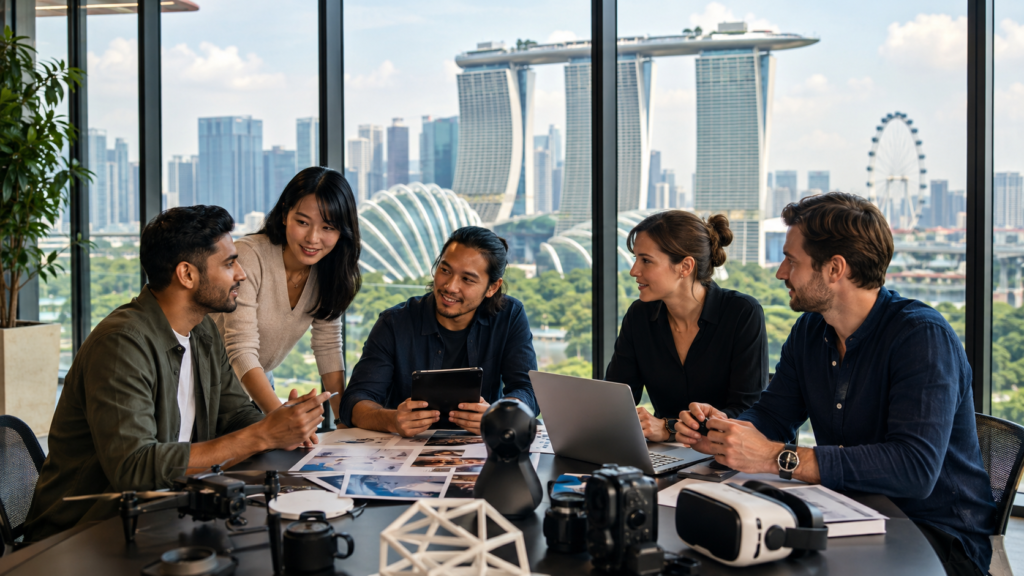
Singapore’s creative economy is quietly assembling a new export juggernaut: interactive entertainment. The city‑state, once a mere consumer of global gaming content, now houses over 220 game development and immersive media studios that are shipping titles, virtual worlds, and AR experiences to users from São Paulo to Seoul. This is not a story of low‑cost outsourcing; it is a narrative of high‑value intellectual property, cultural hybridity, and technological mastery that has turned local gaming pioneers into global contenders.
From Indie Experiments to Multi‑Platform Franchises
Singapore’s gaming landscape has matured far beyond simple mobile puzzles. Studios like BattleBrew Productions, known for the strategy title Warriors of the Orient, and Mojiken Studio, celebrated for the critically acclaimed A Space for the Unbound, demonstrate a unique creative signature. These teams weave Southeast Asian mythology, retro aesthetics, and universal gameplay mechanics into products that feel both hyper‑local and globally relatable. The result is a portfolio of original IP that resonates with streamers and players across multiple continents.
A Technological Backbone Built for Real‑Time Engagement
The demands of modern gaming—cloud streaming, cross‑platform play, and live operations—require flawless digital infrastructure. Singapore’s nationwide ultra‑low‑latency network and its position as a primary cloud‑region hub for Amazon Web Services, Google Cloud, and Microsoft Azure give local studios an edge. Developers can instantly deploy game updates to servers in Tokyo, Frankfurt, and Oregon without building their own global server farms. According to the IMDA Digital Economy Report 2026, interactive media exports from Singapore have surged by 34 percent in two years, driven largely by live‑service games and virtual production tools.
Storytelling That Travels Without a Passport
What truly distinguishes Singaporean interactive content is its multicultural fluency. A game developed in the city can feature dialogue in Singlish, Bahasa Indonesia, and Japanese, all seamlessly localized because the development team itself is linguistically diverse. This intrinsic understanding of pan‑Asian sentiment allows studios to sidestep the cultural blunders that often derail Western publishers attempting to enter Asian markets. Moreover, government‑backed initiatives like the Media Education Scholarship and the Games Solution Centre actively groom narrative designers and technical artists who can code as elegantly as they craft story arcs.
The Tournament Economy as a Global Stage
Esports adds another layer of international visibility. Singapore has become a host city for major tournaments, including the Dota 2 International and Mobile Legends: Bang Bang World Championships, which draw millions of live viewers. These events create a halo effect for local creative tech companies. A startup specializing in real‑time motion capture or holographic stage design, for instance, can debut its technology at a Singapore‑based e‑sports arena and immediately catch the attention of global broadcasters and league operators.
By treating games not merely as entertainment but as a fusion of art, technology, and community, Singapore’s interactive media ecosystem has engineered a launchpad that sends its creative voice into living rooms, phones, and headsets around the planet.
You may also like
-
Nestopa Expands Beyond Its AI-Powered Property Platform to Build Thailand’s Most Connected Property Ecosystem
-
Demand for Swimming Lessons in Punggol Climbs as Young Families Prioritise Water Confidence
-
[Opening Friday, August 7] A New Landmark Is Born in Chayamachi, Umeda, Osaka! “Alpen OSAKA,” a Tax-Free Sports Flagship Store and One of the Largest in Western Japan, Celebrates Its Grand Opening
-
Punggol Swimming Complex Set to Open Soon: SwimSafe Opens Early Registration for Swimming Lessons at the New Venue
-
Best Multi Currency Account in Singapore: How Businesses Can Simplify International Business Payments