 $1m awarded to Sydney artists to combat exodus of creative talent
 Chencharu 2040: How Singapore’s Planned 10,000-Home Neighbourhood Could Influence Property Investment in Northern Singapore
 BRI Region 6 Maksimalkan Potensi Transaksi EDC melalui Strategi Bisnis Berkelanjutan
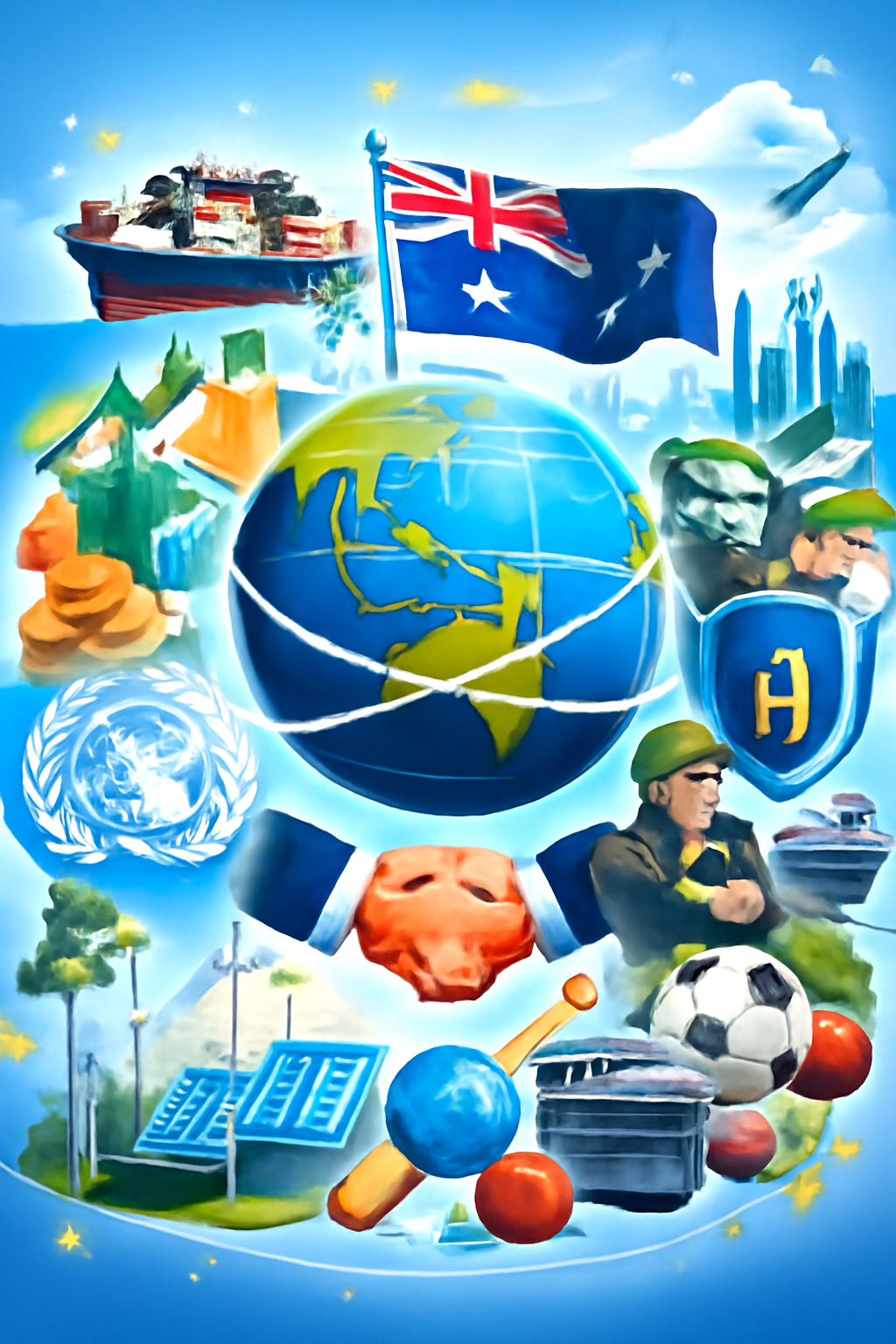
Australia’s influence on the global stage may be underestimated due to its relatively small population and geographical isolation, but its role as a significant international actor cannot be overlooked. This island nation punches well above its weight in various international arenas, from economic influence to political engagements, and cultural contributions.
Economically, Australia plays a pivotal role in global trade. It boasts a highly developed economy with a strong focus on natural resource exports, including coal, gold, and agricultural products. These exports make Australia a critical player in the global economy, particularly in the Asia-Pacific region, where demand for these resources is high. Furthermore, Australia’s free trade agreements with major economies, such as China, Japan, and the United States, enhance its global economic integration and influence.
Politically, Australia is a dedicated supporter of international diplomacy and peacekeeping. Australia has contributed troops to various United Nations peacekeeping missions and has been active in supporting global efforts to prevent conflicts and mitigate humanitarian crises. Australia’s role in international organizations like the United Nations, the World Health Organization, and the International Monetary Fund allows it to influence global policies and decisions on critical issues such as health, security, and economic development.
In the realm of security, Australia’s alliances with global powers, particularly the United States, have positioned it as a key partner in the Indo-Pacific region. The ANZUS Treaty, a defense pact signed with the U.S. in 1951, ensures Australia’s security interests are aligned with those of one of the world’s most powerful nations. This alliance has allowed Australia to play a significant role in maintaining peace and stability in the Asia-Pacific region, an area of growing strategic importance due to rising tensions among regional powers.
Australia’s commitment to addressing climate change has also positioned it as an important global player. Despite being one of the largest emitters of greenhouse gases per capita, Australia has pledged to reduce its carbon footprint and is investing in renewable energy sources. The nation has also become a key advocate for climate change action in international negotiations, notably the Paris Agreement, where it has committed to ambitious emissions reduction targets.
In terms of cultural influence, Australia’s global presence extends through its thriving arts and entertainment industry. Australian film, music, and television are enjoyed worldwide, and the country’s universities attract international students, further enhancing its cultural and intellectual standing. The nation’s sporting success, particularly in cricket, rugby, and the Olympics, also adds to its soft power, fostering a positive global image.
Australia’s contributions to global issues such as human rights, economic development, and environmental sustainability demonstrate its multifaceted role in shaping international affairs. As a committed middle power, Australia will continue to leverage its strategic partnerships and economic strength to further its influence and contribute to a more interconnected world.
You may also like
-
$1m awarded to Sydney artists to combat exodus of creative talent
-
The Algal Bloom That Forced Australia to Close a Fishery: Inside the 2026 South Australia Direction
-
Okinawa Harborview Hotel and Kobe Meriken Park Oriental Hotel Offer World-Renowned Kobe Beef Dining
-
ATARMAxxing launches 28 Topic Tests e-books and opens Australia-wide Year 12 tutoring for 2027
-
New Paediatric Brain Tumour Study Finds Fluorescence Is Less Reliable Beyond the Tumour Core — Medicana Expert Explains