 Peduli Kesehatan Lingkungan, PTPN Group melalui Unit Riset Sungei Putih PT RPN Berkolaborasi Lakukan Fogging
  Tips Traktir Teman ketika Ulang Tahun agar Tidak Boncos
  Mengatur Keuangan Saat Punya Cicilan agar Tetap Terkendali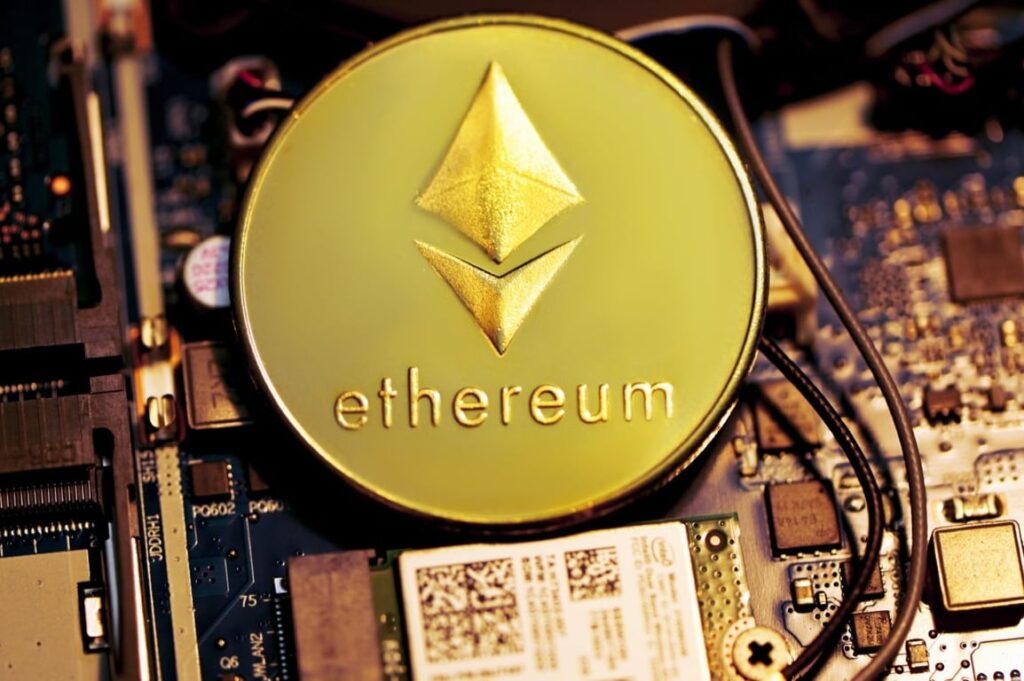
Vitalik Buterin, co-founder of Ethereum, has identified centralization as one of the biggest risks for Ethereum. Buterin has proposed a potential solution known as “The Scourge.” Check out the full explanation in this article.
Becoming one of the largest blockchain platforms, Ethereum continues to grow and attract investor interest. However, like every technology, Ethereum also faces challenges and risks. One of the biggest risks facing Ethereum is the centralization of proof-of-stake (PoS).
Centralized Proof-of-Stake
Proof-of-stake is a consensus mechanism that Ethereum uses to validate transactions and secure the network. In PoS, validators must lock a certain amount of ETH to participate in the validation process.
One of the risks in PoS is centralization, where a small number of validators control most of the network. This can increase the risk of 51% attacks, transaction censorship, and value extraction.
Vitalik Buterin and The Scourge
Vitalik Buterin, co-founder of Ethereum, has identified centralization as one of the biggest risks for Ethereum. Buterin has proposed a potential solution known as “The Scourge.”
The Scourge aims to reduce the risk of centralization by using techniques such as encrypted and a two-tier staking approach. This can help prevent large validators from controlling large portions of the network and reduce the risk of transaction censorship.
Centralization Risk Analysis
Some things that need to be considered so that we can carry out risk analysis are:
1. 51% attack risk: Centralization can increase the risk of 51% attacks, where a small group of validators can control the network and invalidate transactions.
2. Transaction censorship: Centralized validators may choose not to process certain transactions, which could disrupt Ethereum’s functionality.
3. Value extraction: Centralized validators can earn larger profits than small validators, which can reduce value for Ethereum users.
Potential Solutions
Apart from The Scourge, some other potential solutions to overcome PoS centralization on Ethereum include:
1. Increased validator set size: Expanding the number of validators can reduce the risk of centralization.
2. Anti-centralization mechanisms: Development of mechanisms that can prevent large validators from controlling the network.
3. Increased user participation: Encouraging more users to become validators can help reduce centralization.
Conclusion: Current Ethereum Price
Centralization of proof-of-stake is one of the biggest risks facing Ethereum. While potential solutions exist, addressing this issue will require continued efforts from the Ethereum community.
As additional information for those of you who are interested in Ethereum, currently the price of the ETH token is minus 3.24% so it is trading at $2,618.
Although Ethereum price experienced a decline, the RSI indicator has a value of more than 69, so it is indicated that there will be a bullish trend in the near future. The MACD line also explains that the trend will come soon because the buying trend is dominating compared to the selling trend.
Apart from checking token prices in real time, you can also check price conversions ETH to USD easily on the Bitrue website. So, you can know how to allocate funds beforehand buy Ethereum.
You may also like
-
Astaka Launches SOL HealthTech Brand, Aiming To Capitalise On Growing Demand For Indoor Air Quality Solutions Across Asia
-
Three notes from Hangzhou: Sanct Social founder on how China backs its start-ups, one task per city, and a whole city out to see the moon
-
Sixteen companies, four ministries and agencies, two associations: inside the Indonesian delegation to Hangzhou’s Global Digital Trade Expo
-
Sanct Social joins Indonesian delegation to China’s Global Digital Trade Expo, explores the smart glasses and AI models already on sale there
-
YouHealth Singapore Highlights a Personalised TCM Approach to Sustainable Weight Management