 Major Partnership in Halal Industry Formed: 𝐓𝐚𝐡𝐢𝐫 𝐀𝐲𝐮𝐧𝐚𝐧 𝐌𝐚𝐥𝐢𝐤𝐨𝐥 𝐂𝐮𝐥𝐢𝐧𝐚𝐫𝐲 𝐂𝐨𝐧𝐬𝐮𝐥𝐭𝐚𝐧𝐜𝐲 𝐚𝐧𝐝 𝐌𝐢𝐡𝐰𝐚𝐫𝐢𝐲 𝐂𝐨𝐧𝐬𝐮𝐥𝐭𝐚𝐧𝐜𝐲 𝐒𝐢𝐠𝐧 𝐋𝐚𝐧𝐝𝐦𝐚𝐫𝐤 𝐀𝐠𝐫𝐞𝐞𝐦𝐞𝐧𝐭
 UNSW-developed AI tool makes complex spatial data easier to use
 Dorong Keuangan Berkelanjutan, Bank Raya Raih Excellence & Distinction Awards & Best Stewardship In Enabling Inclusive Local Economies Award 2026
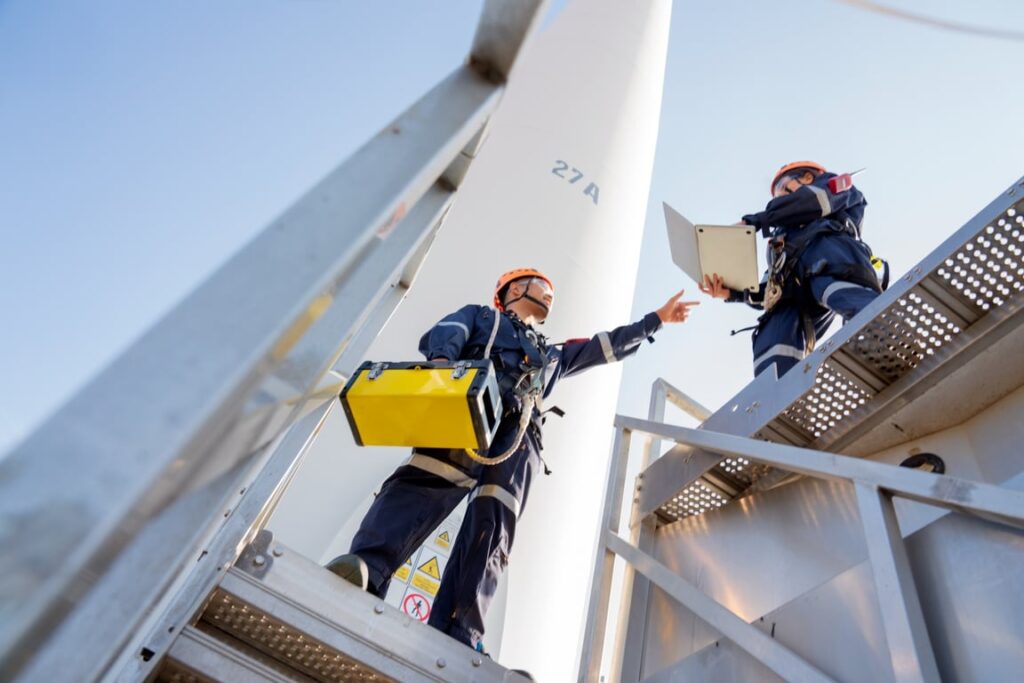
New forms of work are creating fresh safety risks, but the failures behind workplace deaths remain stubbornly familiar, says UNSW expert Professor Michael Quinlan.
Australia’s workplace safety record has improved, but poor risk assessment, production pressure and weak worker voice continue to contribute to workplace deaths, UNSW Business School Emeritus Professor Michael Quinlan says.
Prof. Quinlan, who has spent more than four decades studying work health and safety (WHS), workplace regulation and industrial disasters, says precarious work and emerging technologies are creating additional risks.
He was recently appointed Chair of the SafeWork NSW Advisory Council, which brings together industry, unions, WHS experts and others to monitor emerging risks and advise the SafeWork Commissioner on the regulator’s strategic direction and priorities. (Prof. Quinlan is expressing his personal views, which do not necessarily represent those of the Council.)
Safe Work Australia recorded 188 workers fatally injured at work in 2024, with the traumatic-injury fatality rate falling from 2.7 deaths per 100,000 workers in 2003 to 1.3 in 2024.
“People still die for the same reasons they died in the past: failures in engineering, design and maintenance at work; failure to take account of risk warning signals,” he said.
The risks behind the statistics
Australia’s WHS laws are strongly risk-based, but organisations still fail to assess risks properly, Prof. Quinlan said. Systems break down, audits do not identify problems, production pressures take precedence over safety and workers’ concerns are ignored.
Workplace harm is also not limited to traumatic incidents. Safe Work Australia’s latest data show that diseases and conditions accounted for 33.5% of serious workers’ compensation claims in 2023–24, up from 26.1% a decade earlier. Mental health conditions accounted for 12% of all serious claims, with the median time lost from work in these claims almost five times that recorded across all other injuries and diseases.
The burden of work-related disease is also reflected in deaths that occur outside the headline workplace-fatality figures, with Prof. Quinlan estimating that diseases and exposure to hazardous substances cause about 10 times as many deaths as traumatic injuries.
“If you put workers into highly stressful work situations, and they’re working harder, that will kill people in the longer term,” he said.
Vehicle incidents remain the leading cause of traumatic workplace fatalities, accounting for 42% of worker deaths in 2024. The highest fatality rates were recorded in agriculture, forestry and fishing, transport, postal and warehousing, and mining.
When work becomes precarious
Research links insecure employment with greater economic pressure, weaker training and induction, fragmented responsibility and reluctance to report safety concerns.
The new minimum standards for food-delivery workers provide a current test of whether changing the economic conditions of work can also improve safety. Since 17 August, eligible workers engaged through digital platforms have been covered by a Fair Work Commissionorder setting a minimum earnings floor based on engaged time, initially ranging from $31.30 an hour for bicycle and scooter riders to $32 for workers using a car or van.
Prof. Quinlan said decent pay is an important foundation for safe work, because low and unpredictable earnings can encourage workers to work longer hours, skip breaks or take risks.
“You can’t have a safe workplace if you’re not giving people decent pay,” he said. “If they don’t get decent pay, they will either work too many hours or they’ll find other ways of cutting corners, which can harm safety or their own health.”
Minimum pay alone will not solve the safety problems associated with gig work. Platforms also need to consider how payment systems, algorithms and contracting arrangements influence workers’ behaviour.
The importance of worker voice
Prof. Quinlan’s recent research on safety representation in NSW mining highlights the importance of independent, legislated worker representatives. In a report commissioned by the NSW Mine Workers Alliance, he and his co-authors examined safety representation in coal and metalliferous mining using incident data, regulatory records and interviews.
Coal mining has retained a two-tier system of site safety and health representatives and full-time industry representatives, with statutory powers to support workers and identify serious hazards.
In metalliferous mining, the industry-level representative was removed in 2004, while site safety and health representatives were replaced by more general health and safety representatives in 2013. The report says this weakened worker representation, particularly where workers fear victimisation or rely on contractors and labour-hire arrangements.
“It’s quite clear that one of the reasons coal mining is safe in Australia is because it has very strong safety representatives,” Prof. Quinlan said.
Workers may be reluctant to raise concerns when they fear victimisation or depend on a particular mine or contractor for their employment. This is also a challenge for contractors and labour-hire workers, whose work may be more fragmented and who may have less access to experienced representatives.
“You need proper induction and training systems, not just online quizzes,” Prof. Quinlan said. “You need to take time, like having a mentor, so that an inexperienced worker can work alongside a more experienced worker and learn the ropes.”
New technology, old failures
Artificial intelligence and algorithmic management are adding another layer of complexity. They can create psychosocial risks by making work more stressful or opaque, but Prof. Quinlan said the consequences may also be physical.
Automated vehicles at mine sites, for example, can be separated from manually operated vehicles but still create hazards through the way they are used. Running equipment at high speed can damage roads, creating corrugations and vibration that affect manual drivers.
“There are all these hidden issues which people don’t even think about,” he said.
Digital systems could also help prevent collisions and improve monitoring, but safety benefits will not necessarily emerge without regulation or incentives. Companies need to assess new work systems before they are introduced, rather than waiting for injuries or deaths to reveal their risks.
“The trouble with health and safety at work is it’s more process-oriented,” he said. “We’ve got to start doing more risk assessment before work systems come in.”
Prof. Quinlan is also involved in a University of Adelaide-led study examining the impact of the new gig-worker standards on workers’ mental health and wellbeing. The study could establish whether changes to pay and working conditions affect gig workers’ mental health and safety.
“Industrial relations legislation sets a baseline on which you can build health and safety,” he said.
The challenge for regulators and employers is to make sure that baseline keeps pace with how work is changing. Gig platforms, subcontracting, automation and AI may appear to create entirely new safety problems, Prof. Quinlan said, but they often reproduce older patterns of economic pressure, weak worker voice, inadequate planning and ignored warning signs.
This press release has also been published on VRITIMES
You may also like
-
UNSW-developed AI tool makes complex spatial data easier to use
-
Vietfood & Beverage – ProPack 2027: Building on the Success of 2026 to Expand Business Opportunities Across Vietnam’s F&B Industry
-
TINH MỘC BRINGS LOCAL CULTURAL VALUES INTO MODERN LIFESTYLE EXPERIENCES AT VIETFOOD & BEVERAGE 2026
-
NEXTGEN MANAGER 2026 – SHAPING THE NEXT GENERATION OF MANAGERS IN THE AI ERA
-
Meet Sion Abednego, the solo founder behind Sanct Social