 Peduli Kesehatan Lingkungan, PTPN Group melalui Unit Riset Sungei Putih PT RPN Berkolaborasi Lakukan Fogging
  Tips Traktir Teman ketika Ulang Tahun agar Tidak Boncos
  Mengatur Keuangan Saat Punya Cicilan agar Tetap Terkendali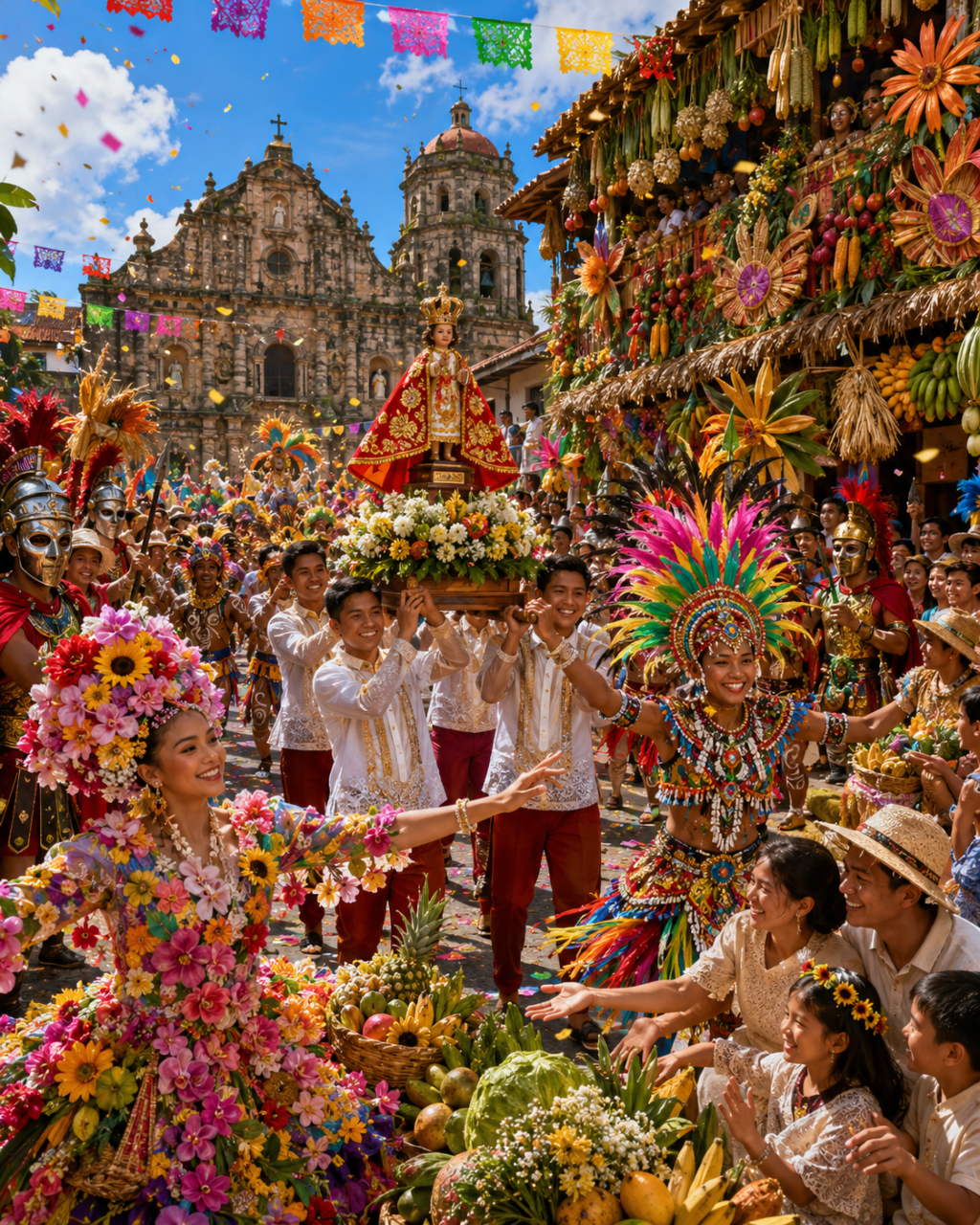
The Philippines is known for its rich festival culture, where celebrations serve as important reflections of history, spirituality, and community values. These events are held throughout the year and vary across regions, yet they all share a strong sense of identity and cultural pride.
Religious devotion is a major foundation of many Filipino festivals. The Sinulog Festival in Cebu honors the Santo Niño through dance rituals, processions, and street performances. Its signature movement, a two-step forward and one-step back pattern, symbolizes prayer and continuity. In Aklan, the Ati-Atihan Festival combines Catholic devotion with indigenous remembrance, as participants paint their faces and dance through the streets in celebration.
The Dinagyang Festival in Iloilo brings together faith and performance art. It is known for its highly choreographed dances, elaborate costumes, and dramatic storytelling. The festival has become a major cultural attraction due to its artistic sophistication.
Agricultural festivals highlight gratitude for nature’s blessings. The Pahiyas Festival in Lucban, Quezon, transforms homes into colorful displays of harvest produce. This tradition reflects the importance of farming in rural life. The Kadayawan Festival in Davao similarly celebrates abundance, honoring both natural resources and indigenous cultures.
The Panagbenga Festival in Baguio focuses on flowers and seasonal bloom. Its floral floats and street dances symbolize renewal and creativity, making it one of the most visually striking festivals in the country.
The MassKara Festival in Bacolod represents resilience and optimism. Created during a period of hardship, it uses smiling masks to symbolize hope and collective strength.
Filipino traditions also extend beyond festivals. Respect for elders, strong family bonds, and hospitality are central to daily life. Practices such as “pagmamano” and “bayanihan” reinforce social harmony and community cooperation.
These traditions and festivals continue to shape Filipino identity, connecting the past with the present through celebration and shared cultural expression.
You may also like
-
VRITIMES Exhibits at SUPPLYCON 2026 as Official Media Partner
-
Casino Plus, official presenter ng MassKara Festival 2026; Zeinab, Moonstar88, Baby Dolls, magpapasiklab sa 3-day concert
-
Gyukatsu BGC Brings Its Signature Japanese Beef Cutlet Experience to Park Triangle Mall
-
How an AI Communication Coach Helped a First-Generation Filipina Immigrant Find Her Voice
-
44th ASEAN Ministers on Energy Meeting (AMEM) and AEBF-26 Open in Manila, Marking New Milestones in ASEAN Energy Cooperation