 BRI BO Jatinegara Peringati Hari Kesaktian Pancasila dengan Khidmat dan Semangat Kebangsaan
  BRI Region 6 Gelar Upacara Kesaktian Pancasila, Perkuat Semangat Kebangsaan Insan BRI
  Peduli Kesehatan Lingkungan, PTPN Group melalui Unit Riset Sungei Putih PT RPN Berkolaborasi Lakukan Fogging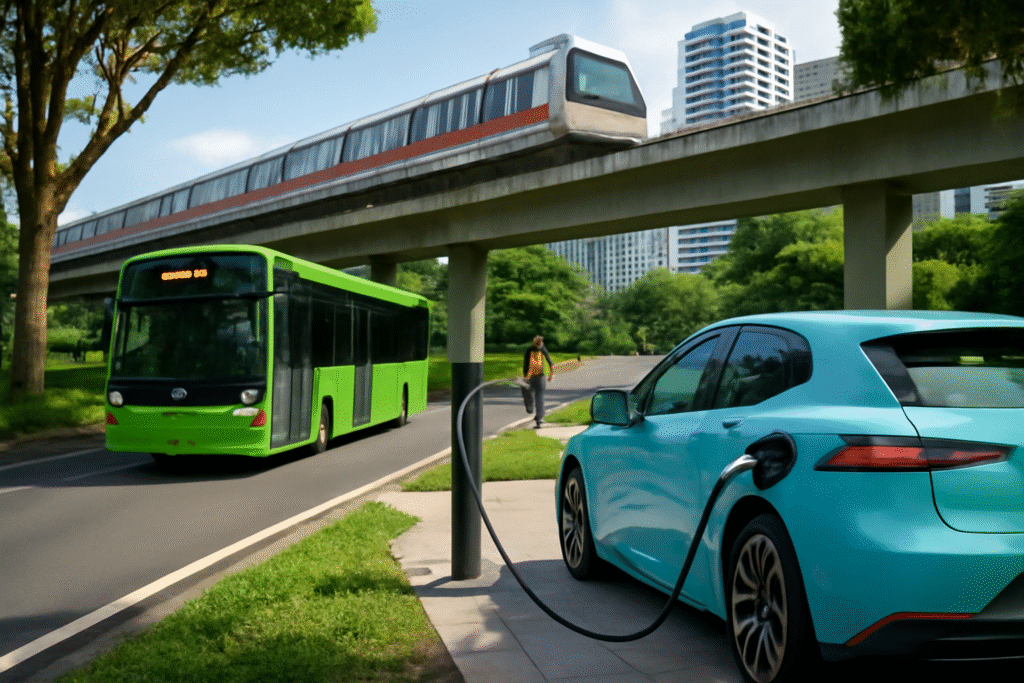
Singapore’s transportation infrastructure is a prime example of how urban centers can balance efficiency and environmental responsibility. With an innovative blend of public transport modes, the city-state’s system is both highly efficient and forward-thinking in its sustainability efforts. From the extensive MRT network to the integration of electric vehicles, Singapore has positioned itself as a global leader in sustainable urban mobility.
The MRT system is at the heart of Singapore’s public transportation. It serves millions of passengers daily, providing a fast, reliable, and affordable mode of travel. The MRT’s widespread network ensures that residents and visitors can easily navigate the city. The system is complemented by an extensive bus network, which connects areas not served by the train and ensures that commuters can transition seamlessly between modes of transport.
In terms of sustainability, Singapore has set ambitious goals. The government is actively promoting electric vehicles (EVs) as part of its vision for a greener future. By 2040, Singapore plans to phase out internal combustion engine vehicles, replacing them with electric alternatives. In support of this initiative, the government is expanding its EV charging infrastructure, providing subsidies, and incentivizing the purchase of EVs to encourage their widespread adoption.
The push for electric buses is another crucial component of Singapore’s sustainability strategy. These buses are expected to replace the existing diesel-powered fleet, significantly reducing air pollution and carbon emissions. By 2040, all public buses in Singapore are expected to be electric, contributing to cleaner air and a quieter environment.
The Electronic Road Pricing (ERP) system is another key feature of Singapore’s transportation system. This system charges motorists for using specific roads during peak periods, with fees varying depending on the time of day and traffic conditions. By adjusting charges dynamically, ERP helps alleviate congestion and promotes the use of public transportation. The system has been highly effective in managing traffic flow, especially in busy areas, and has helped reduce overall car usage in favor of more sustainable transport options.
In addition to these measures, the government encourages cycling and walking by developing dedicated cycling lanes and pedestrian-friendly streets. These initiatives not only promote sustainability but also improve the livability of the city, providing residents with healthier transportation options.
Overall, Singapore’s transportation system showcases a model of efficiency and sustainability. By investing in public transport, electric vehicles, and green infrastructure, Singapore continues to lead the way in creating a more sustainable and efficient urban environment.
You may also like
-
Astaka Launches SOL HealthTech Brand, Aiming To Capitalise On Growing Demand For Indoor Air Quality Solutions Across Asia
-
Three notes from Hangzhou: Sanct Social founder on how China backs its start-ups, one task per city, and a whole city out to see the moon
-
Sixteen companies, four ministries and agencies, two associations: inside the Indonesian delegation to Hangzhou’s Global Digital Trade Expo
-
Sanct Social joins Indonesian delegation to China’s Global Digital Trade Expo, explores the smart glasses and AI models already on sale there
-
YouHealth Singapore Highlights a Personalised TCM Approach to Sustainable Weight Management