 Bitcoin Belum Pulih, Rupiah Melemah dan Sentimen Global Bayangi Pasar
 Mulai November 2026, Athaya Perkuat Layanan Parcel Buah Same Day di Seluruh Wilayah Jakarta
 Hadiri Rakernas DEPRINDO, Siapkan Skema Pembiayaan Rumah bagi Kelas Menengah pada 2027
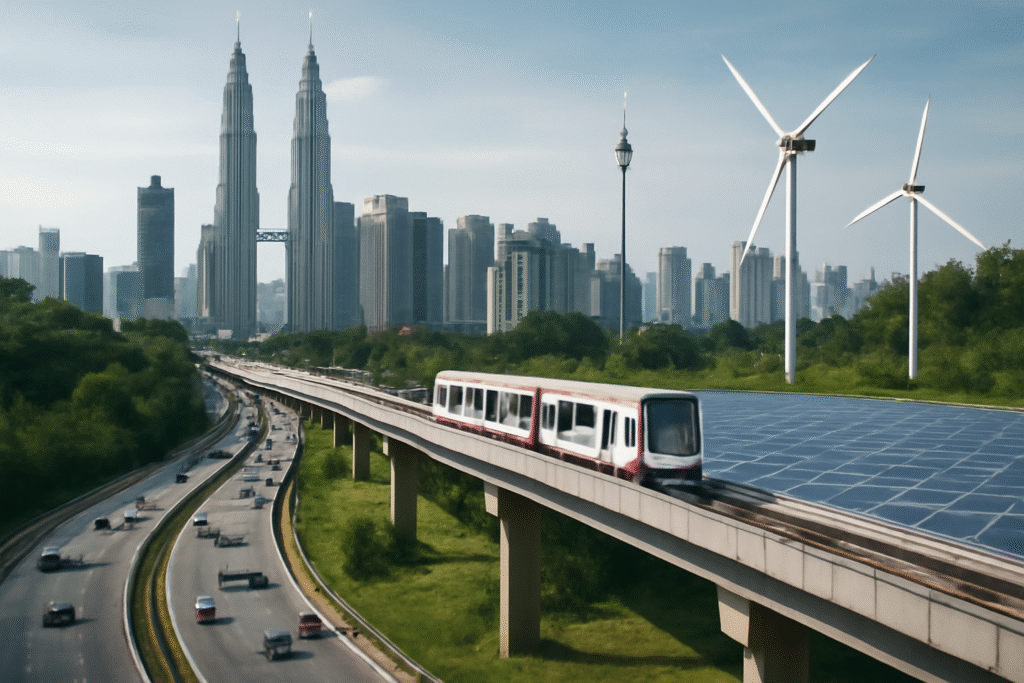
Malaysia’s infrastructure development has been a cornerstone of the nation’s growth strategy, linking diverse regions and promoting long-term sustainable development. The nation’s ambitious infrastructure projects are transforming the country into a more interconnected and competitive economy.
Improving Connectivity Across Regions
Malaysia’s geographical layout necessitates extensive infrastructure development to link its rural and urban areas. The government has heavily invested in road networks, notably the North-South Expressway and the East Coast Rail Link, to improve connectivity. These projects are designed to reduce travel times, facilitate the movement of goods, and create new economic opportunities for underdeveloped areas.
Beyond roads, Malaysia’s airports and seaports are essential for boosting the country’s role in global trade. Airports like KLIA and Penang International Airport play a key role in connecting Malaysia to the rest of the world, while ports such as Port Klang serve as vital trade hubs, further strengthening the country’s position as a regional logistics center.
Economic Growth Through Infrastructure Investment
Infrastructure investments have far-reaching impacts on Malaysia’s economy. The country’s enhanced transportation networks have made it easier for businesses to operate and expand, thereby increasing domestic and foreign investments. Major industrial centers like Selangor and Penang have thrived as a result of better connectivity, attracting both local and international firms.
The government’s focus on digital infrastructure is also laying the foundation for a thriving digital economy. The implementation of nationwide high-speed internet networks and the introduction of 5G technology are critical in ensuring that Malaysia can compete in the global digital landscape, especially in the fields of e-commerce, fintech, and digital services.
Sustainable Development: A Key Focus for the Future
As Malaysia continues to develop, sustainability has become a key concern in its infrastructure planning. The nation has committed to incorporating renewable energy solutions, environmentally-friendly construction practices, and efficient public transport systems to reduce its environmental impact. With the growth of green urban planning, Malaysia is preparing its infrastructure to support a sustainable and eco-conscious future.
You may also like
-
State of Scams Malaysia 2026: New Report Sets Out 13 Recommendations to Strengthen Collective Action Against Scams
-
PMG Healthcare Appoints Dato’ Jalaluddin Hassan As Official Ambassador For Integrated Primary Healthcare, Strengthening Its Commitment To Accessible Healthcare For All
-
Vince Properties Secures RM514 Million GDV Project
-
Malaysia Records 186,318 Unsold New-Launch Valued at Over RM105 Billion since 2020
-
PMG Healthcare Rebrands AM PM Pharmacy and Siang Pharmacy Outlets to Expand Unified Primary Healthcare Network Across Malaysia