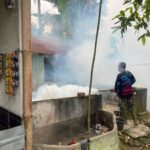
 Peduli Kesehatan Lingkungan, PTPN Group melalui Unit Riset Sungei Putih PT RPN Berkolaborasi Lakukan Fogging
  Tips Traktir Teman ketika Ulang Tahun agar Tidak Boncos
  Mengatur Keuangan Saat Punya Cicilan agar Tetap Terkendali
Few places illustrate engineered water security as vividly as Singapore. With small catchments and no large rivers, the city-state assembles reliability by combining infrastructure, operations, and behavior into a single system. The portfolio includes stormwater harvesting across an extensive urban catchment, reservoirs engineered for rapid level changes, high-grade recycled water that feeds industry and augments supplies, and desalination that is independent of weather. Each source compensates for another’s weakness, creating resilience through diversification.
Recycled water anchors the industrial strategy. Factories that need ultra-clean supplies are routed to higher-specification recycled streams, relieving pressure on potable networks. This targeted allocation treats water quality as a ladder, matching purity to purpose and squeezing more value from each liter. To preserve capacity, leakage control, metering, and tiered pricing nudge both households and firms toward conservation without undermining essential use.
Desalination adds security but not for free. It is energy-intensive, sensitive to intake water quality, and demands robust membranes and pre-treatment. That cost has shaped energy planning and spurred efficiency upgrades in plants and distribution. Co-location with power and industrial estates can reuse waste heat or share intake/outfall infrastructure, trimming footprint in a land-scarce setting. Operationally, desalination is treated as a strategic reserve—ramped up during dry spells and dialed back when rain refills reservoirs.
Catchment management turns the entire city into a sponge. Canals, detention basins, and park-integrated wetlands slow and clean runoff before it enters reservoirs. This blue-green approach doubles as public space during fair weather, providing recreation while enhancing water quality. Real-time monitoring, weather radar, and predictive models allow operators to shift flows, time releases, and maintain safety margins ahead of storms.
Communication is the quiet technology. Public campaigns that normalize recycled water, transparent reporting of storage levels, and school programs that explain the science create social buy-in for an engineered hydrological cycle. In a place where every drop is planned, trust is a resource as important as the pipes and pumps. The result is not self-sufficiency—imports and trade still matter—but a weather-resilient system that can ride out dry months without panic.
You may also like
-
Astaka Launches SOL HealthTech Brand, Aiming To Capitalise On Growing Demand For Indoor Air Quality Solutions Across Asia
-
Three notes from Hangzhou: Sanct Social founder on how China backs its start-ups, one task per city, and a whole city out to see the moon
-
Sixteen companies, four ministries and agencies, two associations: inside the Indonesian delegation to Hangzhou’s Global Digital Trade Expo
-
Sanct Social joins Indonesian delegation to China’s Global Digital Trade Expo, explores the smart glasses and AI models already on sale there
-
YouHealth Singapore Highlights a Personalised TCM Approach to Sustainable Weight Management