 5 Ide Oleh-Oleh dari Jakarta yang Bisa Jadi Buah Tangan
  Case Valker Luggage Gains Momentum Among Malaysian Travelers with Durable, TSA-Approved Designs
  Carziqo Launches ER-BX Autonomous Ride-Hailing Operations in San Francisco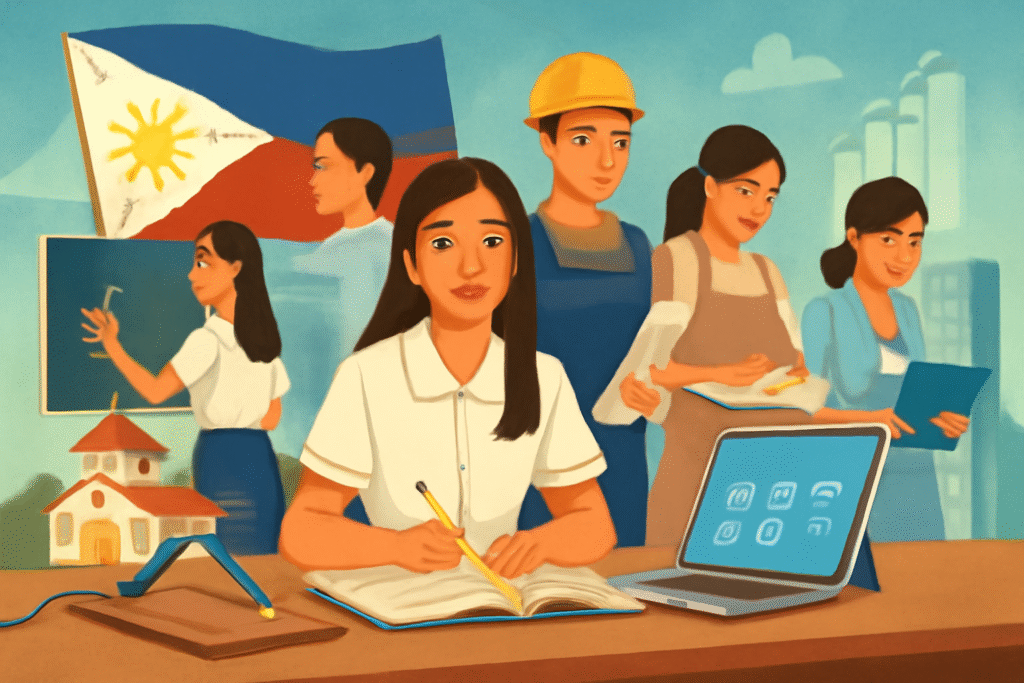
In the Philippines, education is seen as a crucial tool for unlocking the potential of future generations. With global competition growing ever fiercer, the country has focused its efforts on transforming its education system to ensure that students are prepared to face both local and international challenges. As a result, educational reforms have sought to equip students with the skills necessary to thrive in an interconnected world.
One of the most transformative steps in recent years has been the introduction of the K-12 education system. This reform extended the basic education cycle from 10 to 12 years, with the goal of providing students with a more comprehensive learning experience. The inclusion of senior high school is especially significant, as it offers students the chance to focus on specialized tracks in fields such as science, technology, and business, or to explore technical and vocational pathways.
The K-12 curriculum is designed to provide students with a diverse range of options, helping them to find their passions and better prepare for the demands of the labor market. For instance, the technical-vocational track prepares students with hands-on skills that are essential in industries like construction, automotive, and healthcare, while the academic track lays the foundation for higher education in fields such as engineering, business, and law.
Alongside these structural changes, technology has also become an integral part of the Philippine education system. Digital learning tools and online resources are now widely used in classrooms, providing students with the opportunity to develop essential 21st-century skills such as digital literacy, communication, and problem-solving. As technology continues to shape the workplace, these skills are becoming increasingly valuable to employers across various industries.
However, challenges persist, especially in rural areas where access to quality education is often limited. In many of these regions, schools lack basic infrastructure, and students may not have access to the same opportunities as their counterparts in urban centers. To address these disparities, the government has been working to improve infrastructure, enhance teacher training, and provide scholarships to ensure that every Filipino child has access to a quality education.
As the Philippine education system continues to evolve, it remains focused on fostering a generation of learners who are well-prepared to meet the demands of a rapidly changing world. By equipping students with both academic and vocational skills, the Philippines is building a competitive workforce capable of leading the country into a prosperous future.
You may also like
-
Carziqo Launches ER-BX Autonomous Ride-Hailing Operations in San Francisco
-
Trans-Asiatic Trading Expands Distribution of Gerflor Streamo Marine Vinyl Flooring to Key Philippine Shipyards
-
‘Dragon King’ scores ₱122.4-M win in Casino Plus, says historic jackpot ‘felt like a dream’
-
VRITIMES Covers LogiSYM Philippines 2026, Alongside Transport & Logistics Philippines 2026
-
TPSW 2026 Photo Contest Invites Photographers to Spotlight Volunteerism Across Asia