 5 Ide Oleh-Oleh dari Jakarta yang Bisa Jadi Buah Tangan
  Case Valker Luggage Gains Momentum Among Malaysian Travelers with Durable, TSA-Approved Designs
  Carziqo Launches ER-BX Autonomous Ride-Hailing Operations in San Francisco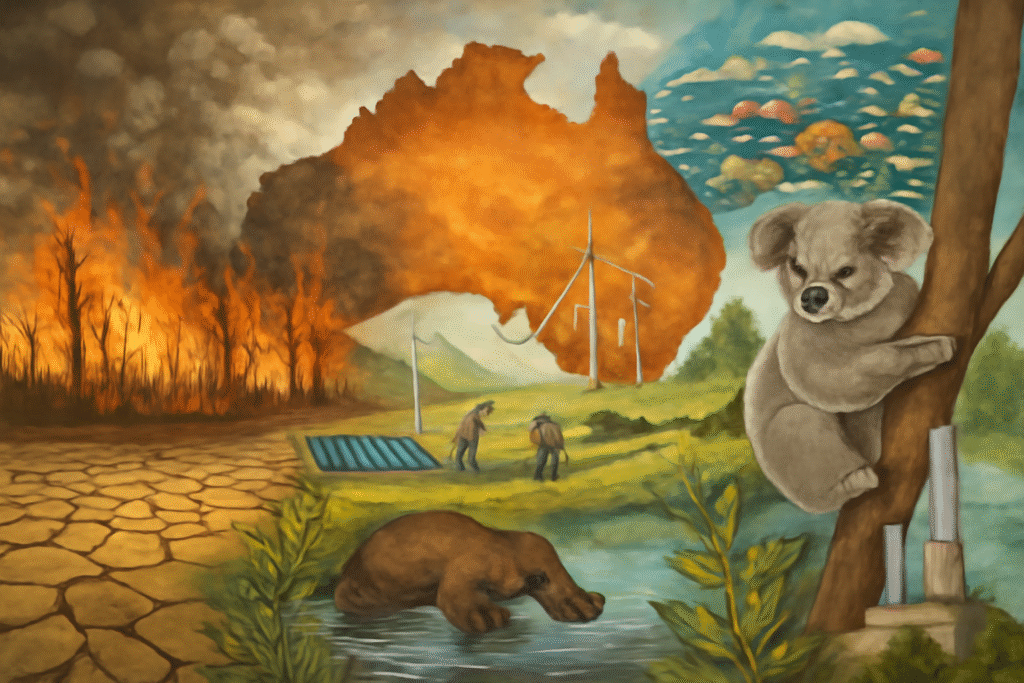
Australia’s environmental landscape is increasingly shaped by the effects of climate change, with dramatic shifts in weather patterns and ecosystem health becoming more evident across the nation. From the scorching heat of the outback to the coastal ecosystems threatened by rising sea levels, the impact of climate change is undeniable. As a result, environmental conservation efforts in Australia have become more critical, requiring urgent and sustained action to address these interconnected challenges.
A prominent example of climate change’s impact in Australia is the rise in extreme weather events, particularly bushfires. Australia’s already fire-prone landscape has seen an alarming increase in the frequency and severity of bushfires, particularly in the summer months. The 2019–2020 bushfire season, known as “Black Summer,” was one of the worst on record, with fires raging across vast areas, destroying homes, crops, and habitats, and claiming the lives of millions of animals. These fires, exacerbated by the hotter, drier conditions brought on by climate change, highlight the growing vulnerability of Australia’s environment to natural disasters.
The country is also grappling with severe droughts, which are affecting water resources across Australia. Many regions, especially those that depend on agriculture, are experiencing reduced rainfall, leading to critical water shortages. Agriculture, a key pillar of the Australian economy, is severely impacted by these conditions. Farmers face diminishing water availability for irrigation, which has led to a decline in crop yields, threatening food security and economic stability. Additionally, soil degradation, coupled with rising temperatures, is making farming even more difficult.
The Great Barrier Reef, a globally significant natural wonder, is one of the most affected ecosystems in Australia. Coral bleaching, a direct result of warmer ocean temperatures, has devastated large sections of the reef. Coral reefs, which are highly sensitive to temperature changes, are dying off at alarming rates, with significant consequences for marine life and industries like tourism and fishing that rely on the reef’s health.
To address these growing challenges, Australia has adopted various conservation and climate action strategies. The government has committed to international climate accords, including the Paris Agreement, aiming to reduce greenhouse gas emissions and limit global warming. Efforts to transition from fossil fuels to renewable energy sources, such as wind and solar, are crucial in mitigating the long-term effects of climate change.
In addition to policy and technological solutions, Australia is focusing on preserving its natural heritage through conservation initiatives. Efforts are underway to restore habitats damaged by human activity and climate change, including reforestation projects and marine protection efforts. These initiatives aim to protect Australia’s unique biodiversity, which includes species that are found nowhere else on Earth.
Indigenous fire management practices have also gained recognition as part of Australia’s conservation strategies. Traditional controlled burns, which have been used for thousands of years, help reduce the intensity of bushfires, protect wildlife, and maintain ecosystem balance. Integrating this traditional knowledge with modern scientific approaches has proven to be effective in mitigating the severity of wildfires.
Despite the growing challenges posed by climate change, Australia’s efforts in conservation and climate mitigation are critical in ensuring the protection of its environment and the sustainability of its economy. The country’s path forward will require collaboration between the government, industries, and local communities to foster a resilient and sustainable future.
You may also like
-
The Missing Breastfeeding Conversation: What Happens Six Months After Discharge?
-
The finishing touches on George Street’s transformation
-
Momcozy and Midwife Bianca Burge Call for Breastfeeding Support Built Around Real Life
-
UNSW Sydney launches first Enterprise Data Strategy
-
K-BEAUTY IS LANDING AT COLES AS SUPERMARKET SKINCARE GETS A GLOW-UP