 5 Ide Oleh-Oleh dari Jakarta yang Bisa Jadi Buah Tangan
  Case Valker Luggage Gains Momentum Among Malaysian Travelers with Durable, TSA-Approved Designs
  Carziqo Launches ER-BX Autonomous Ride-Hailing Operations in San Francisco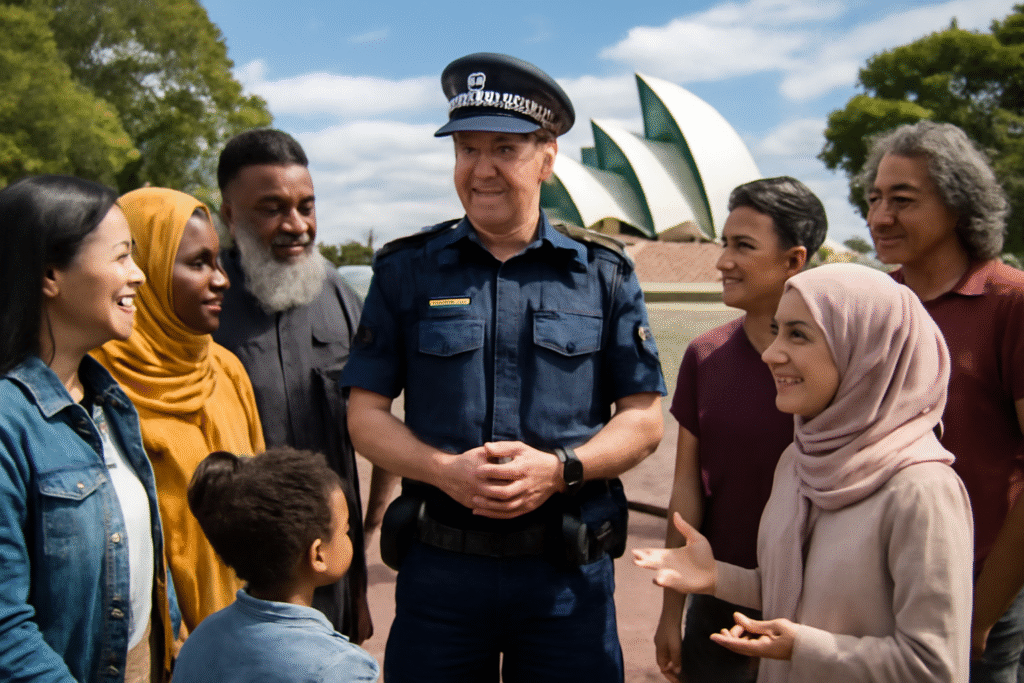
Australia is one of the most culturally diverse countries in the world, with a significant portion of its population hailing from overseas. This cultural richness has brought about both opportunities and challenges in maintaining peace and security. While diversity is a hallmark of Australian society, ensuring national safety in such a diverse context requires careful planning, policies that promote inclusion, and law enforcement efforts that foster cooperation and trust.
The government’s multicultural policies are at the core of Australia’s approach to security. By promoting immigration and multicultural integration, Australia ensures that people from various ethnic, cultural, and religious backgrounds can live together peacefully. These policies emphasize social cohesion, the importance of intercultural understanding, and the promotion of shared national values, which help to prevent segregation and build a more inclusive society.
However, the challenge of preventing extremism in a multicultural context is ever-present. Australia faces the threat of radicalization, which can arise when individuals feel excluded or marginalized. In response, the government has developed counter-terrorism strategies that include both preemptive measures, such as community outreach and de-radicalization programs, and reactive measures to address emerging threats. These initiatives aim to identify and intervene with at-risk individuals before extremist ideologies take hold.
An essential aspect of Australia’s security efforts is community policing, a strategy designed to build trust between law enforcement and the diverse communities they serve. Australian police forces receive training on cultural competency, allowing them to understand the nuances of different communities and engage in ways that reduce tension. Community policing fosters a cooperative relationship between law enforcement and citizens, making it easier for communities to report crimes and for police to prevent potential security threats.
Social equity plays a significant role in preventing unrest in multicultural societies. By addressing inequalities in housing, education, and employment, the Australian government helps to ensure that all individuals, regardless of their background, have the opportunity to succeed. These policies aim to reduce socio-economic disparities, which, if left unchecked, could lead to feelings of alienation and resentment among marginalized groups.
In addition to domestic efforts, Australia plays an active role in international security cooperation. By collaborating with international partners, Australia works to address global security threats, such as terrorism and cybercrime, that transcend national borders. This global cooperation ensures that Australia is prepared for emerging threats and that its national security strategies are aligned with international efforts to maintain peace and stability.
Australia’s approach to security is a balanced one, integrating cultural inclusion with effective law enforcement and social equity. This multi-layered strategy ensures that the country remains safe while also promoting the peaceful coexistence of its diverse population.
You may also like
-
The Missing Breastfeeding Conversation: What Happens Six Months After Discharge?
-
The finishing touches on George Street’s transformation
-
Momcozy and Midwife Bianca Burge Call for Breastfeeding Support Built Around Real Life
-
UNSW Sydney launches first Enterprise Data Strategy
-
K-BEAUTY IS LANDING AT COLES AS SUPERMARKET SKINCARE GETS A GLOW-UP