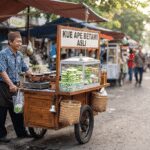
 5 Ide Oleh-Oleh dari Jakarta yang Bisa Jadi Buah Tangan
  Case Valker Luggage Gains Momentum Among Malaysian Travelers with Durable, TSA-Approved Designs
  Carziqo Launches ER-BX Autonomous Ride-Hailing Operations in San Francisco
Tourism has been one of Malaysia’s primary economic drivers for years, attracting millions of visitors annually. While the tourism sector has fueled the nation’s economic growth, it has also placed considerable pressure on its environment, communities, and infrastructure. In recent years, the Malaysian government has recognized the need to prioritize sustainable tourism practices that can maintain the country’s appeal while preserving its natural and cultural resources for future generations.
Malaysia’s commitment to sustainable tourism is reflected in its strategic plans and policies aimed at balancing the economic benefits of tourism with environmental preservation. The Malaysian Tourism Policy underscores the importance of sustainable practices in tourism development, calling for greater collaboration between the government, private sector, and local communities. The goal is to foster a tourism industry that is economically beneficial, socially equitable, and environmentally responsible.
A significant area of focus in Malaysia’s sustainable tourism efforts is eco-tourism. Malaysia’s diverse ecosystems, including tropical rainforests, wetlands, and coral reefs, make it an ideal destination for eco-conscious travelers. Eco-tourism initiatives in Malaysia emphasize the need to protect these natural resources while offering visitors the opportunity to explore them. Popular eco-tourism activities in Malaysia include jungle trekking, bird watching, and snorkeling, with many of these experiences taking place in national parks or marine protected areas.
Sustainable tourism also involves protecting and preserving Malaysia’s rich cultural heritage. Malaysia’s population is made up of various ethnic groups, each with its unique traditions, languages, and customs. Through sustainable tourism, these indigenous communities can share their cultures with tourists in ways that promote mutual respect and understanding. Community-based tourism projects, where local residents guide tourists through cultural and historical sites, not only help preserve cultural practices but also provide income and economic opportunities for the communities.
Another important aspect of sustainable tourism in Malaysia is promoting responsible consumption among tourists. Malaysia has launched various initiatives encouraging visitors to make environmentally conscious choices during their stay. These initiatives include promoting sustainable food choices, reducing plastic waste, and encouraging the use of public transportation to reduce carbon emissions. These efforts align with global movements to reduce the environmental impact of tourism.
The private sector is also playing an essential role in the development of sustainable tourism in Malaysia. Many hotels and resorts have adopted green certifications, indicating that they meet environmental standards in areas such as energy efficiency, water conservation, and waste management. In addition, tour operators are incorporating sustainability into their packages by focusing on off-the-beaten-path destinations, reducing the carbon footprint of tours, and supporting eco-friendly activities.
Despite the progress, Malaysia still faces challenges in achieving fully sustainable tourism. The growing popularity of certain tourist hotspots can lead to overcrowding, resulting in environmental damage and the displacement of local communities. To mitigate these issues, Malaysia has focused on promoting lesser-visited destinations and implementing strategies to manage tourist numbers in high-demand areas.
In conclusion, Malaysia’s sustainable tourism initiatives aim to create a tourism industry that benefits everyone: local communities, tourists, and the environment. By focusing on eco-tourism, cultural preservation, and responsible tourism practices, Malaysia is setting a precedent for how tourism can be a force for good.
You may also like
-
Case Valker Luggage Gains Momentum Among Malaysian Travelers with Durable, TSA-Approved Designs
-
Understanding Gold Purity: The Differences Between 999, 916, and 750 Gold
-
Greek Specialty Products in Malaysia: Showcasing Authentic Greek PDO and Traditional Products
-
TADs in Contemporary Orthodontics: Final Call for Registration
-
Gold Bars or Gold Dinar? Abdul Razak Gold House Breaks Down What Malaysian Investors Should Know